The Dealer: Barbara Gladstone
Authors: Tobias Czudej, Susan McDonough
16 April 2026
Gladstone, who died in 2024 at age of 89, was speaking from personal experience; She shepherded the careers and developed long-lasting relationships with an international roster of big-name artists including Matthew Barney, Shirin Neshat, Anish Kapoor, and Carroll Dunham. [2]
Gladstone was 40-years-old, a twice-divorced mother of three, when she opened a small Manhattan gallery in 1980. Previously, she had been teaching art history at Hofstra University and invested her limited funds in prints. “If you couldn’t have a Frank Stella painting,” Gladstone said, “you could have a Frank Stella print. Or you couldn’t have a Jasper Johns painting, you could have a print.” [3]
She sold the occasional print via an industry newsletter, but her curiosity longed for more. “At a certain moment I thought, ‘There have to be other artists, there just have to be,’” she said. She began looking into the unrepresented artists who would leave slides of their work at emerging nonprofits like Artists Space or the Drawing Center. Soon, she “started to have a works on paper gallery, which, I never thought beyond that because I didn't think of myself as being in business,” Gladstone said. “I just thought ‘This is what I can do.’” [Ibid.]
She opened a spot on East 57th Street in Manhattan with another gallerist, but the partnership dissolved within a year. Gladstone stepped out on her own, moving across town (though still on 57th street). “The gallery was the size of a shoebox and the rent was $700 a month. I never had a backer or borrowed money,” she said in 2011. “The real deal for me was to work with artists one-to-one. I believed that this was something I was meant to do—that there was a role to play in helping artists make decisions about their careers, something I enjoyed doing every day and still do.” [1] Among the artists she worked with in the ’80s were Jenny Holzer, Keith Haring, Robert Mapplethorpe, and George Condo.
“I think for me the most challenging time was the early years because I was making myself up as I went along,” Gladstone once said. “I was inventing myself in a way, I had no model, I had never worked in a gallery.” [3]
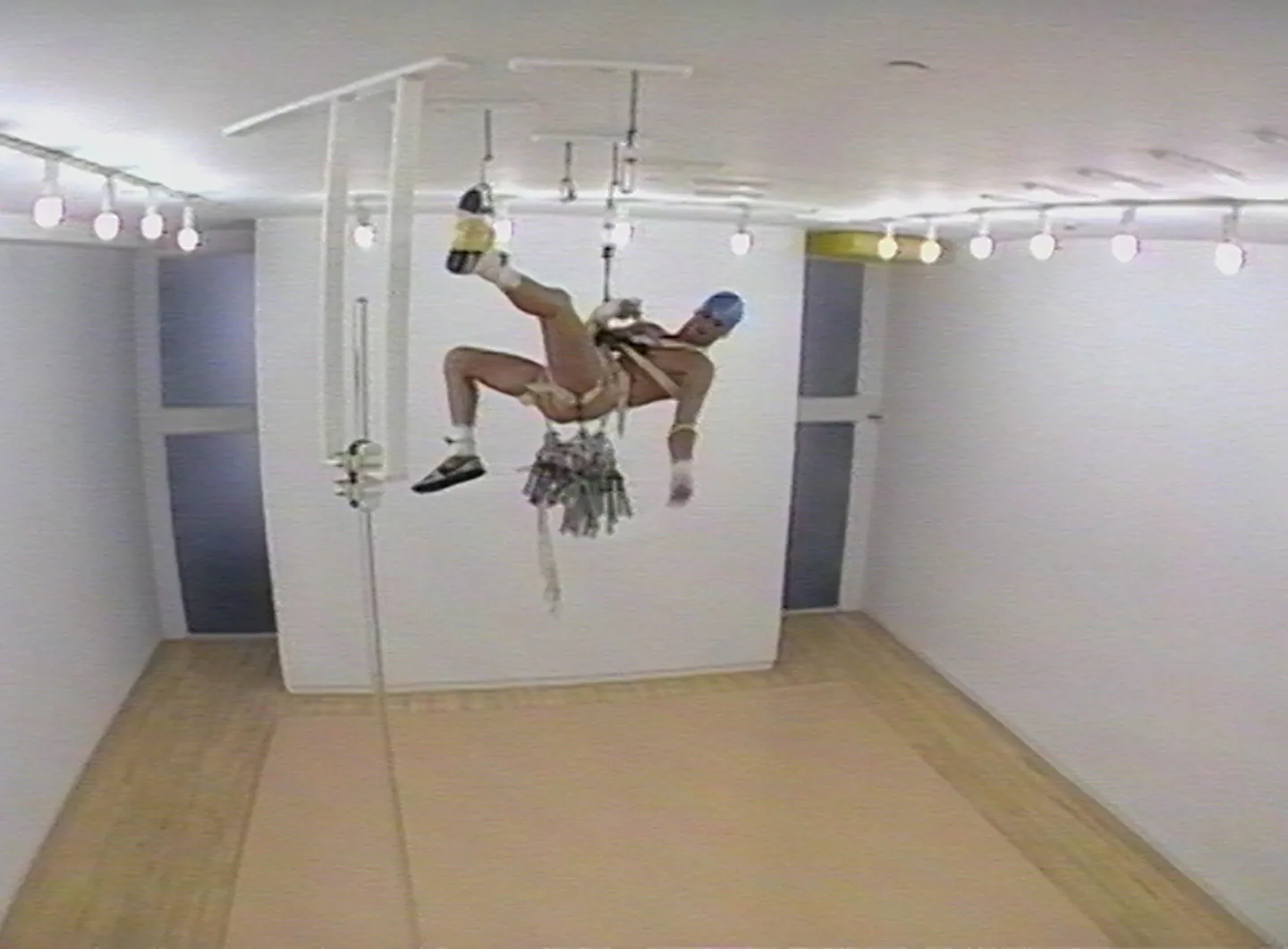
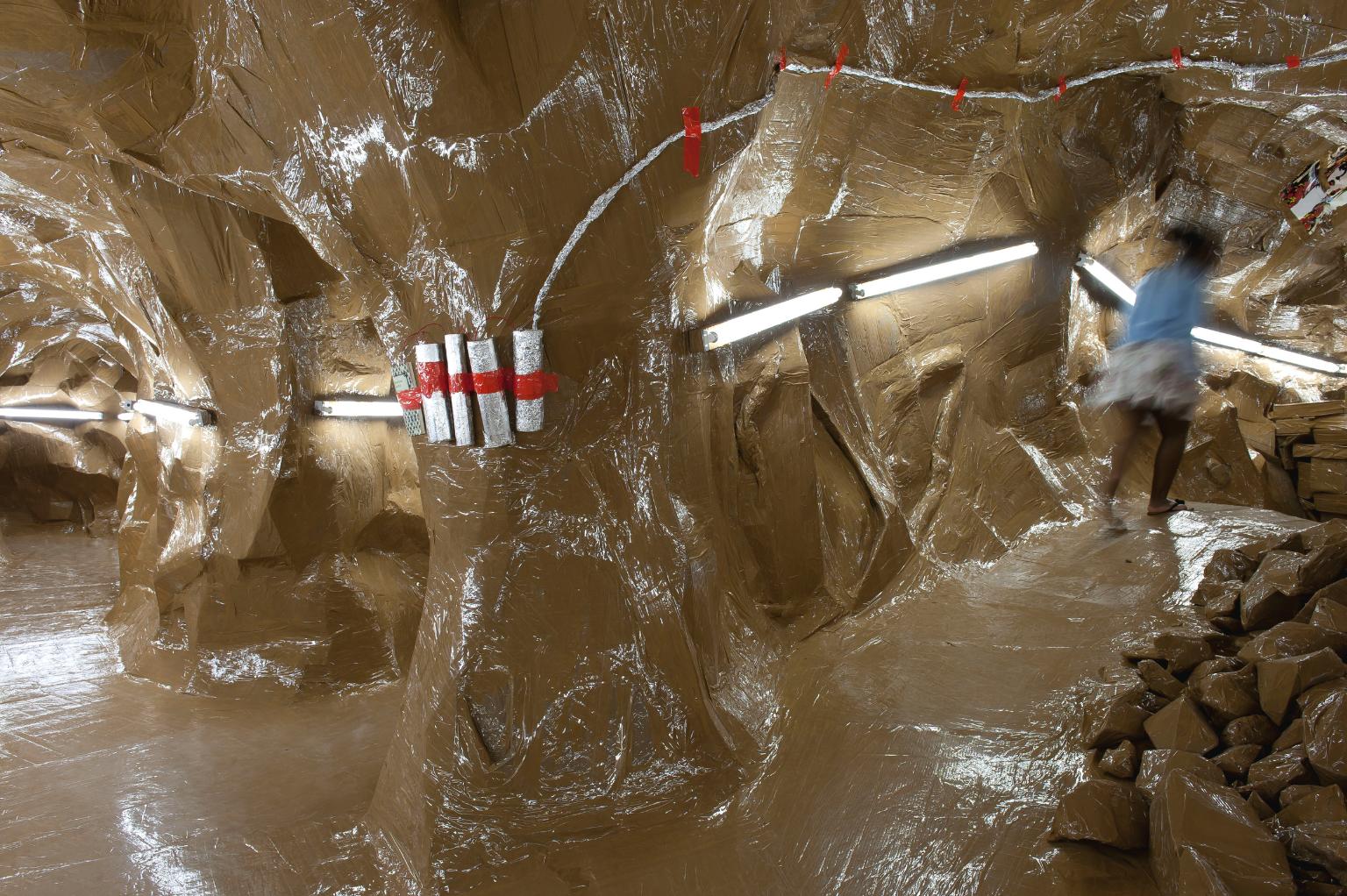
Gladstone Gallery later moved south to SoHo, on Greene Street, in the center of the neighborhood’s burgeoning art scene. In 1991, Gladstone hosted the New York debut of Matthew Barney, whom she described as a “wunderkind.” The young artist used ice screws and rope to crawl, naked, across the ceiling, asserting his art stardom along the way. Barney wasn’t the only artist to transform the space: In 2002, Thomas Hirschhorn transformed the space into a cardboard cave. Among the many other celebrated artists or estates represented by Gladstone at one point or another includes Banks Violette, Sarah Lucas, Philippe Parreno, Anicka Yi, Wangechi Mutu, Robert Mapplethorpe, Robert Rauschenberg, and more. [4]
Beyond that initial failed partnership, Gladstone was accustomed to collaborating with her peers. From 1989 to 1992, Gladstone and the Italian Arte Povera gallerist Christian Stein ran a new space called SteinGladstone. Gladstone resisted becoming a mega-gallery, preferring a slower approach, a strong code of ethics, and personal relationships. “In the art world, we do everything with a handshake. It’s the last bastion of old-fashioned values,” she said. “Someone can buy something for $3 million and not one piece of paper changes hands, no lawyer is involved. One’s word is one's bond.” [1]
In 1996, she was among the first gallerists to move to Chelsea, when she teamed up with Metro Pictures and the Matthew Marks Gallery to buy and divide a 29,000-square-foot warehouse on West 24th Street. “Personally, I want a different kind of space,” Gladstone told the New York Times that year. “I want to be able to drive a truck into a space.” [5]
In 2020, Gladstone Gallery merged with Gavin Brown’s Enterprise and made the titular founder a partner. 10 of Brown’s artists, including Joan Jonas, Alex Katz, Arthur Jafa, and Rirkrit Tiravanija, moved under the Gladstone umbrella. “She follows artists, is led by artists; she leads an artist-centered gallery,” Brown said. [6]
By the time of her death, Gladstone Gallery operated out of two cavernous locations in the city’s West Chelsea neighborhood and a townhouse on the Upper East Side. These locations remain, as do overseas outposts in Brussels and Seoul’s Gangnam district.
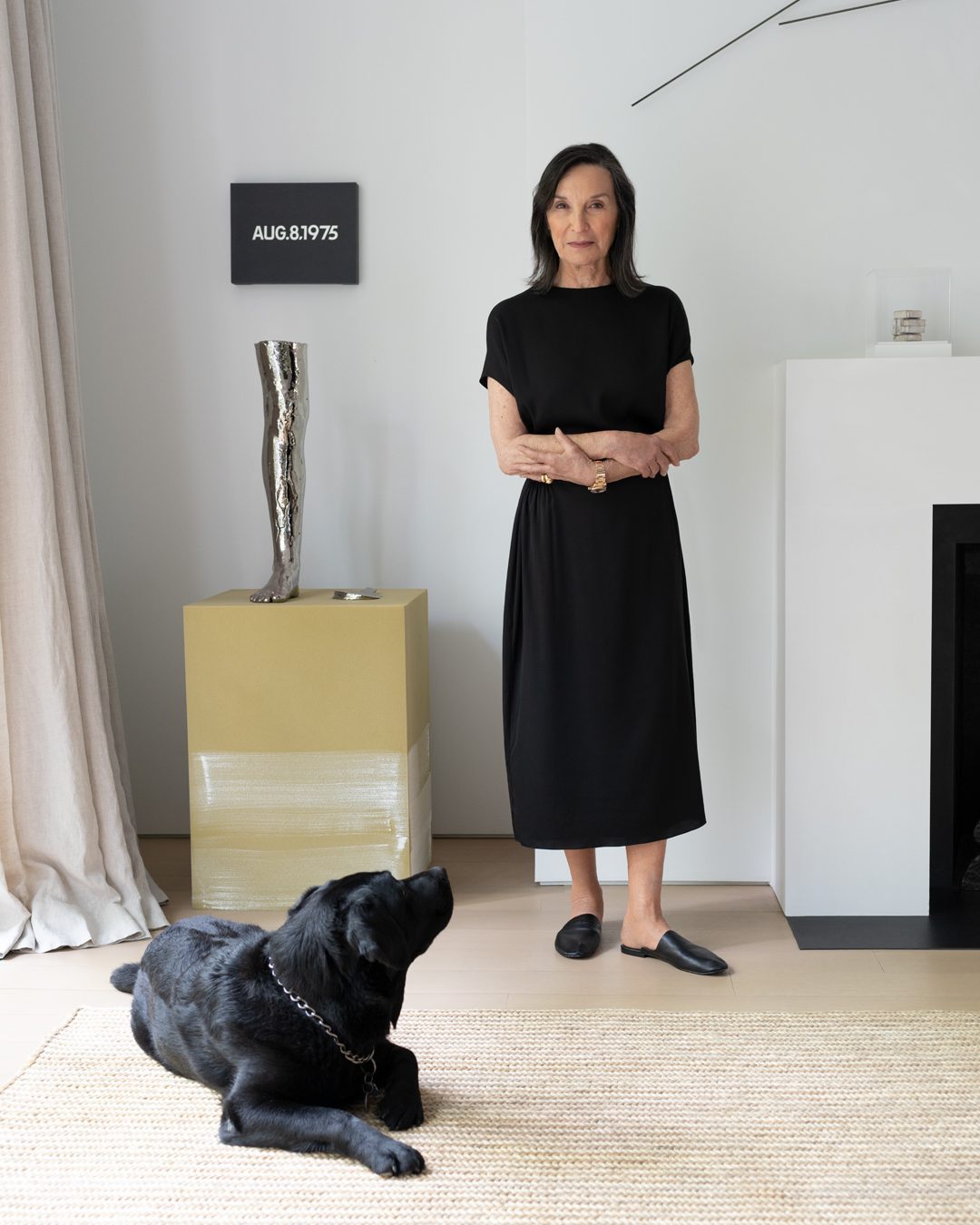
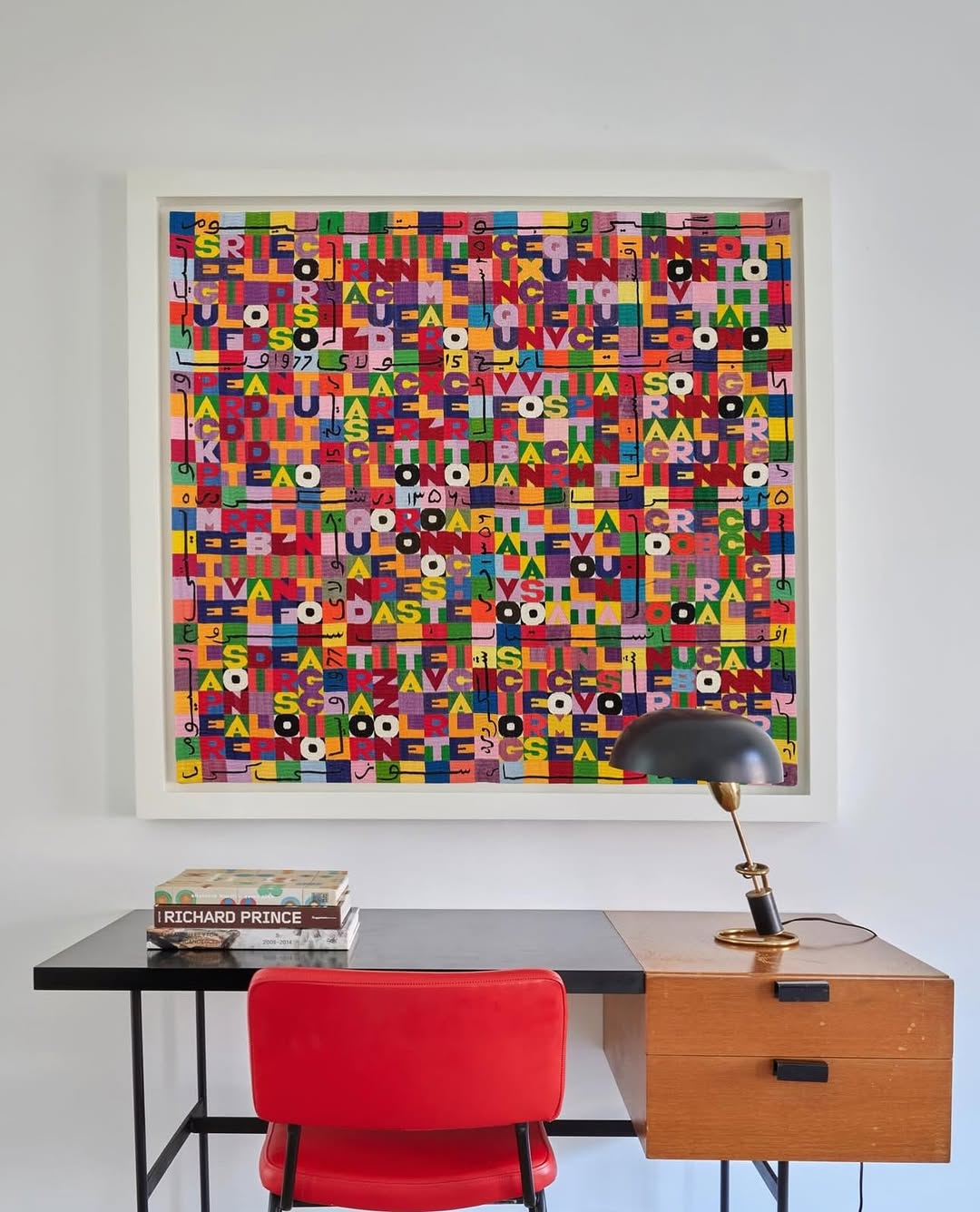
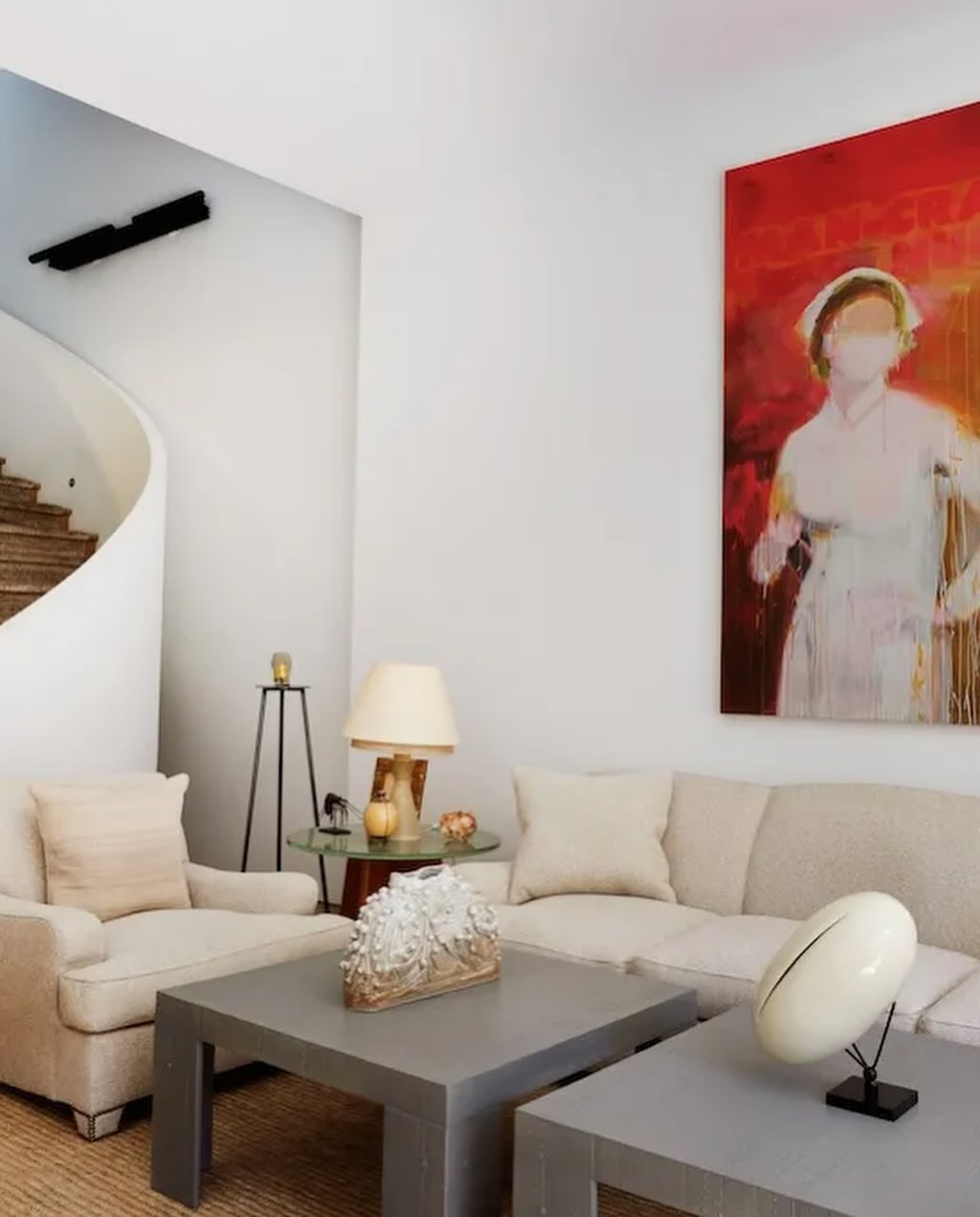
An auction of Gladstone’s private collection was held at Sotheby’s last Spring. The collection included two seminal paintings by Richard Prince, who Gladstone championed early in his career, including the monumental “Man Crazy Nurse” from the gallery's 2003 show of “Nurse Paintings.” [7]
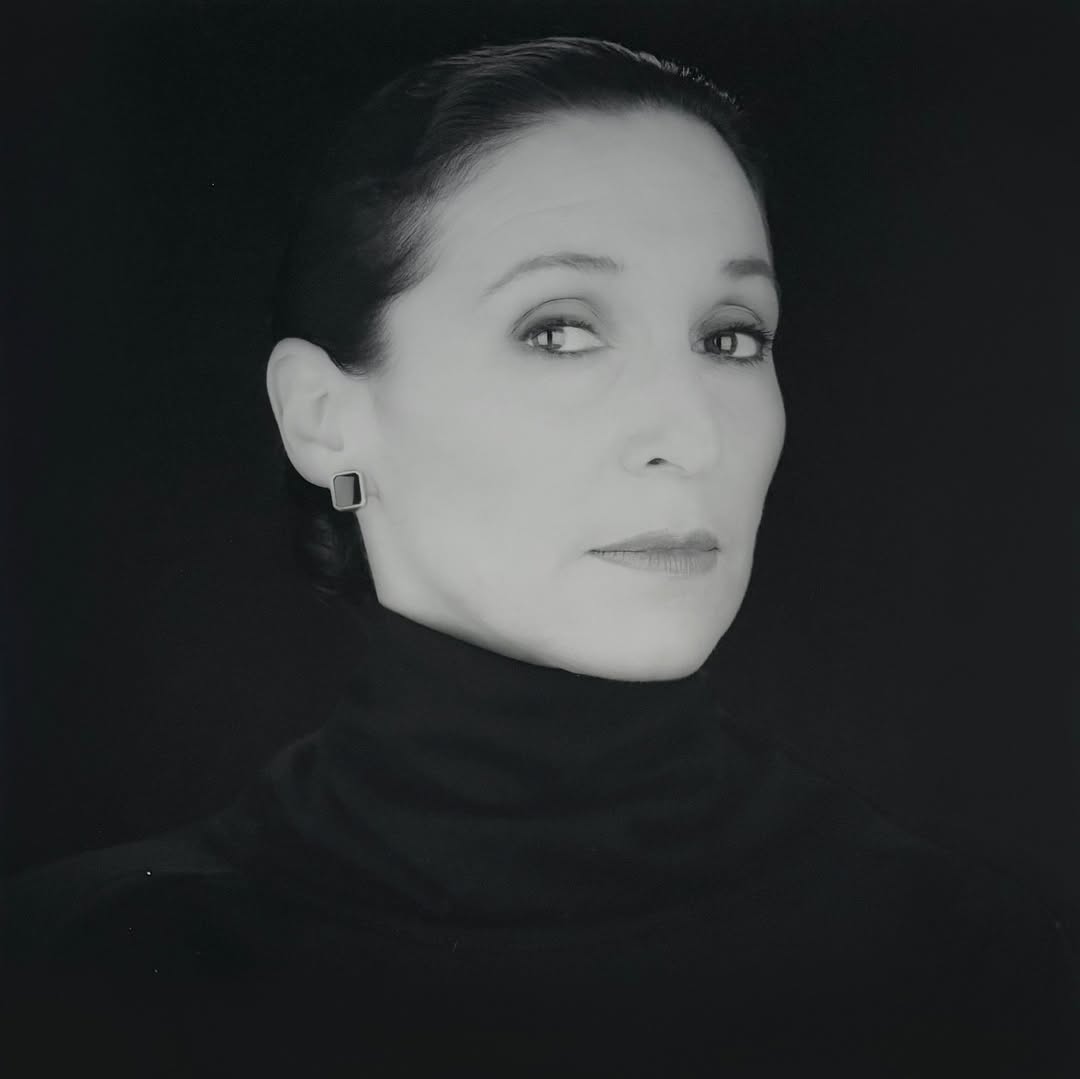
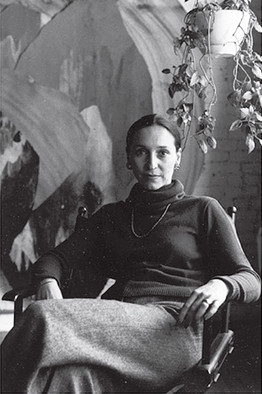
Image: Gladstone in 1979 just before she opened her gallery. Courtesy Gladstone Gallery, New York and Brussels
Authors: Tobias Czudej, Susan McDonough
16 April 2026
Czudej McDonough Mailing List
Close