The Collectors: Eugene and Barbara Schwartz
Author:
Tobias Czudej
Author: Tobias Czudej
13 May 2026
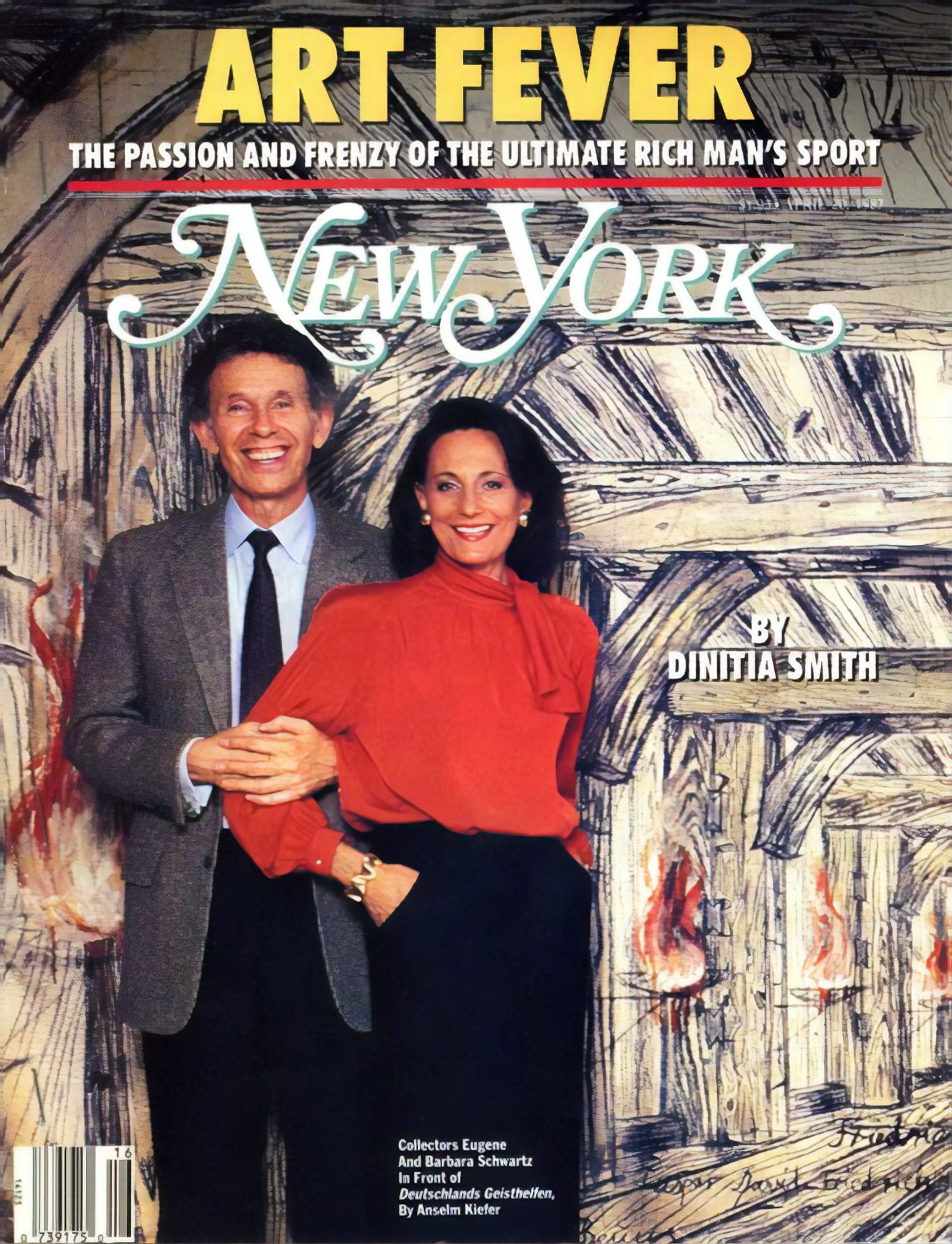
The couple became the literal faces of a booming art market when they appeared on the cover of New York magazine in April 1987. Headlined “Art Fever,” the couple posed, grinning, in front of Anselm Kiefer “Deutschlands Geisteshelden” (1973). They had rolled up the bottom of the canvas so it could fit in their apartment. [2]
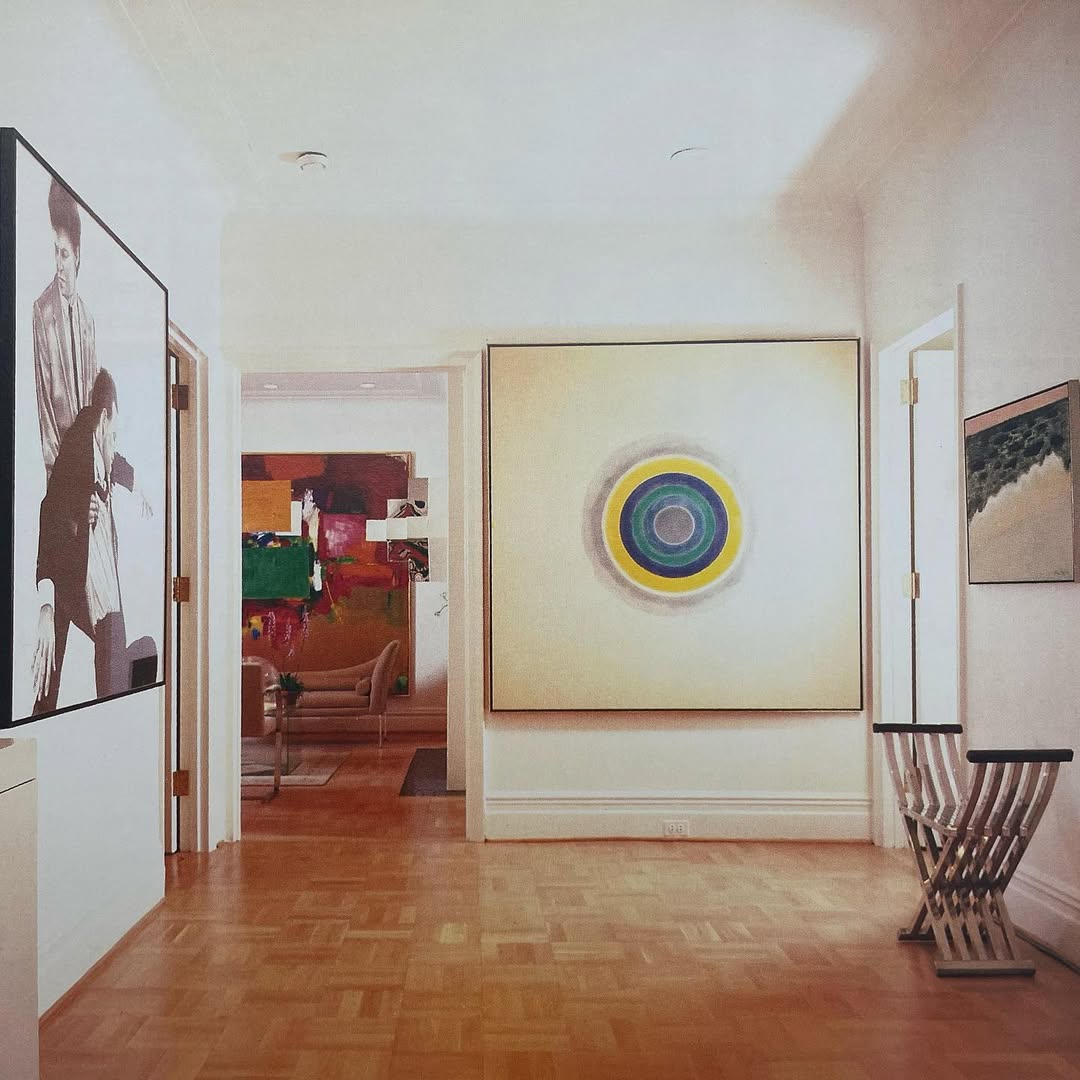
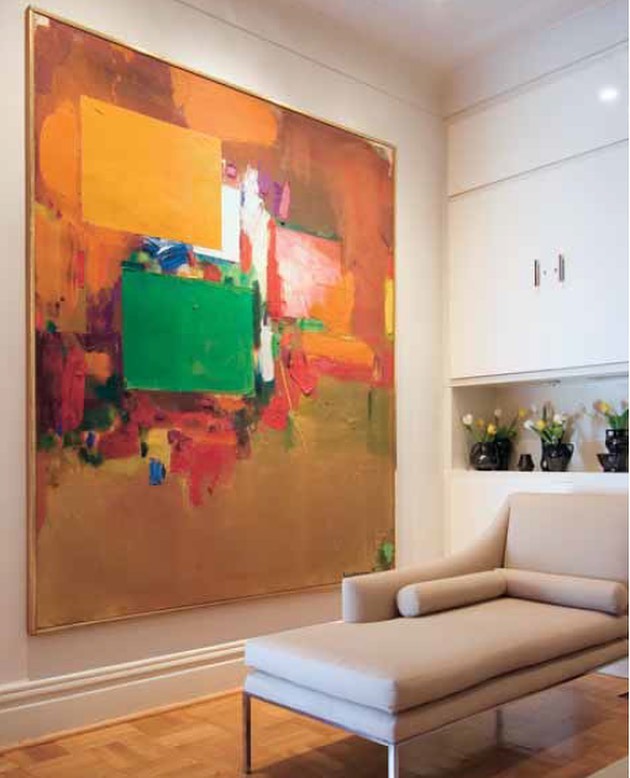
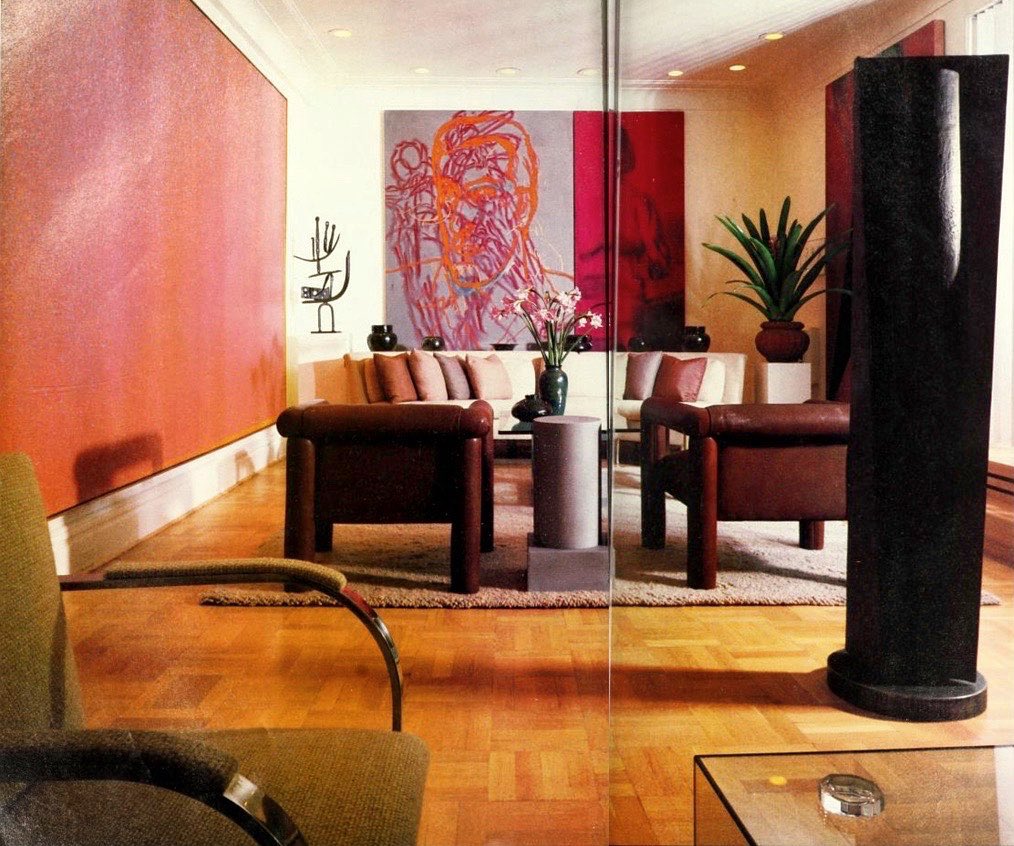
The rest of the couple’s collection was a carefully-considered assortment of color field painters, minimalists, and neo-expressionists. They also acquired a substantial collection of photographs by Gary Winogrand, Stephen Shore, Robert Frank, and others. According to the designer Eric Cohler, “in the beginning all they collected were visions for the future, but they had an enormous reserve of intellectual curiosity and a burning desire to build a great collection of contemporary American art.” [3]
In March 1970, Gene was invited to deliver a speech at the New York Cultural Center. His talk, entitled “Sound Off,” outlined “the basic rules, discoveries, and principles that enabled” the couple to build their collection. The Cultural Center later asked Gene to summarize his observations in printed form, resulting in a small booklet called “Confessions of a Poor Collector, How to build a worthwhile art collection with the least possible money.” [4]
“Starting to collect modern American art is really quite simple, and surprisingly inexpensive. You do not start by collecting a work of art. You start by collecting books on works of art.” He continued, “There is no need to read these catalogs ... although they are brilliant and informative if you wish to do so. The important thing, however, is to look at their photos.” The pamphlet continues by explaining how the newbie collector can break in with dealers and buy the best paintings (as well as pay the dealers, crucially). “Get there early. And when you think you see the right painting, and it is not sold, do not buy it—reserve it.…Now go out and study like mad.” [Ibid.]
“You protect yourself in the art market the same way you do in the stock market,” Eugene advised. “By developing an expertise.” The art world itself will offer suggestions on making informed purchases. “It is my theory that a computer could have bought better art in the past ten years than a great many collectors,” he said. “And that it could have made a fortune in art, based on one simple rule: See what the museums are showing and the critics are recommending, and buy any painting that comes up with three or more such references.” [Ibid.]
The couple were generous with their socially-commendable form of greed, generously donating hundreds of artworks to institutions across the country, including the Metropolitan Museum, the Museum of Modern Art, the Whitney Museum of American Art, and more. Both were members of acquisition committees at several major museums and encouraged institutions to purchase emerging artworks. They practiced what they preached, regularly parting with works to make way for newer pieces. [5]
“Once again, the only prize in the art game is art. The only thing important about art is art,” Eugene said. The collector has an opportunity to spend a lifetime “with some of the most beautiful and ennobling works of man. Works that cannot help but make you slightly more beautiful and perhaps even more noble yourself.” [4]
2
Smith, Dinitia. “Art Fever.” New York Magazine April 20 1987.
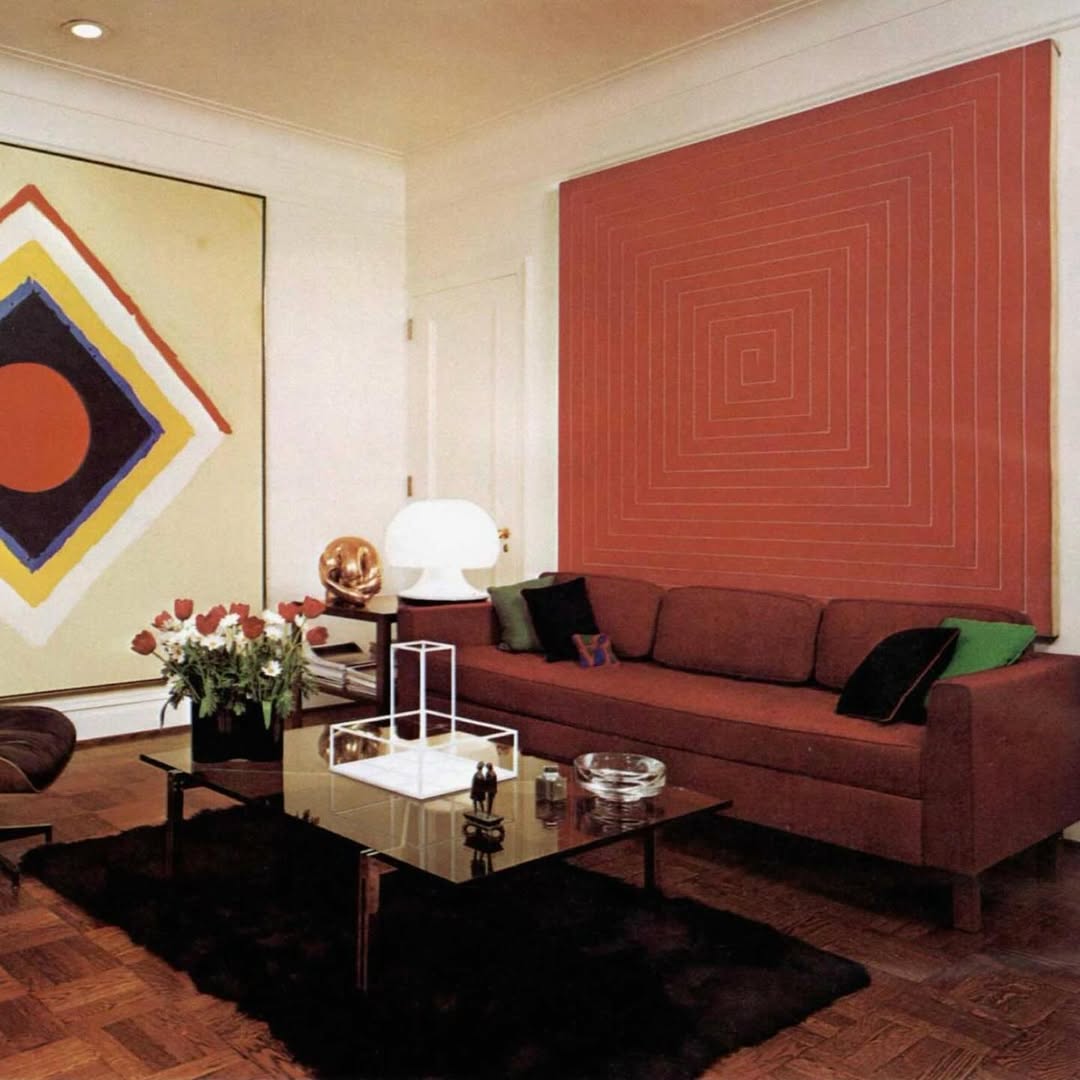
Image: Kenneth Noland, “Chalice” (1959); Frank Stella, “New Madrid” (1961); Sculptures by Sol LeWitt and Roger Prince are displayed atop a glass-and-steel table from the Pace Collection. Photo: Norman McGrath for Architectural Digest July/August 1975
Author: Tobias Czudej
13 May 2026
Czudej McDonough Mailing List
Close