The Collector: Gertrude Stein
Author:
Tobias Czudej
Author: Tobias Czudej
12 August 2026
Stein, the youngest of seven siblings, was born in Pennsylvania in 1874. Her childhood was spent in Vienna, Paris, and finally, California, where her businessman father worked in street cars, real estate, and the stock exchange. Stein’s eldest brother, Michael, became the head of the family upon the death of their father in 1891. [2, p. 13] Only two years apart in age, Gertrude was especially close with her brother, Leo, and the two were sent to live with family in Baltimore. It was there that they met Claribel and Etta Cone, sisters who became the Steins’ lifelong friends and whose own collection was stimulated by the Steins in Paris.
When Leo enrolled at Harvard in 1892, Stein followed, taking courses at the Harvard Annex, which later became Radcliffe. [Ibid, p. 18] He began taking long trips abroad, spending most of his time at museums. Leo liked Europe so much that he stayed, residing first in Florence, where he befriended art historian Bernard Berenson. In 1903, he settled in Paris, and Stein soon joined him at 27 rue de Fleurus, a two-story residence with an adjoining studio, on the Left Bank near the Luxembourg Gardens. [Ibid, p. 85]
Initially, Leo steered the course of the sibling’s collection. In Paris, he frequented galleries and the Paris Salon before finding that his sensibilities were better suited for the more adventurous Autumn Salon. At Berenson’s advice, Leo had gone to Ambroise Vollard’s gallery to take a look at Paul Cézanne’s paintings. [Ibid, p. 24] He purchased “La Conduite d'eau” (1879), and the following summer he discovered more Cézanne pieces in American collector Charles Loeser’s house in Florence, where he spent more time “than I did with the pictures in the Uffizi and the Pitti.” [Ibid, p. 52]
Upon receiving an unexpected windfall of 8,000 francs from their brother, Michael, the siblings “went at once to Vollard’s,” per a letter from Leo. “I selected two Gauguins, two Cézanne figure compositions, two Renoirs, and Vollard threw in a Maurice Denis, ‘Virgin and Child,’ for good measure.” [Ibid, p. 25] Soon after, Leo and Gertrude returned to Vollard’s and purchased “Madame Cézanne à l'éventail” (1878-88) for 8,000 francs. [Ibid, p. 26]. Never again would the siblings spend so much so fast on art. Vollard would often say approvingly that the Steins were his only clients who collected paintings “not because they were rich, but despite the fact that they weren’t.” [3]
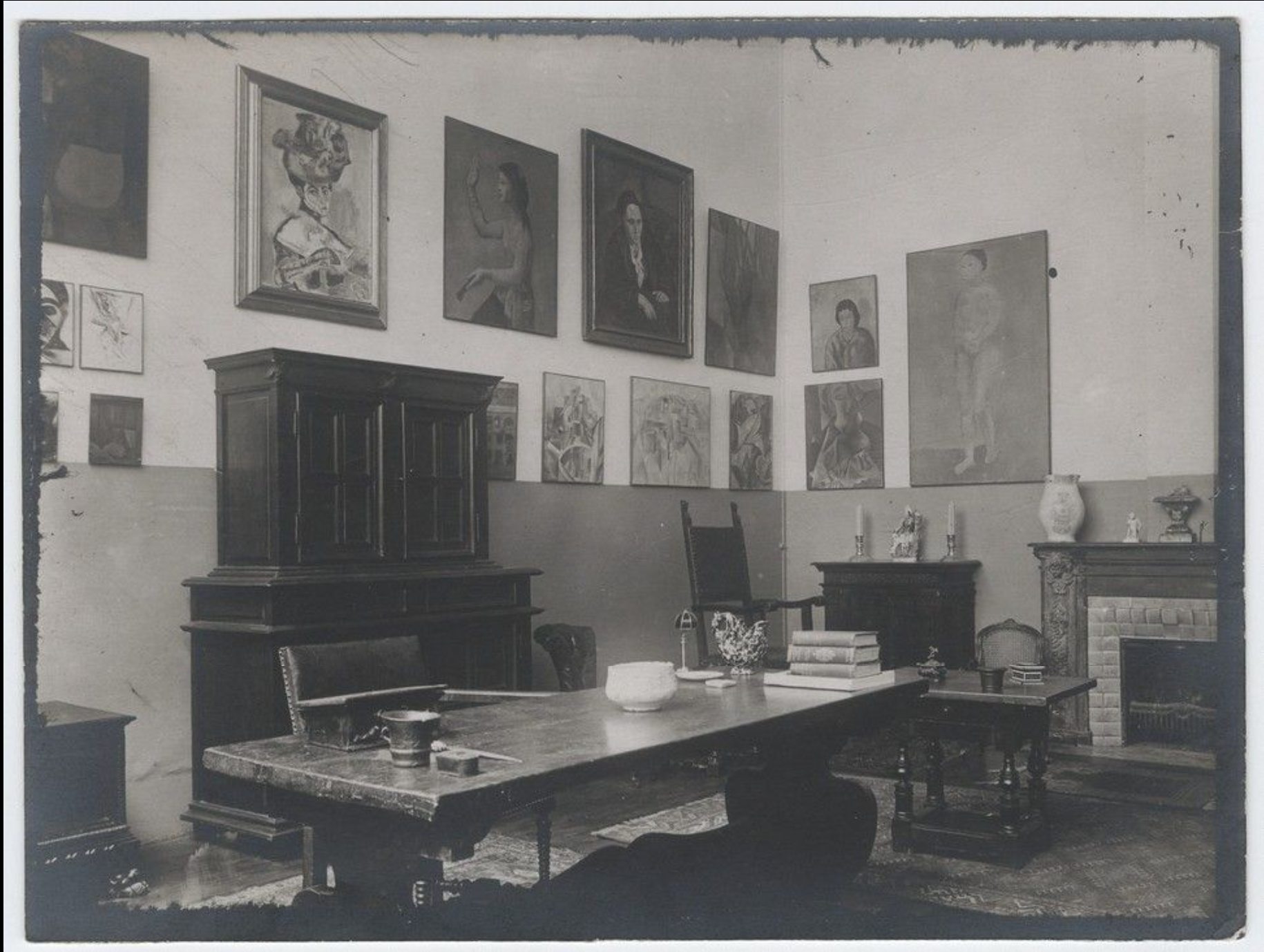
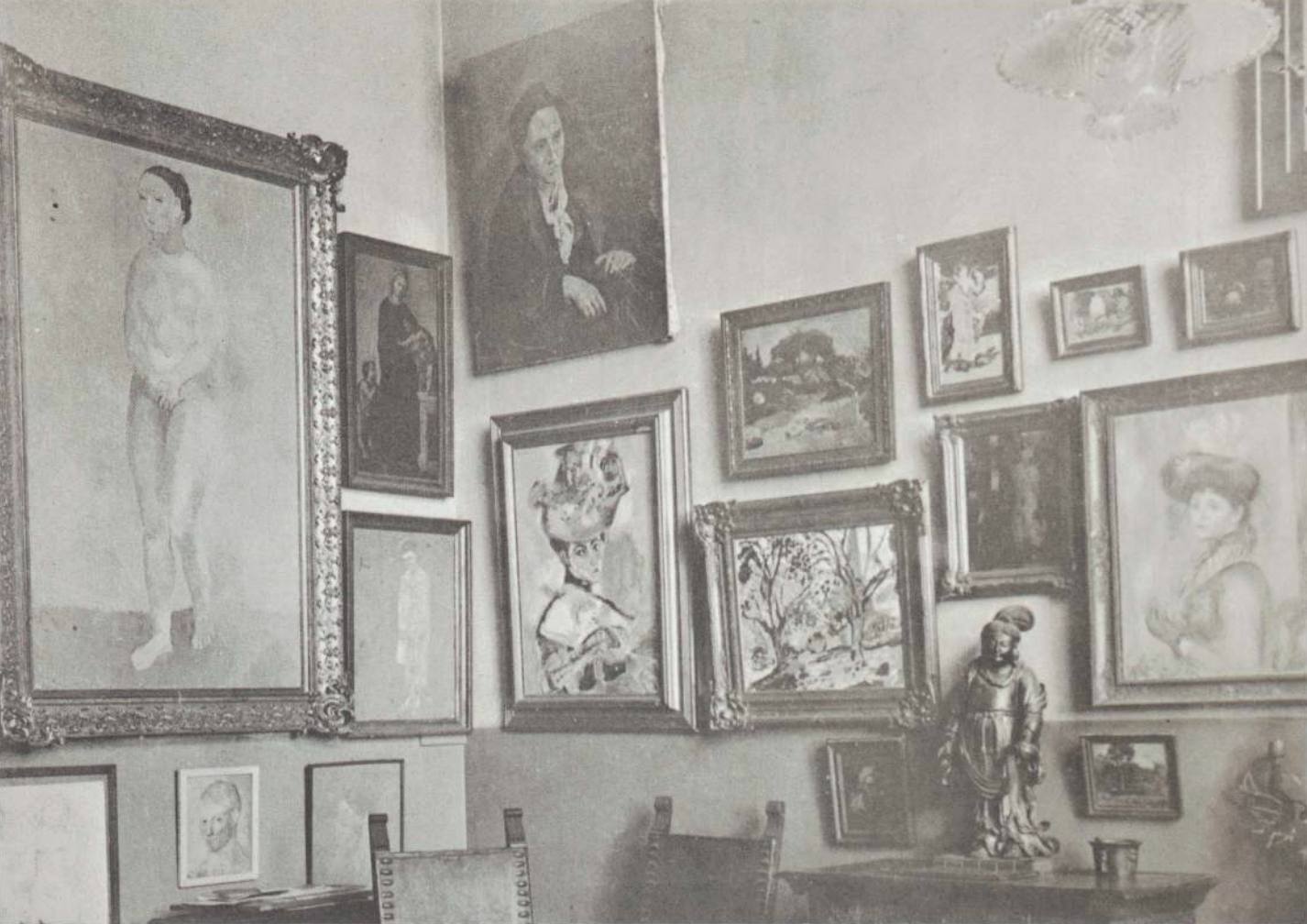
At the Salon d'Automne that opened on October 18, 1905, the Steins encountered Matisse’s masterpiece from the same year, “Femme au chapeau.” Initially, Leo called the colorful piece “a thing brilliant and powerful, but the nastiest smear of paint I had ever seen.” [2, p. 26] But the siblings repeatedly returned to the Grand Palais to consider the piece before eventually buying it for 500 francs, the equivalent then of about $100. [3]
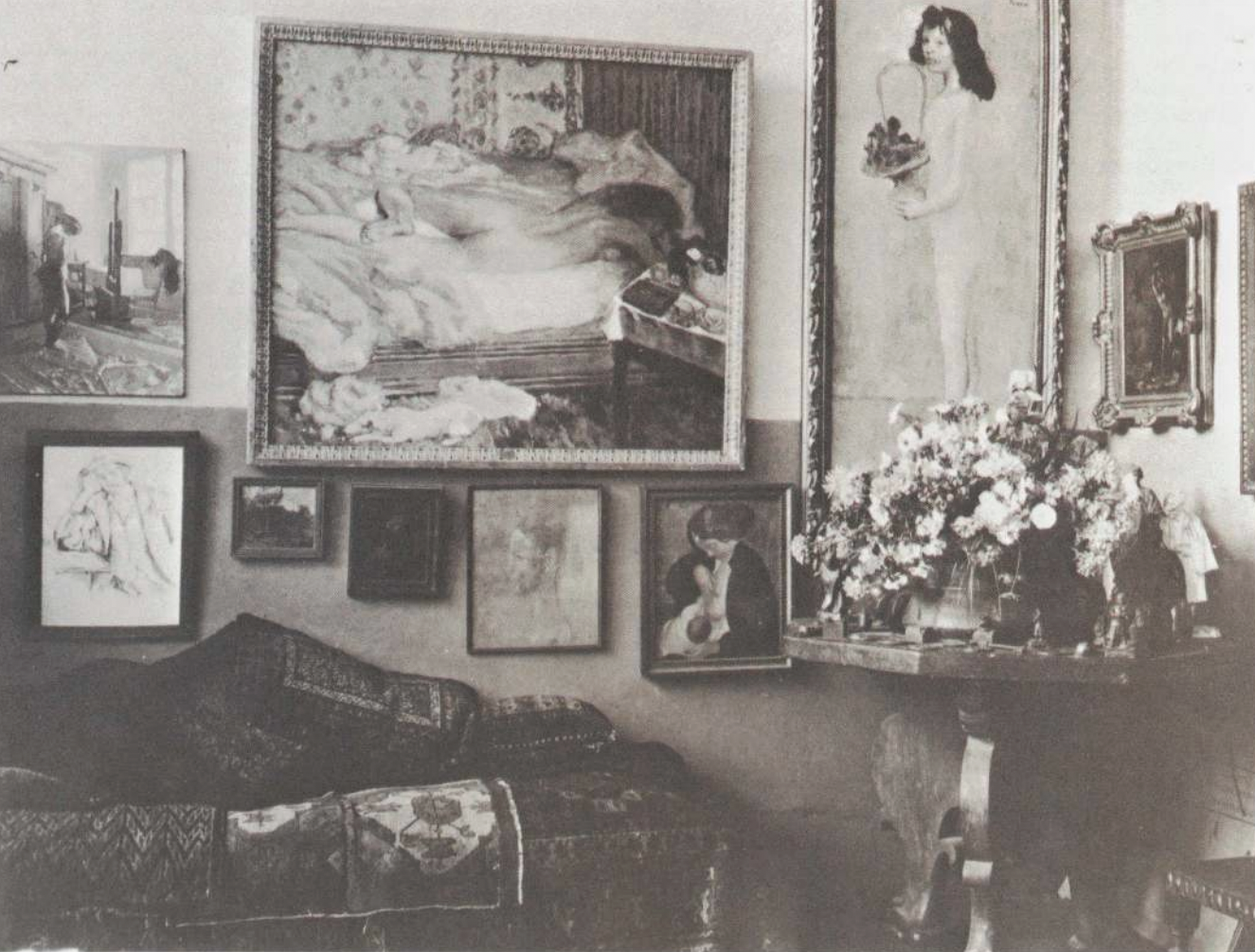
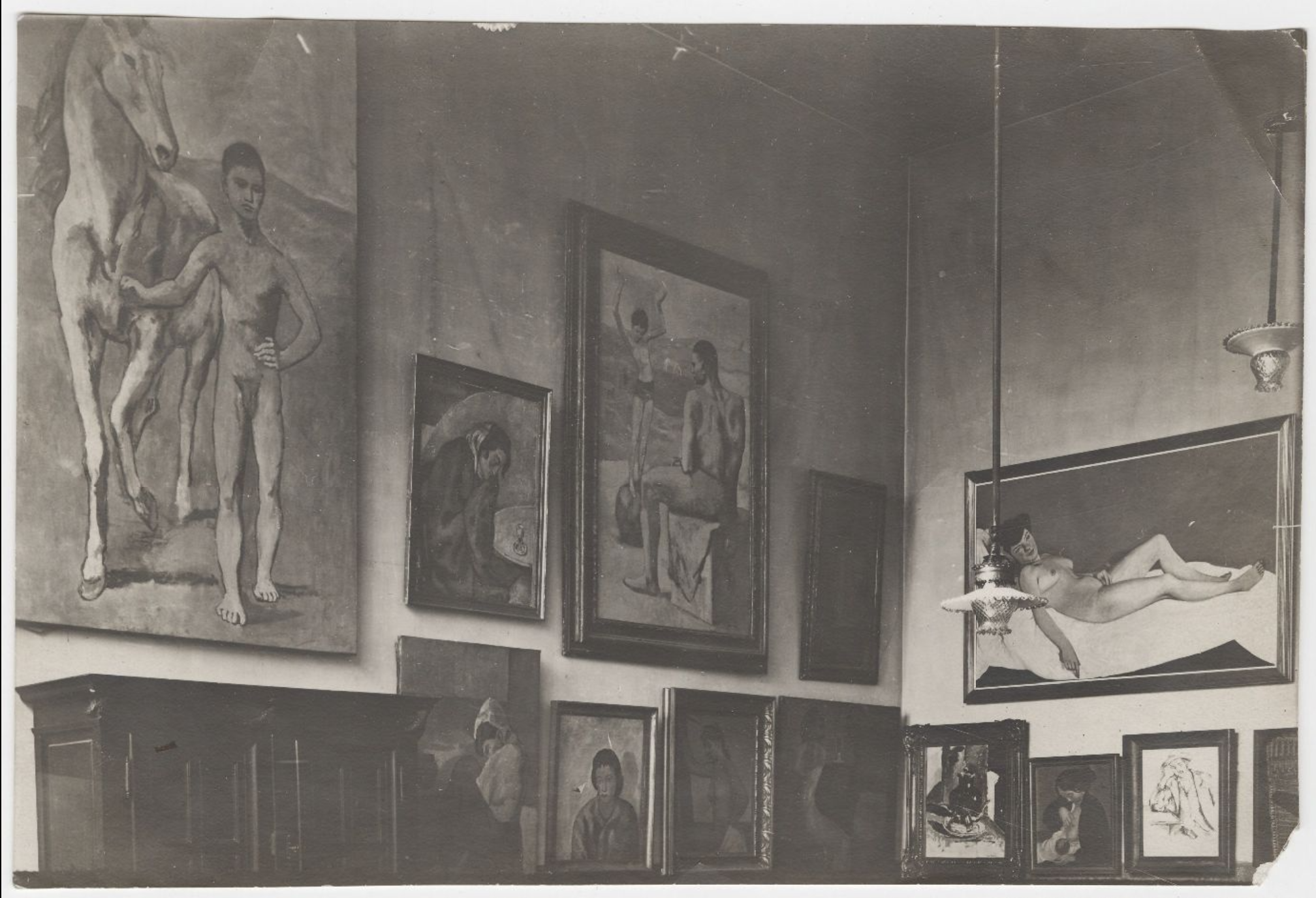
Weeks later, the Steins bought their first work by a young artist named Pablo Picasso at the urging of dealer Clovis Sagot, a large Rose Period gouache called “Famille d'acrobates avec singe.” Soon after, through a friend, Leo visited Picasso’s studio in the Bateau Lavoir. After that meeting he returned to Sagot’s, this time with his sister, and viewed “a picture of a nude, almost naked little girl with a basket of red flowers.” [2, p. 26] A few days later, he purchased Picasso’s “Jeune Fille aux Fleurs” for $30. When he told his sister over dinner that he had bought the painting, she threw down her silverware, repulsed: “Now you’ve spoiled my appetite.” [3] Her opinion quickly changed.
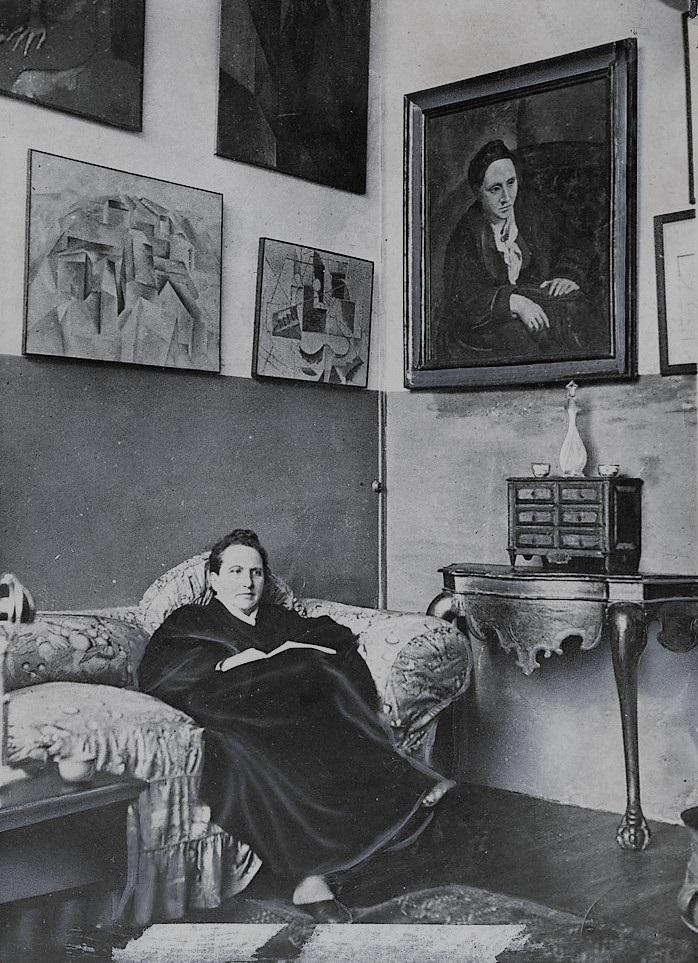
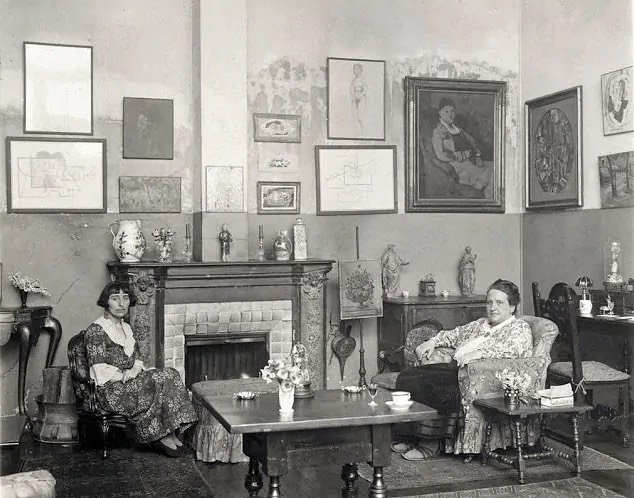
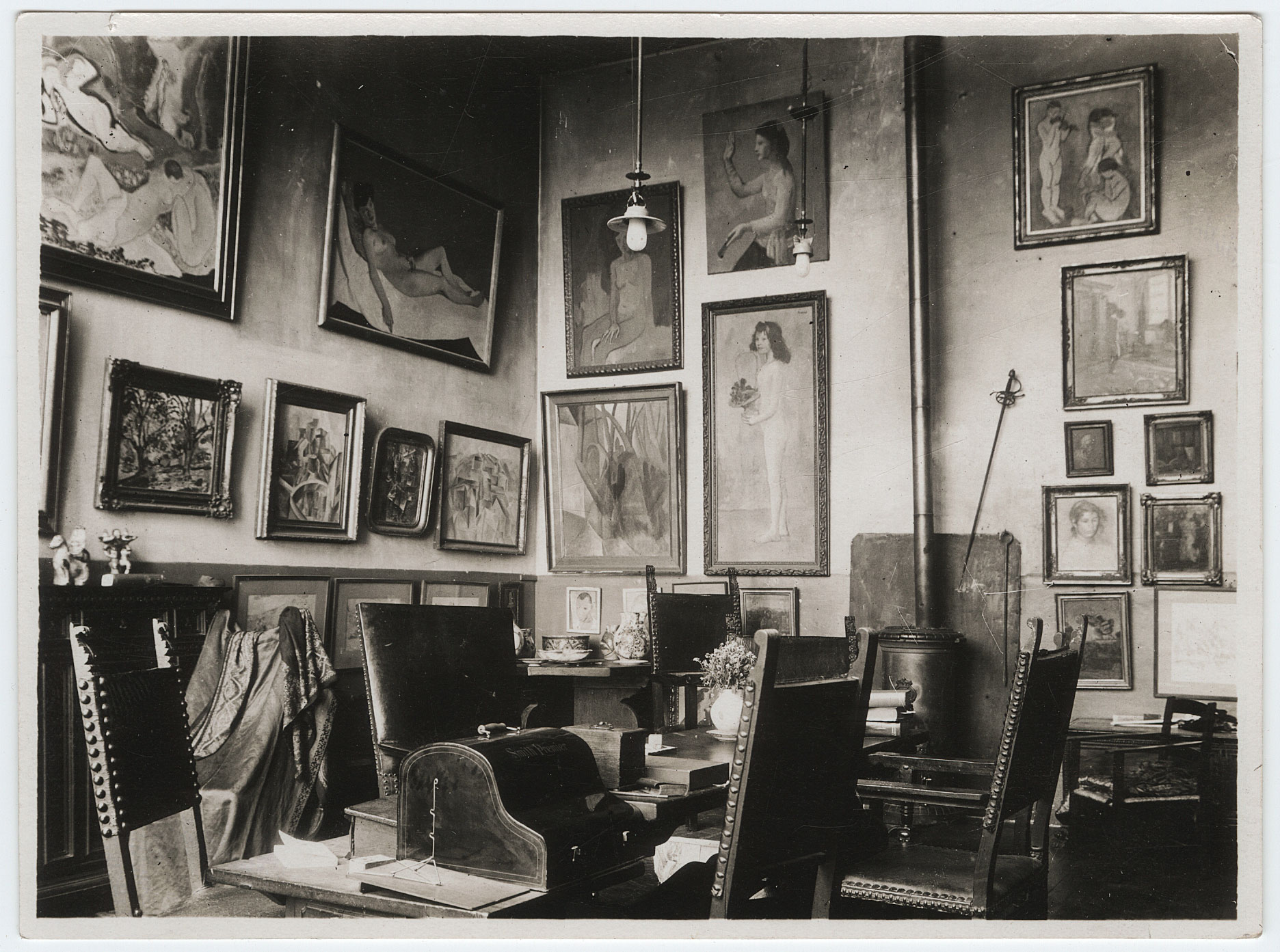
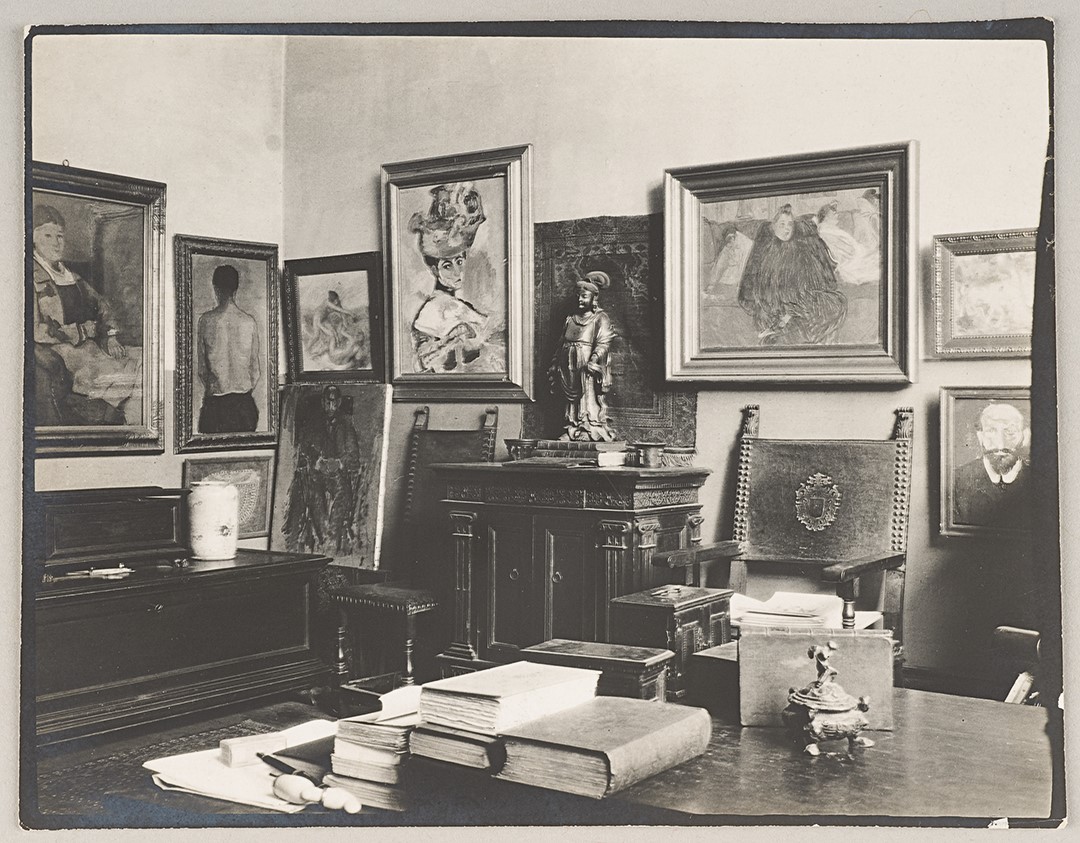
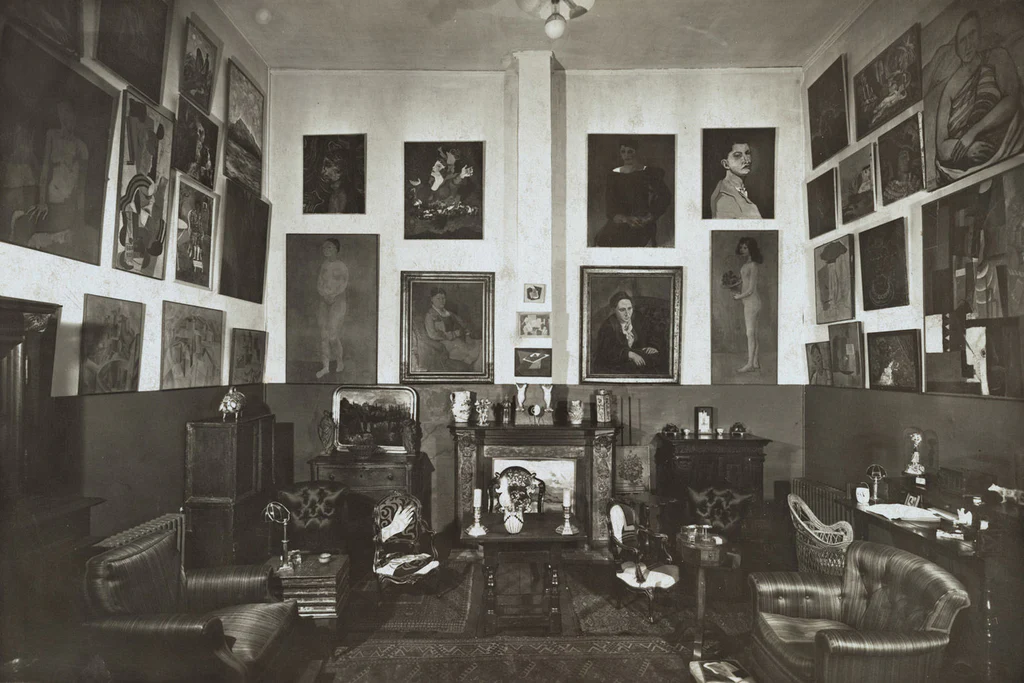
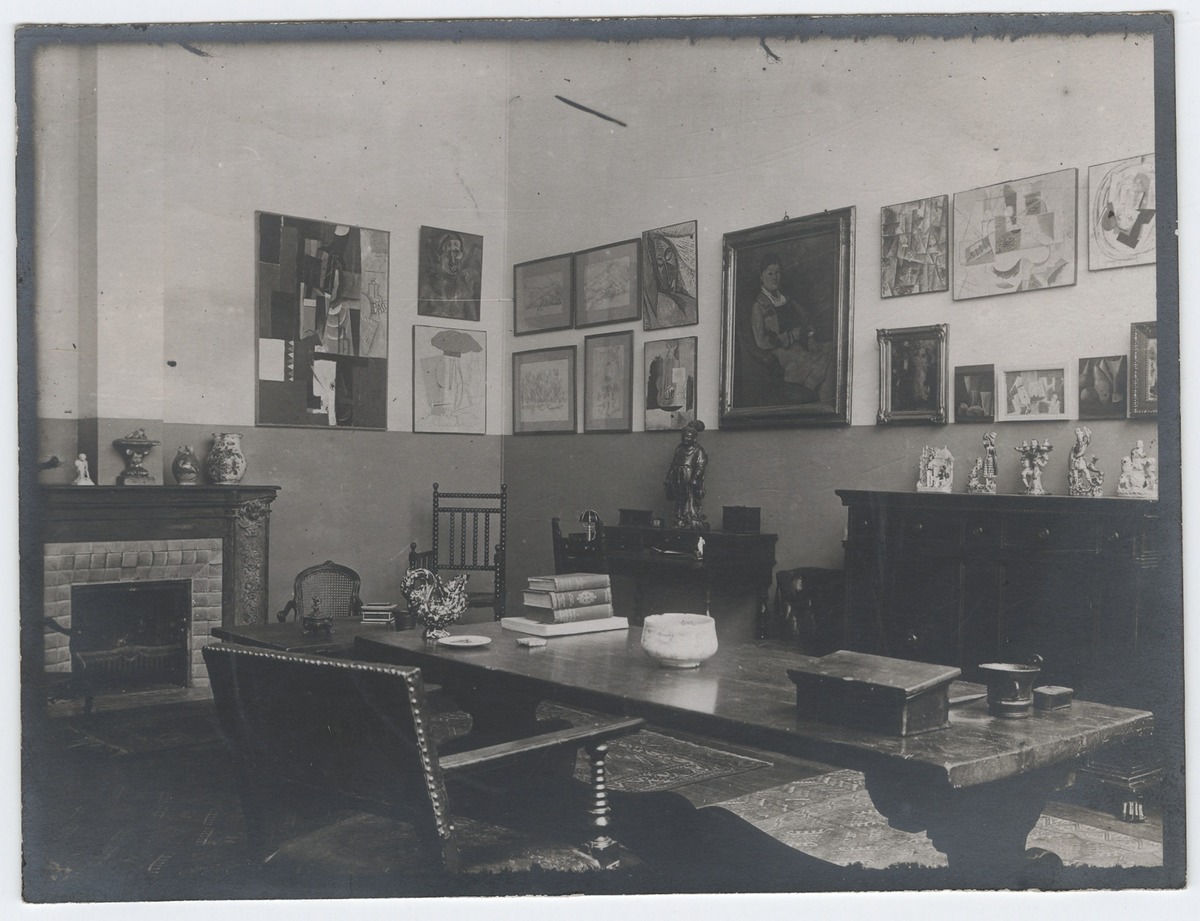
On Saturday evenings, the siblings hosted salons on the rue de Fleurus. The apartment was tiny, with paintings stacked floor to ceiling above heavy wooden Renaissance-era furniture from Florence. There was initially no electric light, so visitors lit matches to view the pictures in dark corners. While many visited “for the fun of it, and half angrily, half jestingly giggled and scoffed after they left,” others like André Derain, Georges Braque, Guillaume Apollinaire, Ernest Hemingway and F. Scott Fitzgerald knew that the Steins’ was the only place in Paris to view radical new artwork. [2, p. 28] Many of the figures who passed through the rue de Fleurus would be incorporated into Gertrude’s 1925 modernist novel, The Making of Americans. [Ibid, p. 51]
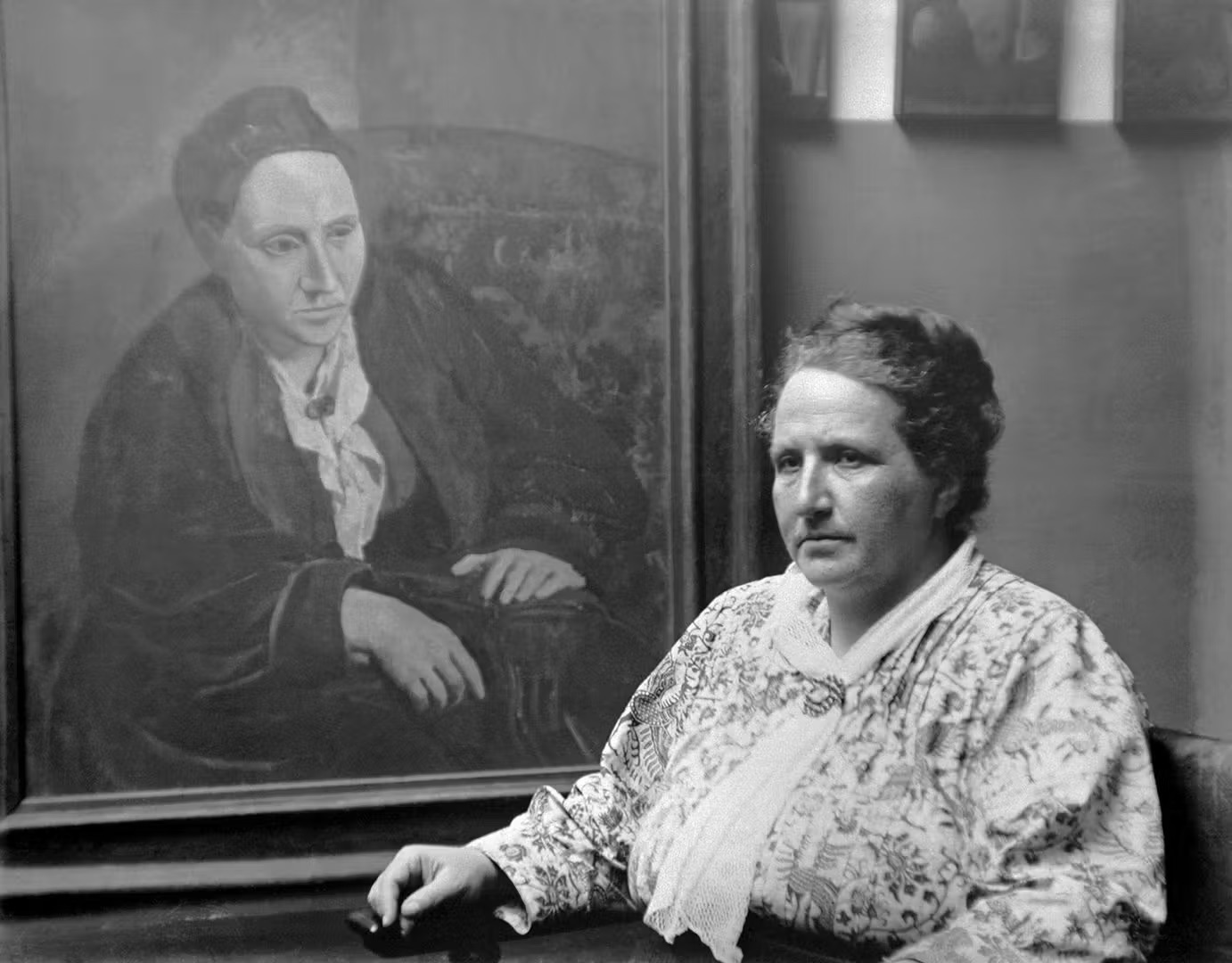
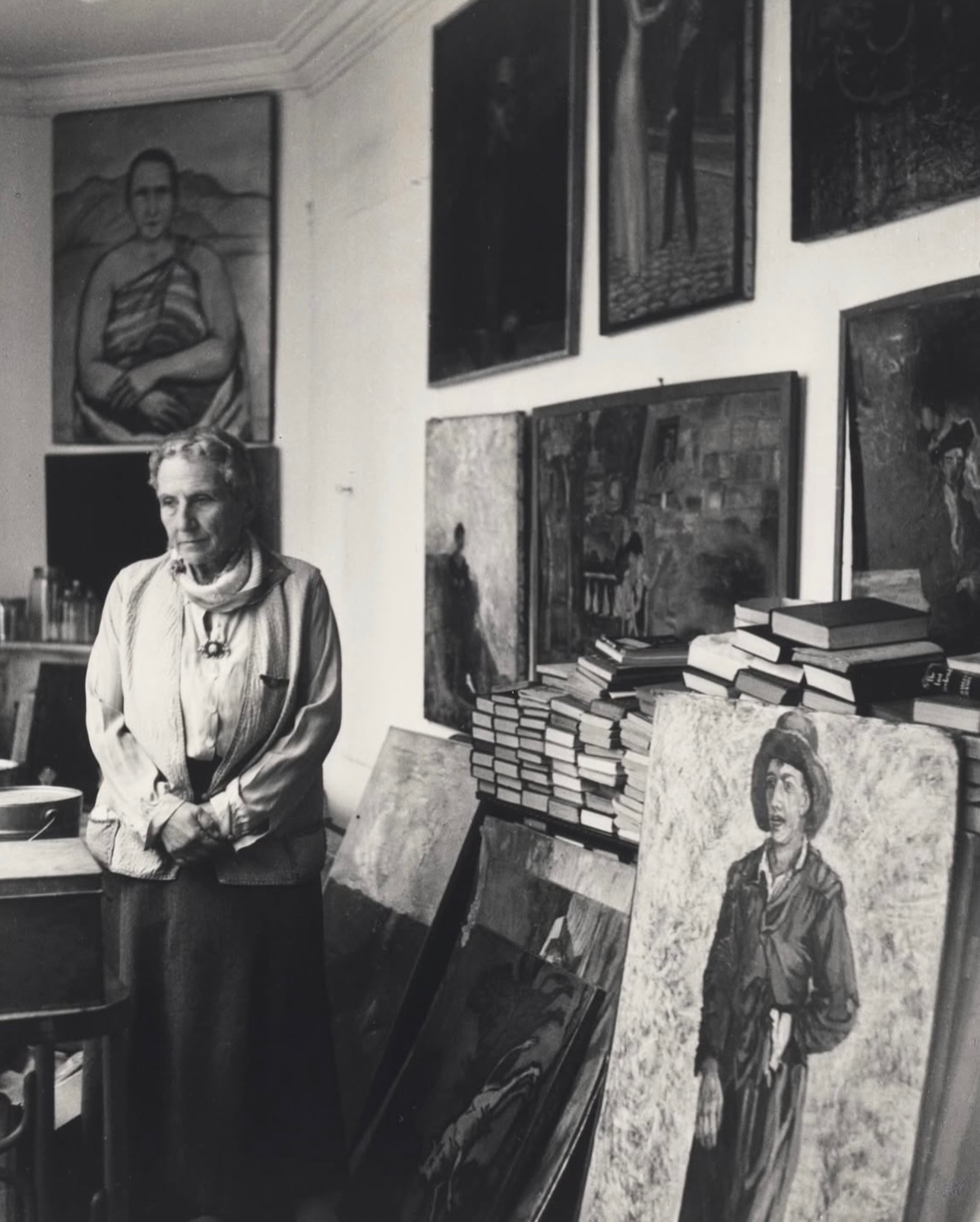
Stein presided over these salons from a chair placed directly underneath her a portrait of her likeness by Picasso. In her book The Autobiography of Alice B. Toklas (1933), Stein described the making of this picture: “She took her pose, Picasso sat very tight on his chair and very close to his canvas and on a very small palette which was of a uniform brown grey color, mixed even more brown grey and the painting began. This was the first of some eighty or ninety sittings.” [4] Created over the course of a year, the work tracks the Spanish artist’s stylistic evolution towards Cubism. “For me,” Stein wrote in her 1938 book, Picasso, “it is I, and it is the only reproduction of me which is always I, for me.” [5]
As the story goes, Stein introduced Picasso and Matisse at a salon in 1906, igniting one of art’s most storied rivalries. Matisse’s breakthrough arrived that year at the Salon des Indépendents with “Le Bonheur de vivre” (1906),” which Stein would say “created a new formula for color that would leave its mark on every painter of the period.” [6] Picasso was among those inspired parties, and his 1907 masterpiece “Les Demoiselles d’Avignon” recalled “Le Bonheur” and another Matisse owned by the Steins, “Nu bleu, Souvenir de Biskra” (1907). Leo, for one, derided “Les Demoiselles” as a “horrible mess.” [3]
The 1909 publication of Three Lives, a collection of stories, marked Stein’s first literary success, causing Leo to chafe. “It was of course a serious thing for her that I can’t abide her stuff and think it abominable,” he wrote to a friend in 1913. “To this has been added my utter refusal to accept the later phases of Picasso with whose tendency Gertrude has so closely allied herself.” [Ibid] By then, the siblings’ aesthetic interests had diverged, with Stein losing interest in Matisse, criticizing his “brutal egotism” and rising prices. [2, p. 55] Picasso, she said, “was the only one in painting who saw the twentieth century with his eyes and saw its reality and consequently his struggle was terrifying.” [3] She supported Picasso’s increasingly fragmented still lifes, which alienated many, including Leo. The first work she bought without her brother was “The Architect’s Table” (1912) an oval-shaped beige and grey painting that contains Stein’s calling card, which she had left one day at his studio. [Ibid.]
When Leo decided to move out of rue de Fleurus, he wrote to his sister that he would “insist with happy cheerfulness that you make as clean a sweep of the Picassos as I have of the Renoirs.” [Ibid.] True to his word, when he departed in April 1914 for his villa outside Florence, he left behind all the Picassos, as well as nearly every Matisse. He further broke his sister’s heart by insisting on keeping Cézanne’s humble painting of five apples. Picasso painted a watercolor of a single apple and gave it to Stein and her life partner, Alice B. Toklas, as a Christmas gift. [Ibid.]
When Stein needed money to travel to Spain with Toklas during World War I, she sold “Femme au chapeau” to her brother Michael and sister-in-law Sarah, avid patrons of Matisse, for $4,000. [7] Stein continued to collect art until her death, at age 72, in 1946. However, Picasso’s rising prices after World War I led her to younger artists like Juan Gris, André Masson, Francis Picabia, and Sir Francis Rose. Except for Gris, whom she adored and who died young in 1927, Gertrude never claimed that her new infatuations approached the brilliance of her earlier discoveries. In 1932 she proclaimed that “painting now after its great period has come back to be a minor art.” [3]
In 1937, Stein and Toklas relocated to the rue Christine. The Jewish American couple was forced to flee the city at the outbreak of the war in 1939, taking only two paintings: Picasso’s portrait of Gertrude and Cézanne’s portrait of his wife. They sold artwork to stay afloat; “We are eating the Cézanne,” Stein once quipped when asked about a painting missing from her walls. [Ibid]
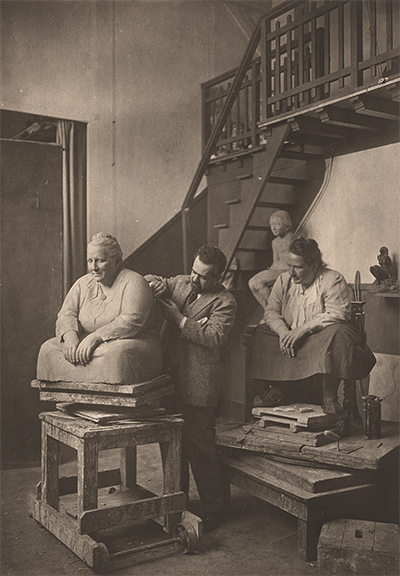
The portrait by Picasso was the only painting that Stein mentioned in the will prepared shortly before her death, in July 1946. It was to be left to The Metropolitan Museum of Art, to ensure that their artistry remained linked. After a delay in deference to Toklas, who wished to remain with the work for as long as possible, on August 22, 1947, the portrait was unveiled in The Met’s grand Fifth Avenue atrium. [8] The portrait remains in the museum’s collection, linking writer and artist indelibly as the two geniuses of the twentieth century: “Picasso in painting and I in literature.” [5]
Image: Man Ray. Gertrude Stein con un ritratto di Picasso, 1922. Gelatin silver print, 7 × 9 3/10 in (17.7 × 23.5 cm). © Man Ray 2015 Trust / Artists Rights Society (ARS), NY / ADAGP, Paris
Author: Tobias Czudej
12 August 2026
Czudej McDonough Mailing List
Close