New York
1 World Trade Centre, Suite 8500
New York, NY, 10007
newyork@czudejmcdonough.com
+1 212 380 6357
San Francisco
1120 Mar West Street, Suite C
Tiburon, CA 94920
sanfrancisco@czudejmcdonough.com
+1 415 309 7521
↑
AI in Art Valuation: Where Automation Meets Expertise
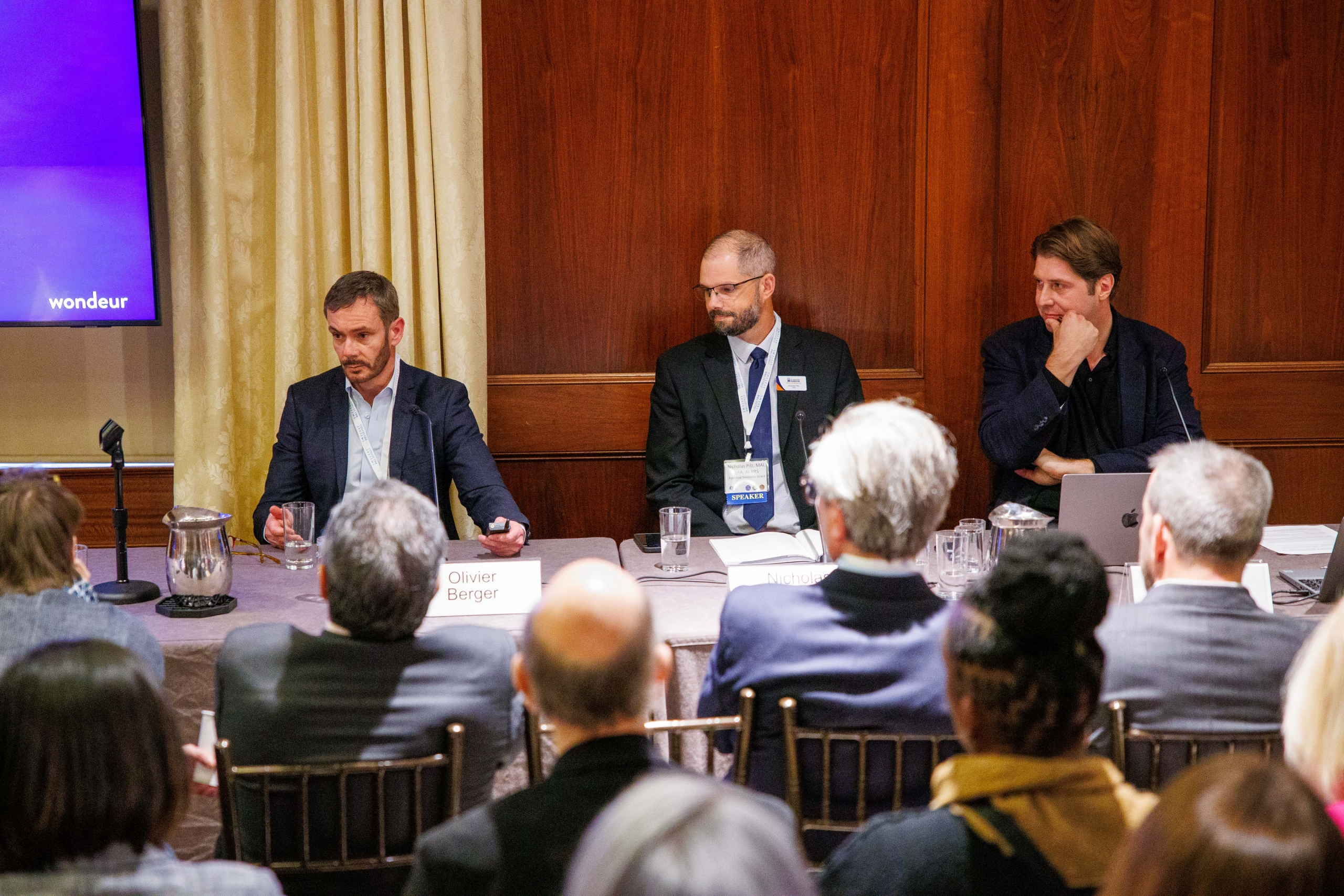
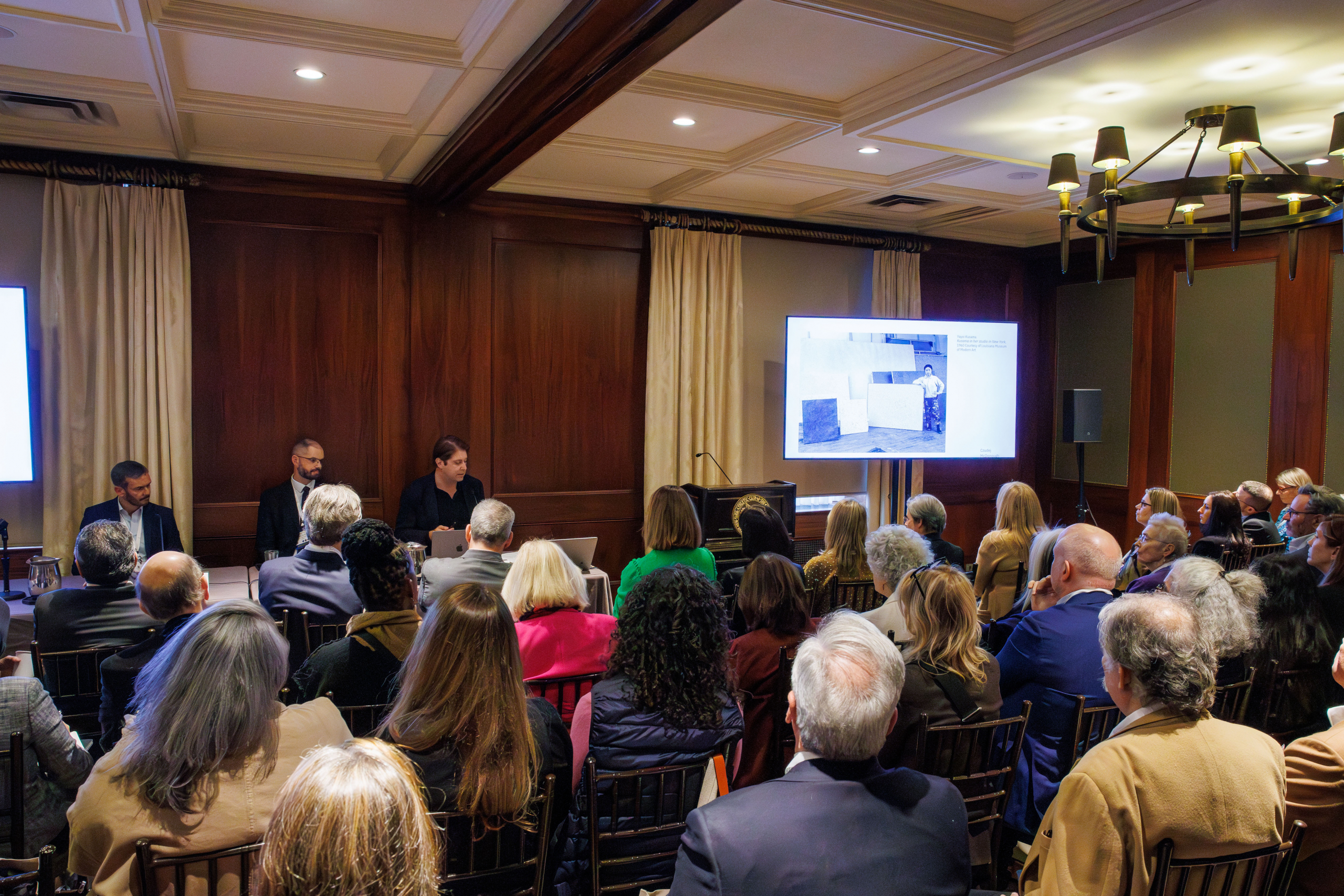
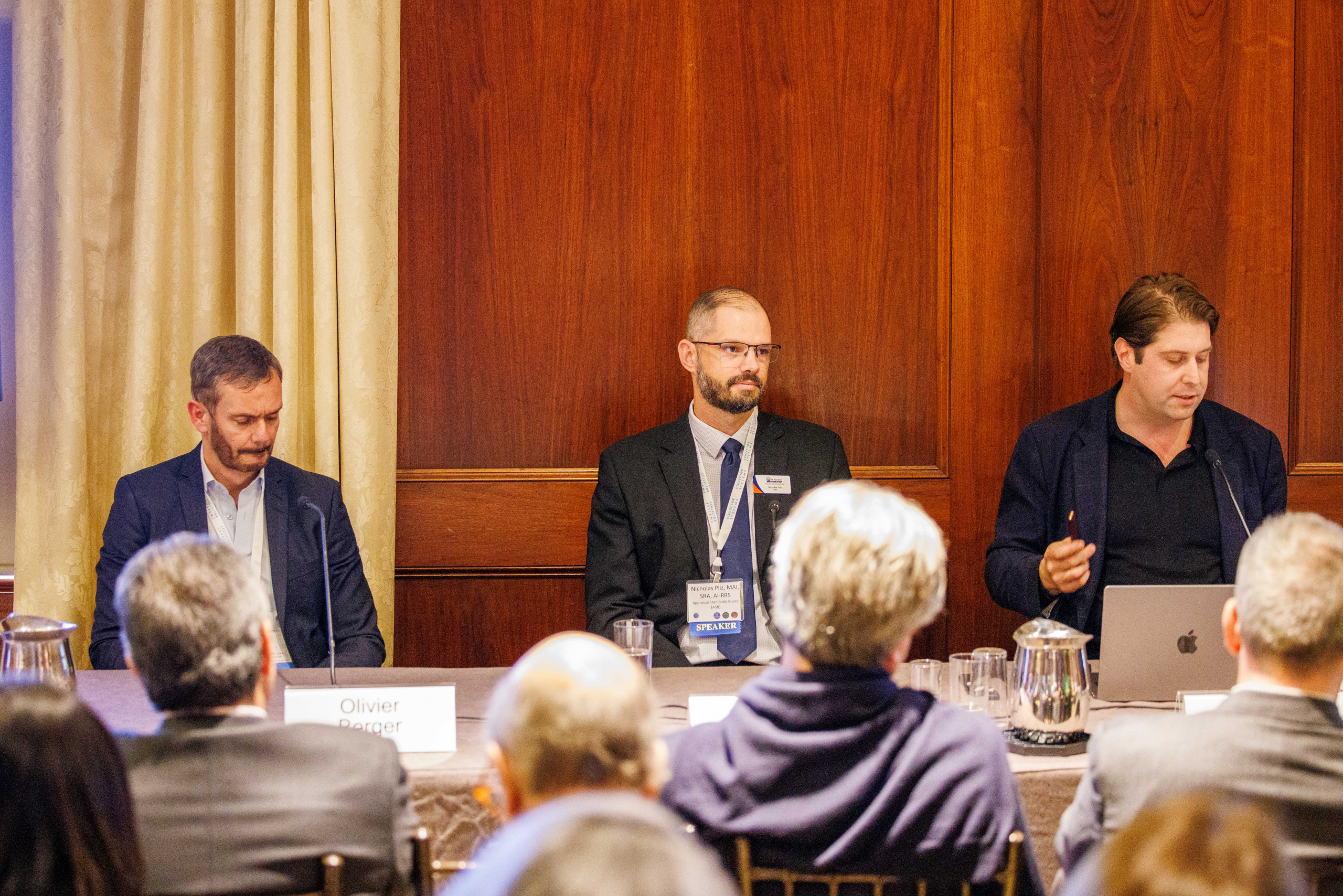
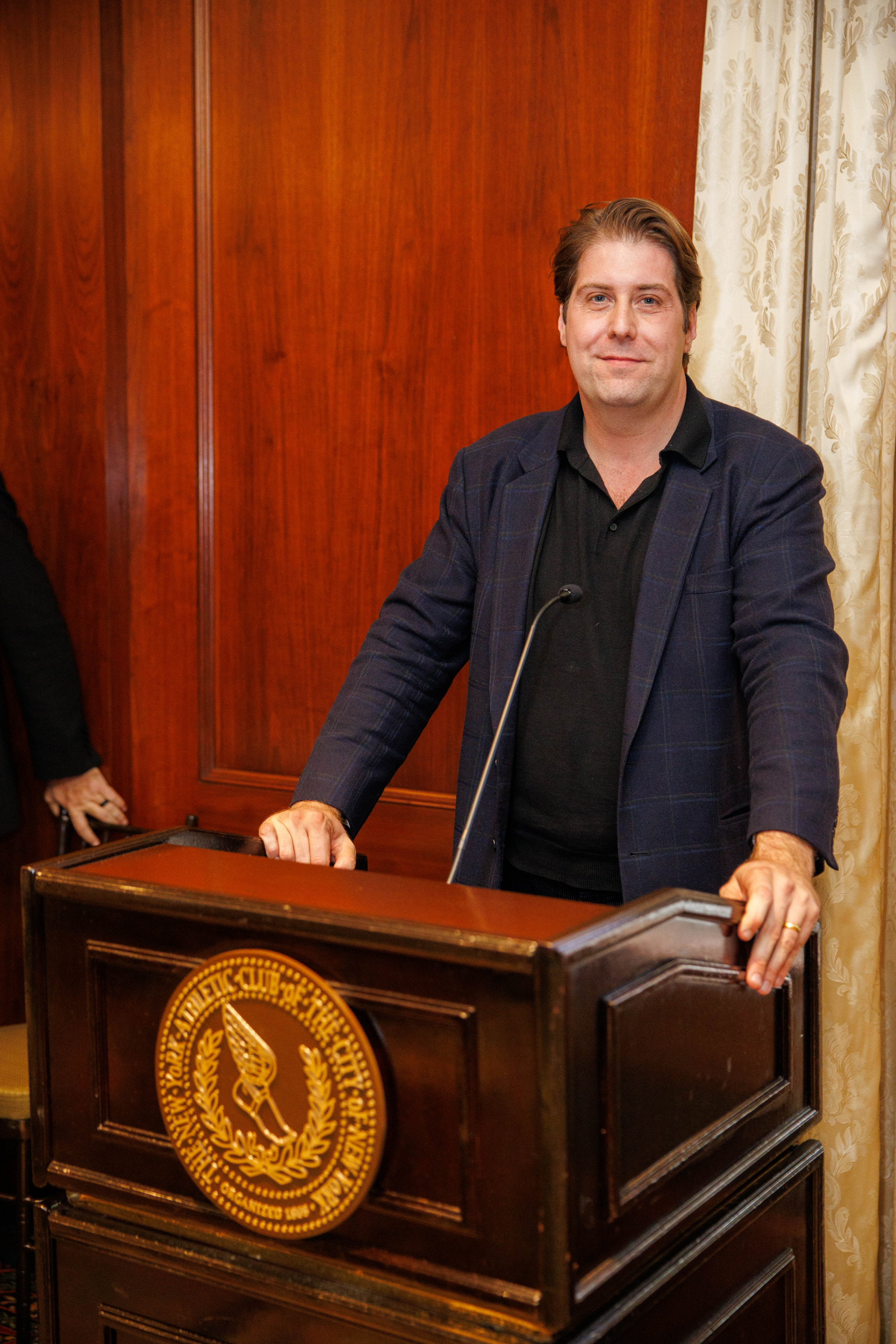
Last week I led a panel discussion on AI and the future of art valuation at the Appraisers Association of America's annual conference at the New York Athletic Club in New York. The session brought together Nicholas Pilz, MAI, SRA, AI-RRS, Chair of the Appraisal Standards Board, and Olivier Berger, Co-CEO of Wondeur Ai, to examine how artificial intelligence is reshaping professional appraisal practice.
What emerged from the discussion was a productive tension between capability and accountability. I demonstrated how we've integrated AI at Czudej McDonough, from OCR transcription that catalogued 5,000 photographs in a day to structured research synthesis for market analysis. Nicholas outlined USPAP's principles-based approach to AI integration, emphasizing that the technology must serve the appraiser's judgment, not replace it. Olivier described Wondeur's work analyzing millions of art assets for insurance and wealth management firms, identifying underinsured or overinsured works across portfolios that would otherwise remain invisible.
The audience polling revealed what many suspected: appraisers are experimenting widely but uncertainly. Writing assistance leads adoption, followed by research synthesis. The primary concerns center on data accuracy, confidentiality, and professional liability—questions that don't yet have settled answers.
Several substantive questions emerged from the discussion. If AI handles the mechanical 70% of appraisal work, what defines the irreducible 30% that remains human? When does disclosure of AI use become necessary rather than analogous to acknowledging spell-check? How do we maintain professional accountability when the tools we use can operate as black boxes?
Nicholas made the crucial distinction that USPAP governs appraiser conduct, not the technology itself. The standards require competence in whatever tools we deploy. This shifts responsibility appropriately. The appraiser who uploads confidential client data to a public LLM hasn't been failed by the technology; they've failed to meet their professional obligations.
What impressed most was the consensus that AI amplifies rather than replaces expertise. The information asymmetries that define high-end appraisal practice (dealer relationships, connoisseurship knowledge, market intelligence) cannot be automated. Such intelligence develops through years of demonstrated discretion and cannot be systematized.
For those working in appraisal practice, the challenge isn't technological adoption but thoughtful integration. The tools are powerful but require frameworks that preserve professional judgment, maintain confidentiality, and ensure we can defend our conclusions under scrutiny.
Image: AI and the Future of Art Valuation: Practical Applications and Professional Standards
Czudej McDonough Mailing List