The Collector: Jacqueline Delubac
The Collector: Jacqueline Delubac
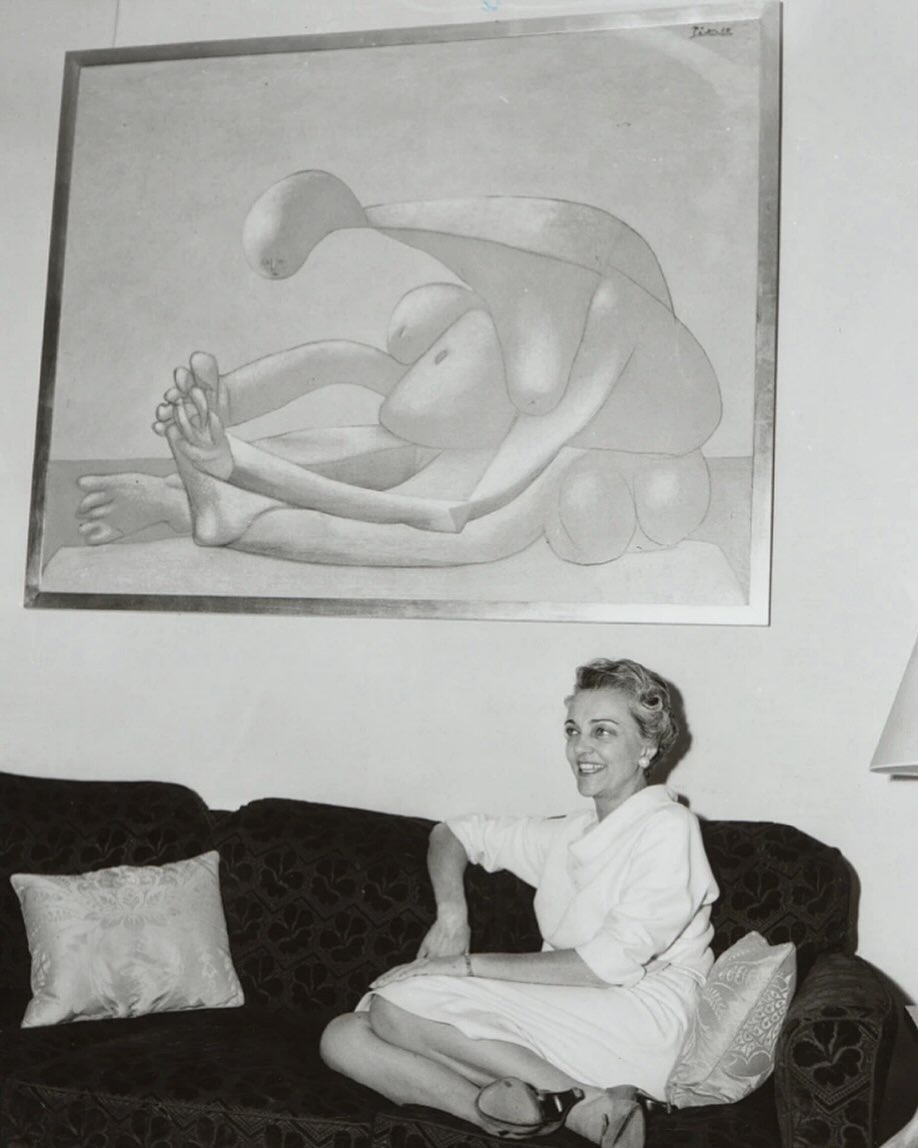
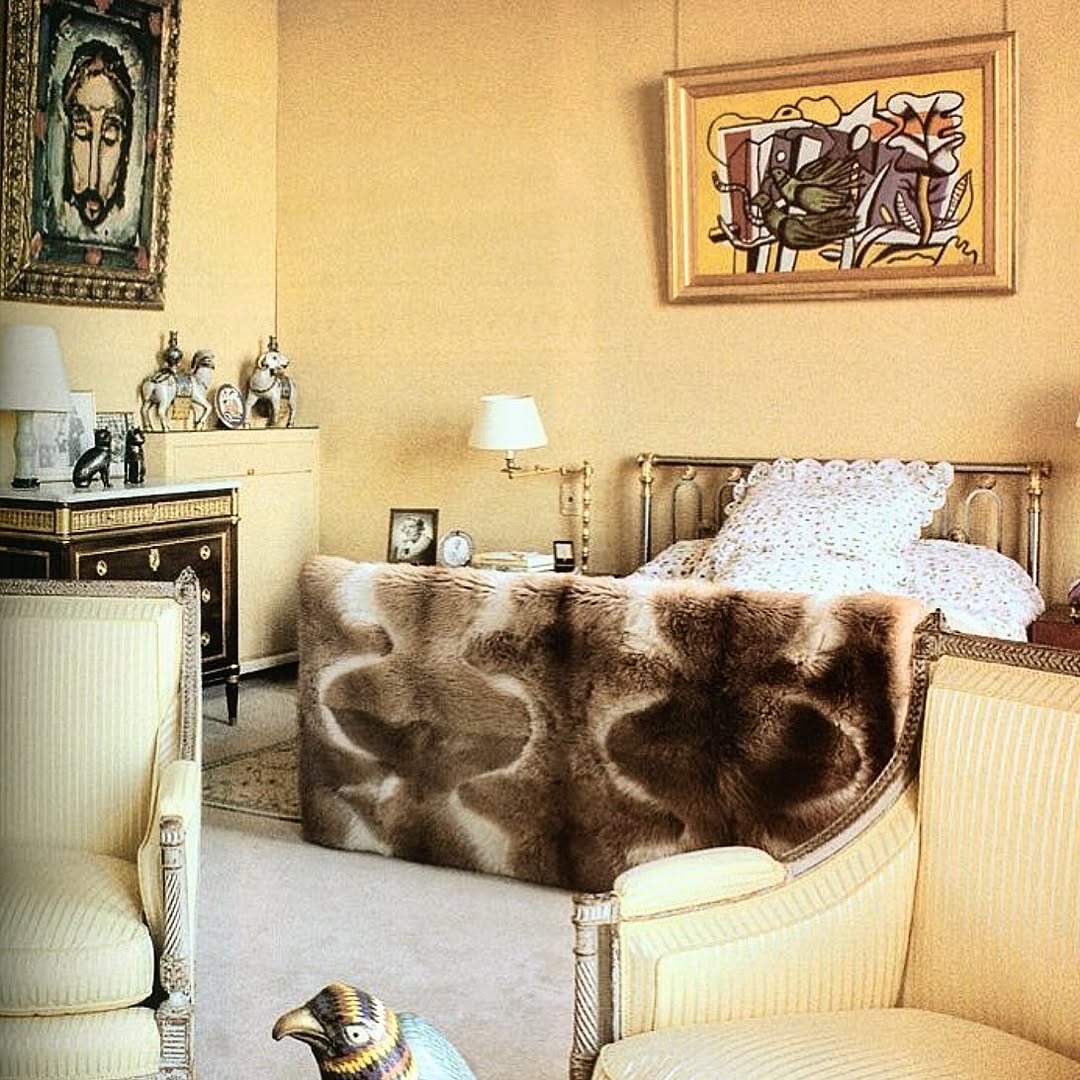
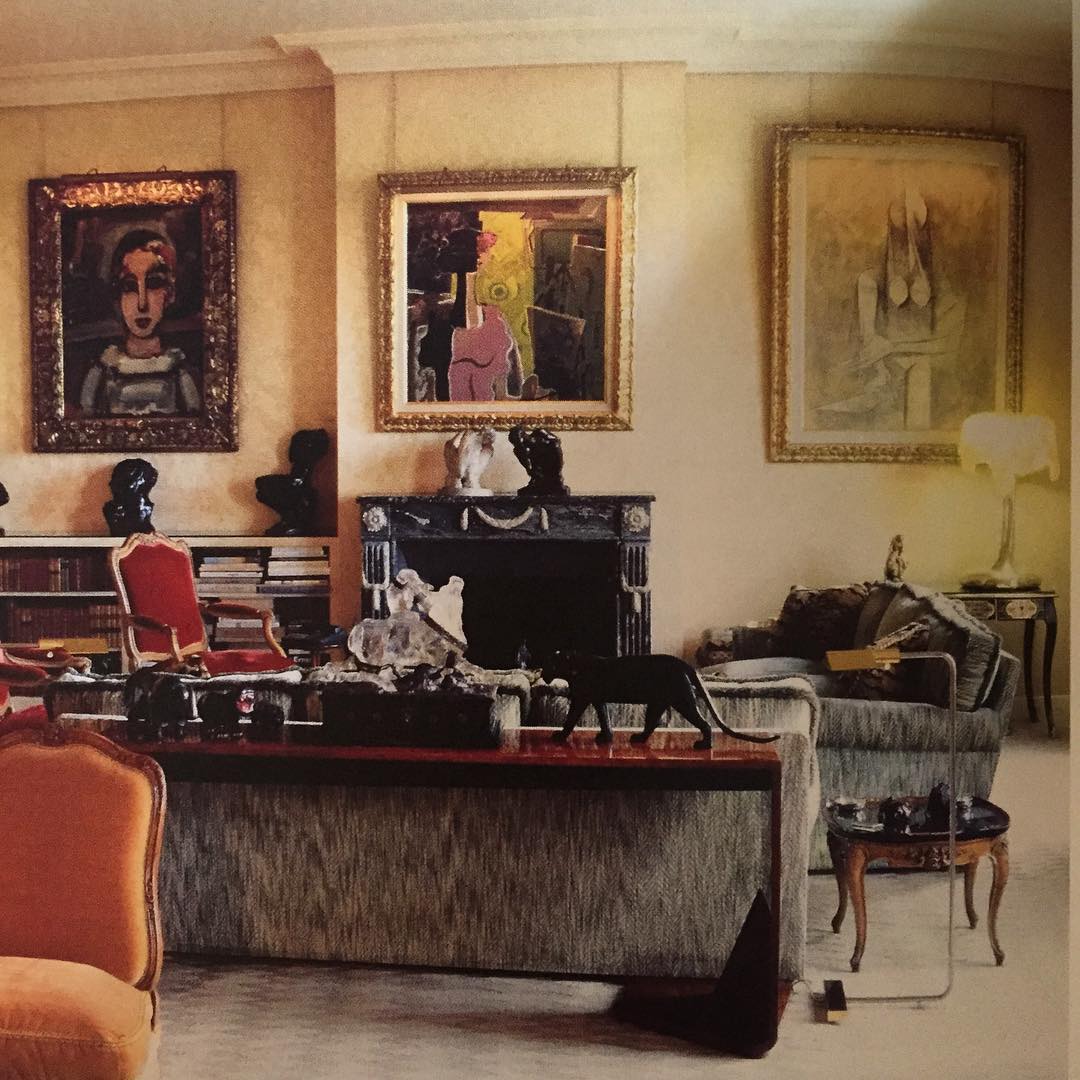
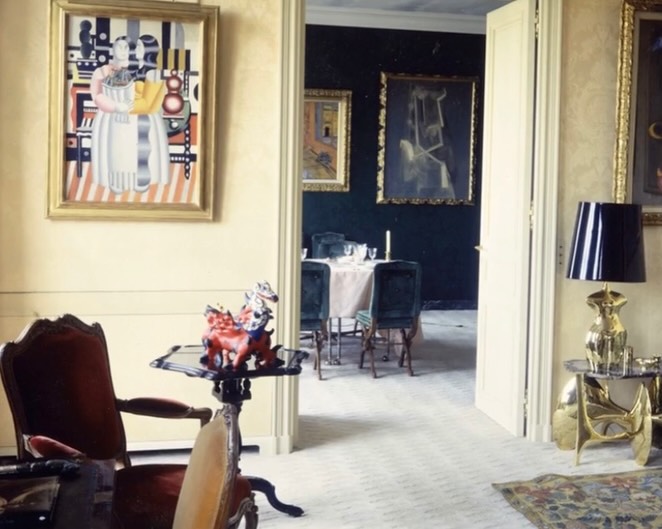
The French actress Jacqueline Delubac (1907-1997) was considered the most elegant woman in Paris, and her art collection, which featured modernist works by Picasso, Degas, Lam, Léger, and more, followed suit.
She was born Jacqueline Basset in Lyons to a family who worked in the silk industry. Following her father’s death, the family moved to Valence, where she spent her childhood. In the 1920s, she departed Valence for Paris, hoping to dance in a music hall under her mother’s maiden name.
Her professional theatrical career began in 1931, when she was cast in a play by the renowned author and director Sacha Guitry. She became his third wife in 1935 and resided in his townhouse at 18 Avenue Élisée-Reclus surrounded by paintings by Renoir, Van Dongen, Toulouse-Lautrec, Cézanne, Matisse, and more. Living among these masterpieces undoubtedly developed Delubac’s eye and aesthetic judgement. [1] The couple divorced in 1939. Delubac bought her first painting in December 1944, purchasing Raoul Dufy’s recent work “L’Atelier aux raisins” from the Parisian gallery Louis Carré; She reportedly sold the jewelry given to her by Guitry to finance her acquisitions. [2]
Throughout the 1930s and ’40s, Delubac had a successful career on screen and on stage until she retired in 1950. Her artistic acquisitions accelerated after 1951, and she developed her eye by visiting exhibitions, preferring to shop at galleries like Aimé Maeght, Jeanne Bucher, and Claude Bernard rather than auctions. Her collection grew to include works by Braque, Léger, Miró, Dubuffet, and Picasso. She was drawn to challenging works.
“I have a good eye, I was fortunate enough to have a fairly good instinct and to buy paintings by Poliakoff, Fautrier, and Dubuffet who were little known, and I have the joy of having acquired them when everyone was laughing at me,” she told a journalist who inquired about the formation of her collection. [Ibid.]
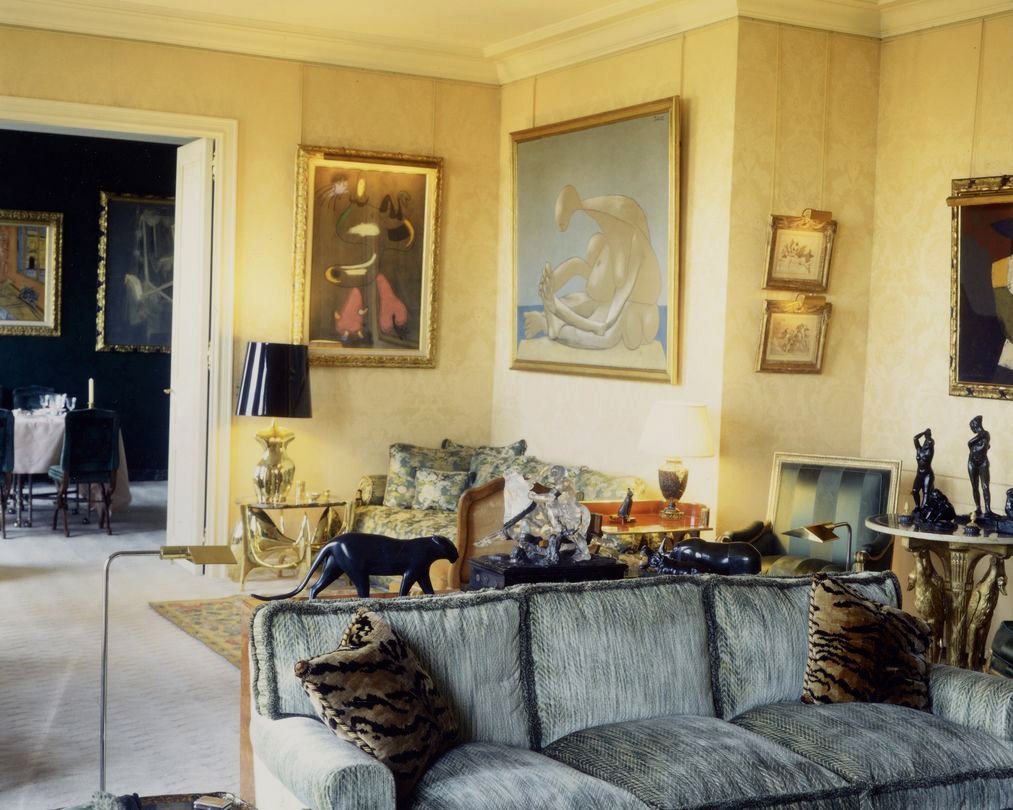
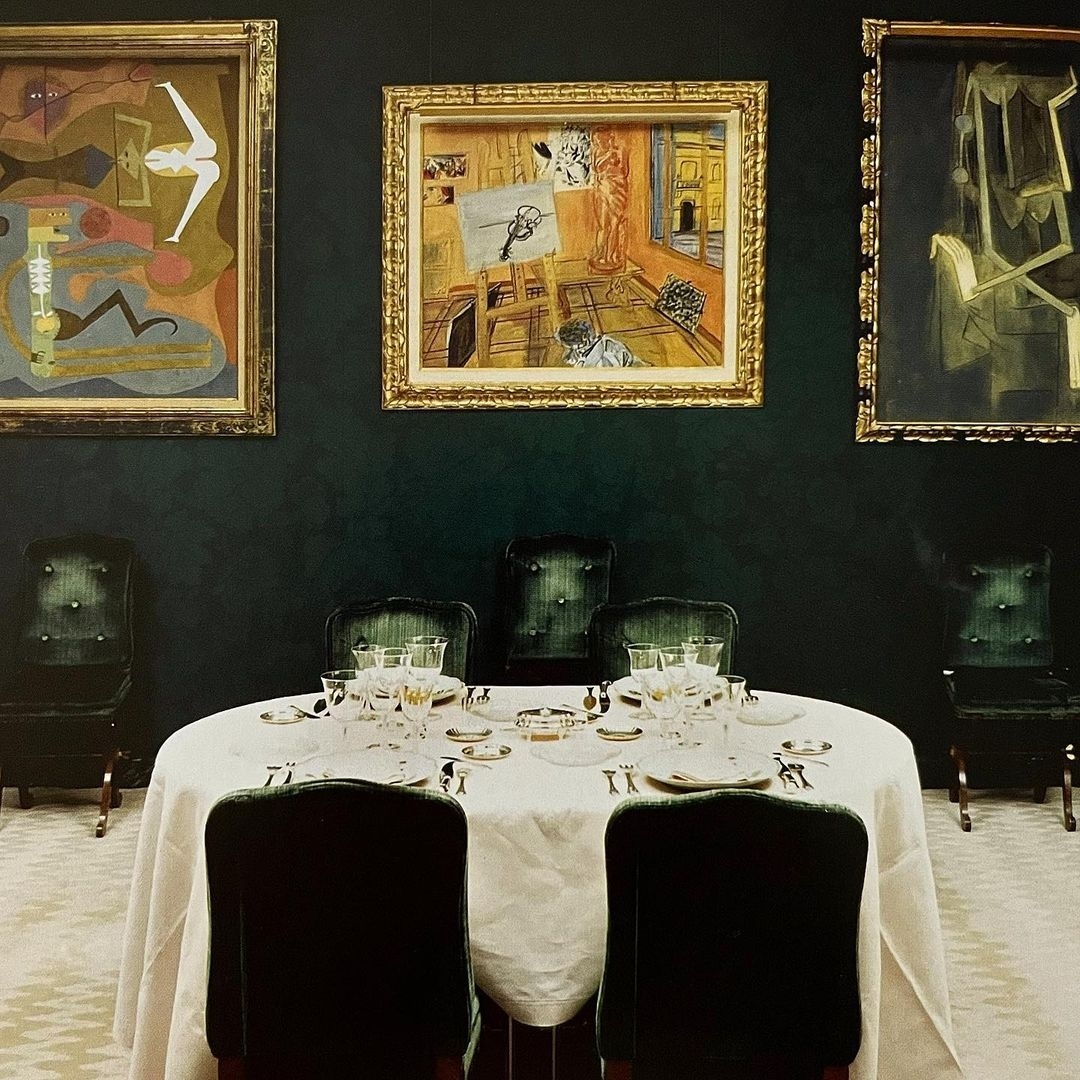
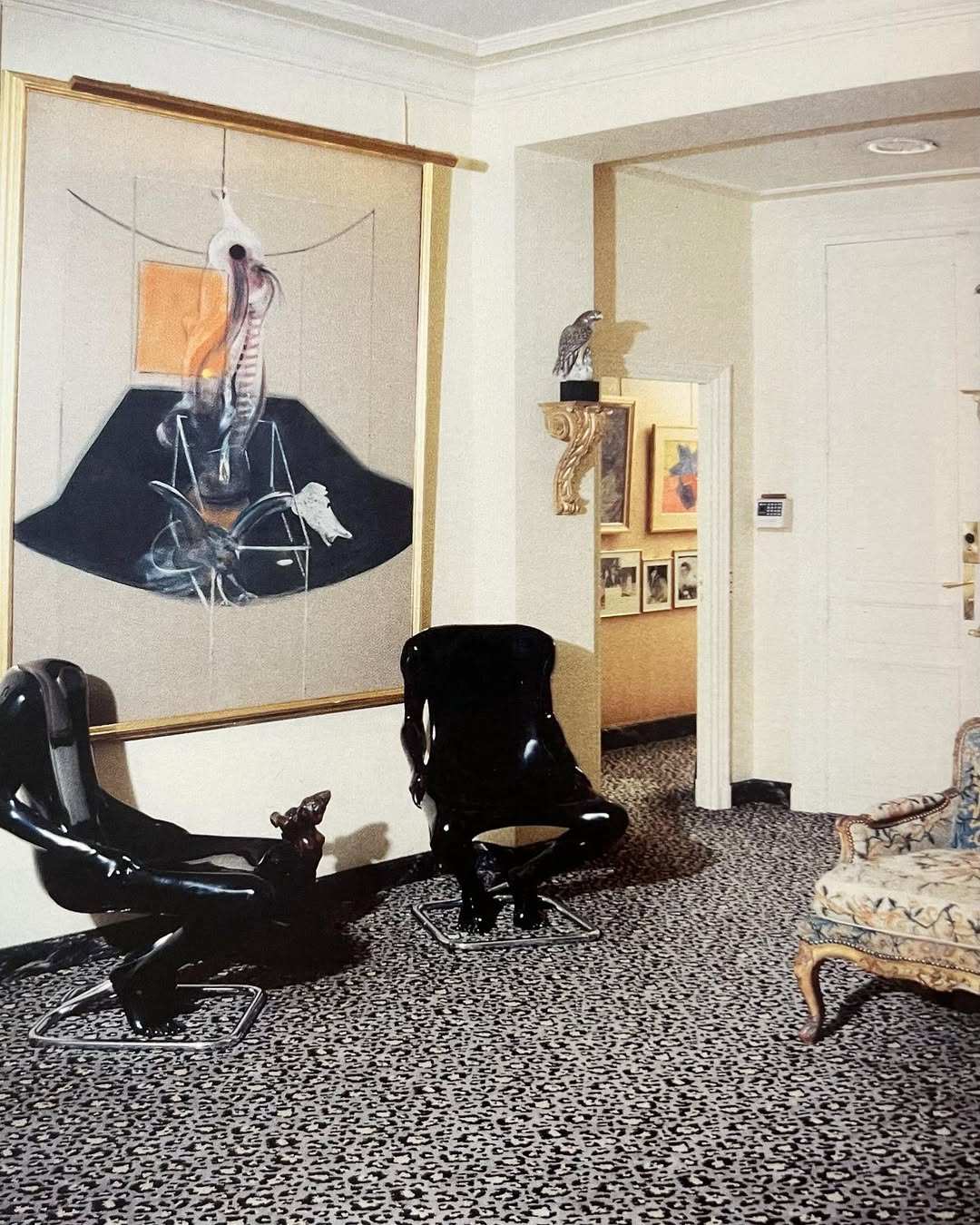
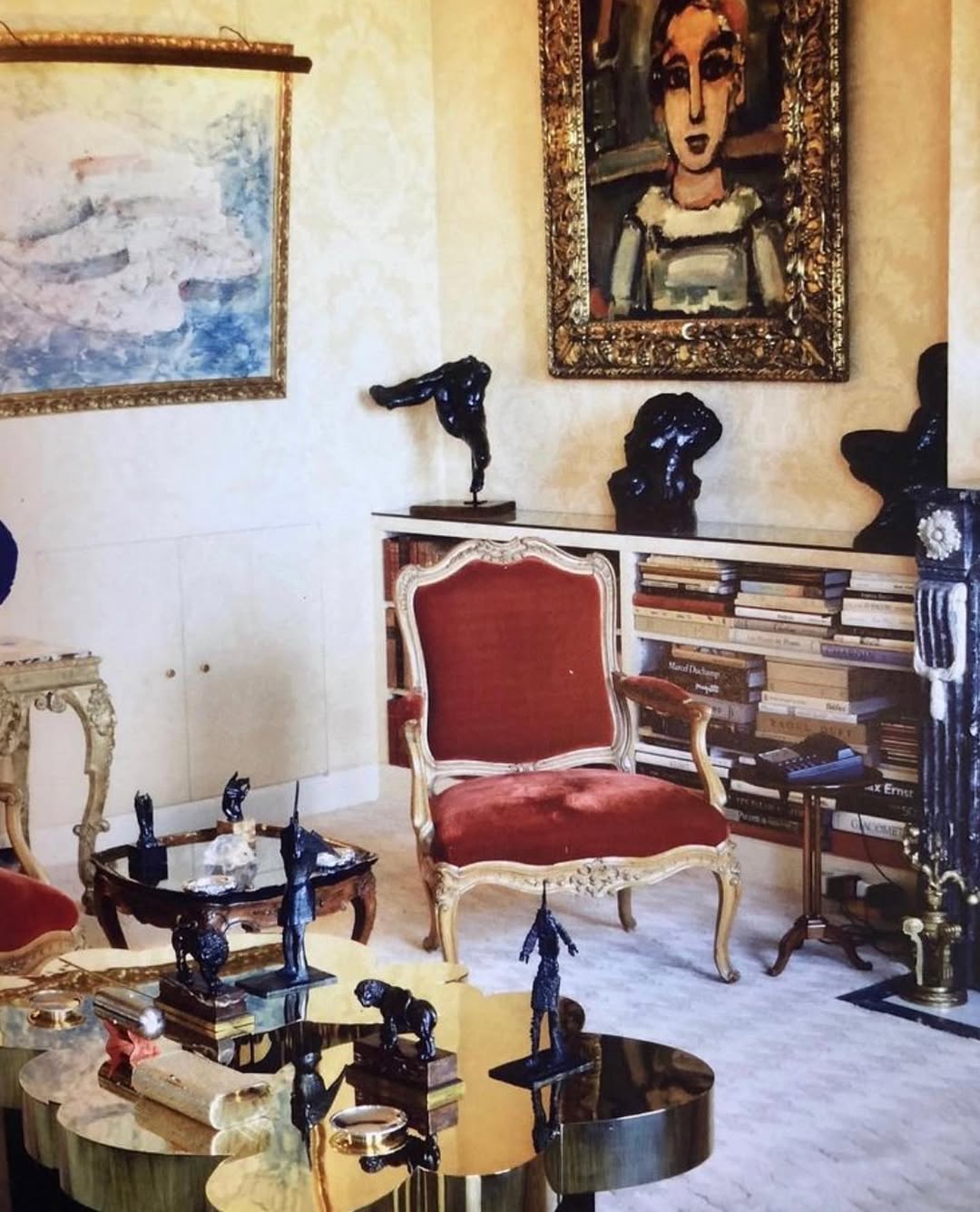
In the 1980s, Delubac moved into a spacious apartment on the Quai d'Orsay in Paris. She entrusted the interior design to Henri Samuel, known for juxtaposing historic styles with modernist artwork. For example, Jean Dubuffet's “Glass of Water V” (1967) and Auguste Rodin's “The Kiss” (circa 1882) were displayed alongside 15th-century gilt-bronze andirons. In 1982, she bought Francis Bacon's “Carcass of Meat and Bird of Prey” (1980) and then, a little later, “Study for a Bullfight, No. 2” (1969), which she displayed in the dining room. [Ibid.]
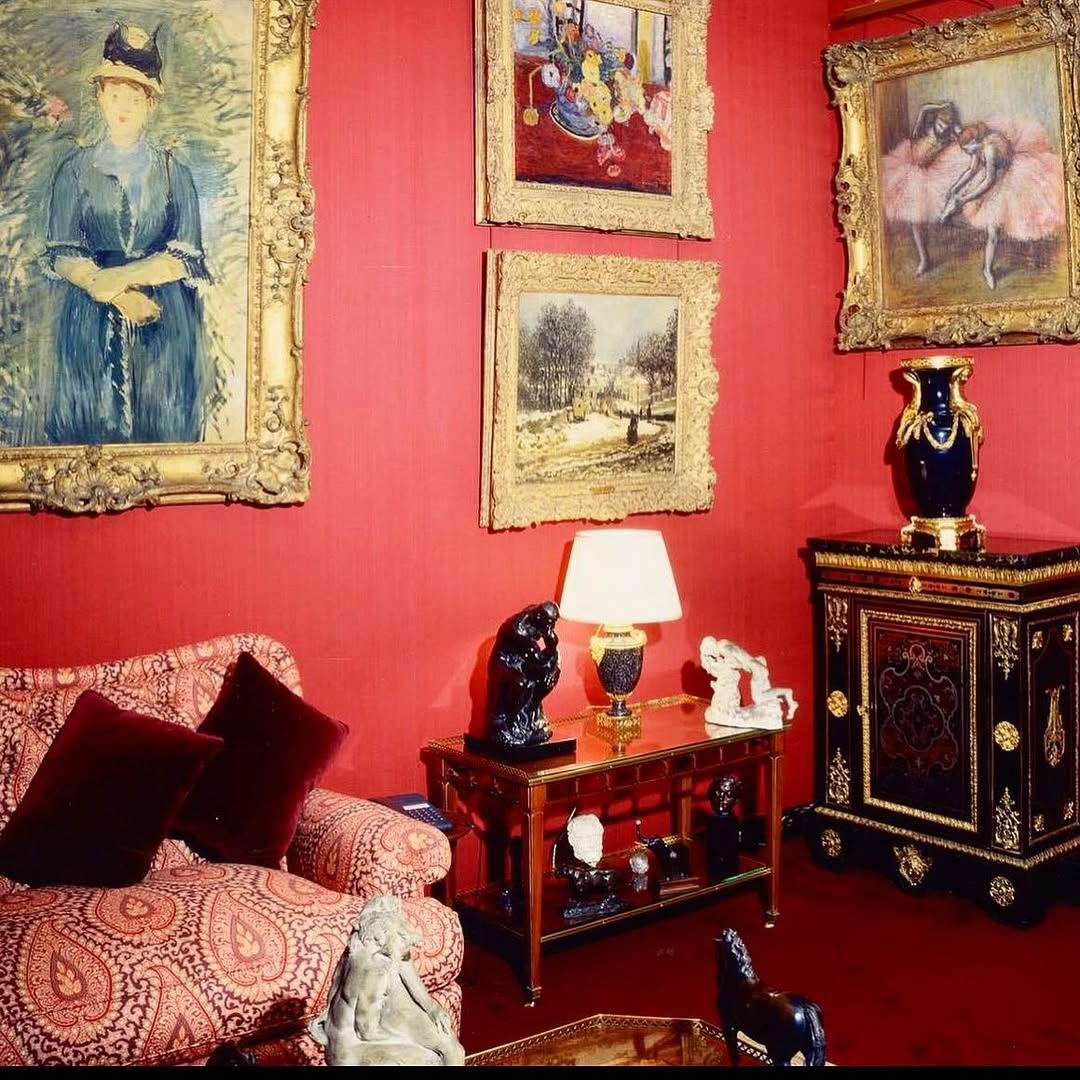
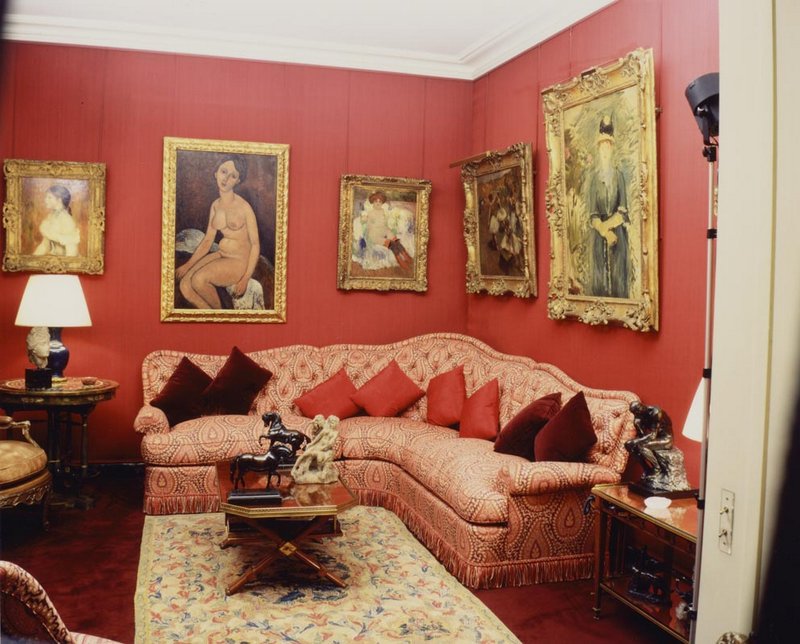
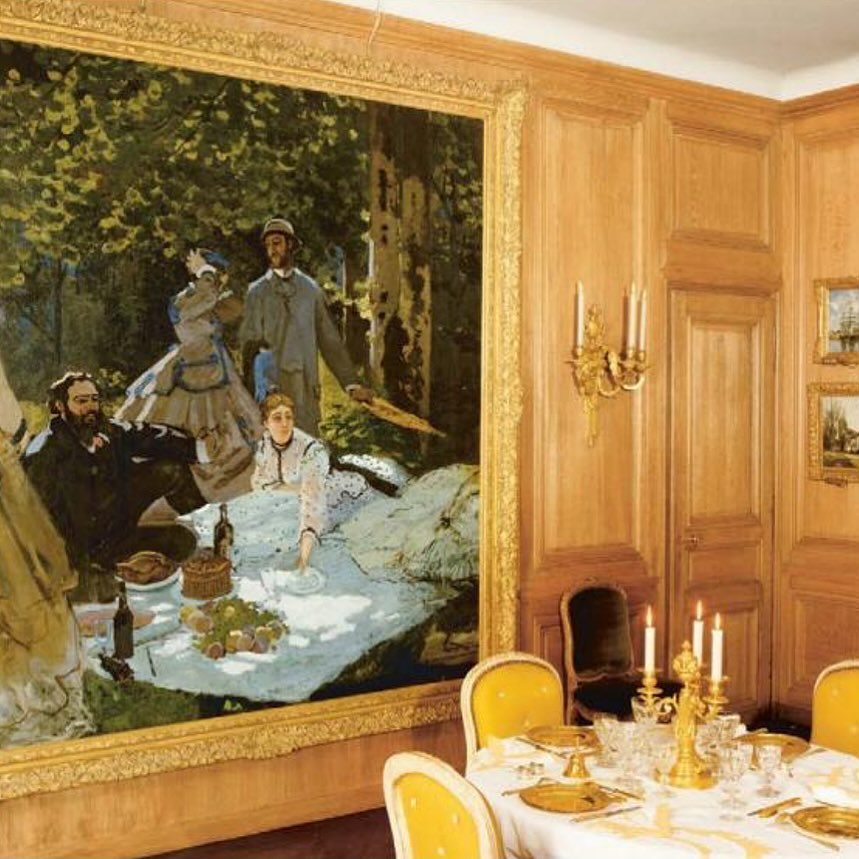
In 1981, Delubac married her second husband, the Armenian diamond merchant Myran Eknayan. He was a collector of Impressionist works, including an enormous central fragment of Claude Monet’s “Le Déjeuner sur l’Herbe” (1865-66). When Eknayan died in 1985, Delubac dedicated a red room in the apartment on the Quai d'Orsay to his collection, displaying works by Picasso, Degas, and Renoir alongside bronzes by Rodin.
As early as 1988, Delubac began to consider the future of her collection. Having no heirs, she decided to bequeath them to a public institution. After her death in 1997, the Museum of Fine Arts of Lyon received thirty-five paintings and pastels by Monet, Manet, Renoir, Degas, Bonnard, Vuillard, Léger, Braque, Picasso, Miró, and Bacon. Also included were several of Eknayan’s Rodin bronzes and 19th-century paintings. [Ibid.]
She was born Jacqueline Basset in Lyons to a family who worked in the silk industry. Following her father’s death, the family moved to Valence, where she spent her childhood. In the 1920s, she departed Valence for Paris, hoping to dance in a music hall under her mother’s maiden name.
Her professional theatrical career began in 1931, when she was cast in a play by the renowned author and director Sacha Guitry. She became his third wife in 1935 and resided in his townhouse at 18 Avenue Élisée-Reclus surrounded by paintings by Renoir, Van Dongen, Toulouse-Lautrec, Cézanne, Matisse, and more. Living among these masterpieces undoubtedly developed Delubac’s eye and aesthetic judgement. [1] The couple divorced in 1939. Delubac bought her first painting in December 1944, purchasing Raoul Dufy’s recent work “L’Atelier aux raisins” from the Parisian gallery Louis Carré; She reportedly sold the jewelry given to her by Guitry to finance her acquisitions. [2]
Throughout the 1930s and ’40s, Delubac had a successful career on screen and on stage until she retired in 1950. Her artistic acquisitions accelerated after 1951, and she developed her eye by visiting exhibitions, preferring to shop at galleries like Aimé Maeght, Jeanne Bucher, and Claude Bernard rather than auctions. Her collection grew to include works by Braque, Léger, Miró, Dubuffet, and Picasso. She was drawn to challenging works.
“I have a good eye, I was fortunate enough to have a fairly good instinct and to buy paintings by Poliakoff, Fautrier, and Dubuffet who were little known, and I have the joy of having acquired them when everyone was laughing at me,” she told a journalist who inquired about the formation of her collection. [Ibid.]
In the 1980s, Delubac moved into a spacious apartment on the Quai d'Orsay in Paris. She entrusted the interior design to Henri Samuel, known for juxtaposing historic styles with modernist artwork. For example, Jean Dubuffet's “Glass of Water V” (1967) and Auguste Rodin's “The Kiss” (circa 1882) were displayed alongside 15th-century gilt-bronze andirons. In 1982, she bought Francis Bacon's “Carcass of Meat and Bird of Prey” (1980) and then, a little later, “Study for a Bullfight, No. 2” (1969), which she displayed in the dining room. [Ibid.]
In 1981, Delubac married her second husband, the Armenian diamond merchant Myran Eknayan. He was a collector of Impressionist works, including an enormous central fragment of Claude Monet’s “Le Déjeuner sur l’Herbe” (1865-66). When Eknayan died in 1985, Delubac dedicated a red room in the apartment on the Quai d'Orsay to his collection, displaying works by Picasso, Degas, and Renoir alongside bronzes by Rodin.
As early as 1988, Delubac began to consider the future of her collection. Having no heirs, she decided to bequeath them to a public institution. After her death in 1997, the Museum of Fine Arts of Lyon received thirty-five paintings and pastels by Monet, Manet, Renoir, Degas, Bonnard, Vuillard, Léger, Braque, Picasso, Miró, and Bacon. Also included were several of Eknayan’s Rodin bronzes and 19th-century paintings. [Ibid.]
Author: Tobias Czudej
Image: Neuilly sur Seine, Hauts de Seine, France, circa 1982. Claude Monet, “Le Déjeuner sur l’Herbe” (1965-66)
03.18.2026