The Collector: Maja Hoffmann
The Collector: Maja Hoffmann
Maja Hoffmann is a Swiss art collector, benefactor, philanthropist, and film producer.
Hoffmann is the great-granddaughter of Fritz Hoffmann-La Roche, who founded the pharmaceutical enterprise Hoffmann-La Roche. Her grandparents were businessman Emanuel Hoffmann and sculptor Maja Hoffmann-Stehlin. They began collecting artworks by Marc Chagall, Hans Arp, Max Ernst, and others while living in Brussels in the 1920s, advised by the dealer Walter Schwarzenberg. [1]
Emanuel died in 1932 after a road accident. The following year, Maja (who became Maja Sacher when she remarried) established the Emanuel Hoffmann Foundation (EHF) with the mission of collecting, conserving, and displaying contemporary art. Since 2003, works held by the EHF have been displayed in open storage at The Schaulager, a Basel “viewing warehouse” established by Hoffmann’s cousin, Maja Oeri. [2]
Hoffmann is the daughter of Daria Hoffmann-Razumovsky, a Russian countess, and Luc Hoffmann, a conservationist who co-founded the World Wildlife Fund. Hoffmann was raised in Arles, and her understanding of art was informed by trips to her grandmother’s Basel estate. “There were discoveries all the time—James Ensor’s Le Masque Arraché, Aristide Maillol’s big naked statues of women in the garden,” Hoffmann says. [3]
Hoffmann began collecting art in the 1980s alongside her then-partner, Swiss theater director Werner Düggelin, one of the few non-family members on the EHF board. Together, the two obtained works for the Foundation from Julian Schnabel, Jean-Michel Basquiat, Francesco Clemente, Andy Warhol, and others (Warhol once made a portrait of Hoffmann’s grandmother).
Hoffmann sits on the boards of half a dozen major museums and galleries, including the New Museum and the Swiss Institute in New York, the Serpentine Gallery in London, and the Kunsthalle Zurich. Her father helped initiate plans for the Fondation Vincent van Gogh Arles, and Hoffmann helped see the museum to fruition. She remains its president.
In 2004, Hoffmann established the LUMA Foundation. The Zurich-based nonprofit produces, supports, and funds artistic projects exploring issues related to the environment, human rights, education, and culture. [4] Her most ambitious project has been Luma Arles, a Frank Gehry-designed cultural complex that houses exhibition and installation spaces; an archive; a residence and rehearsal studio for artists and performers; a design and research laboratory; and more. [5]
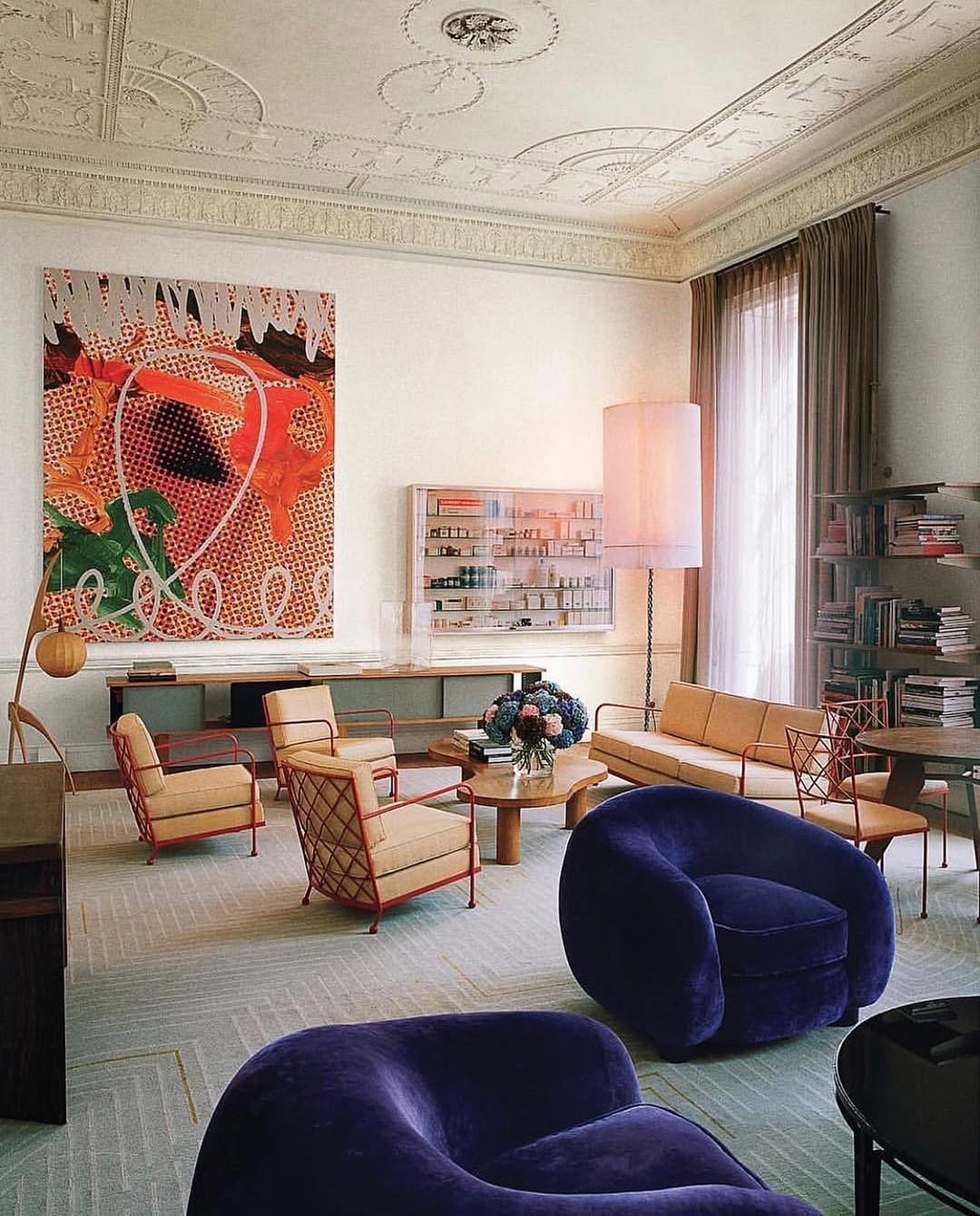
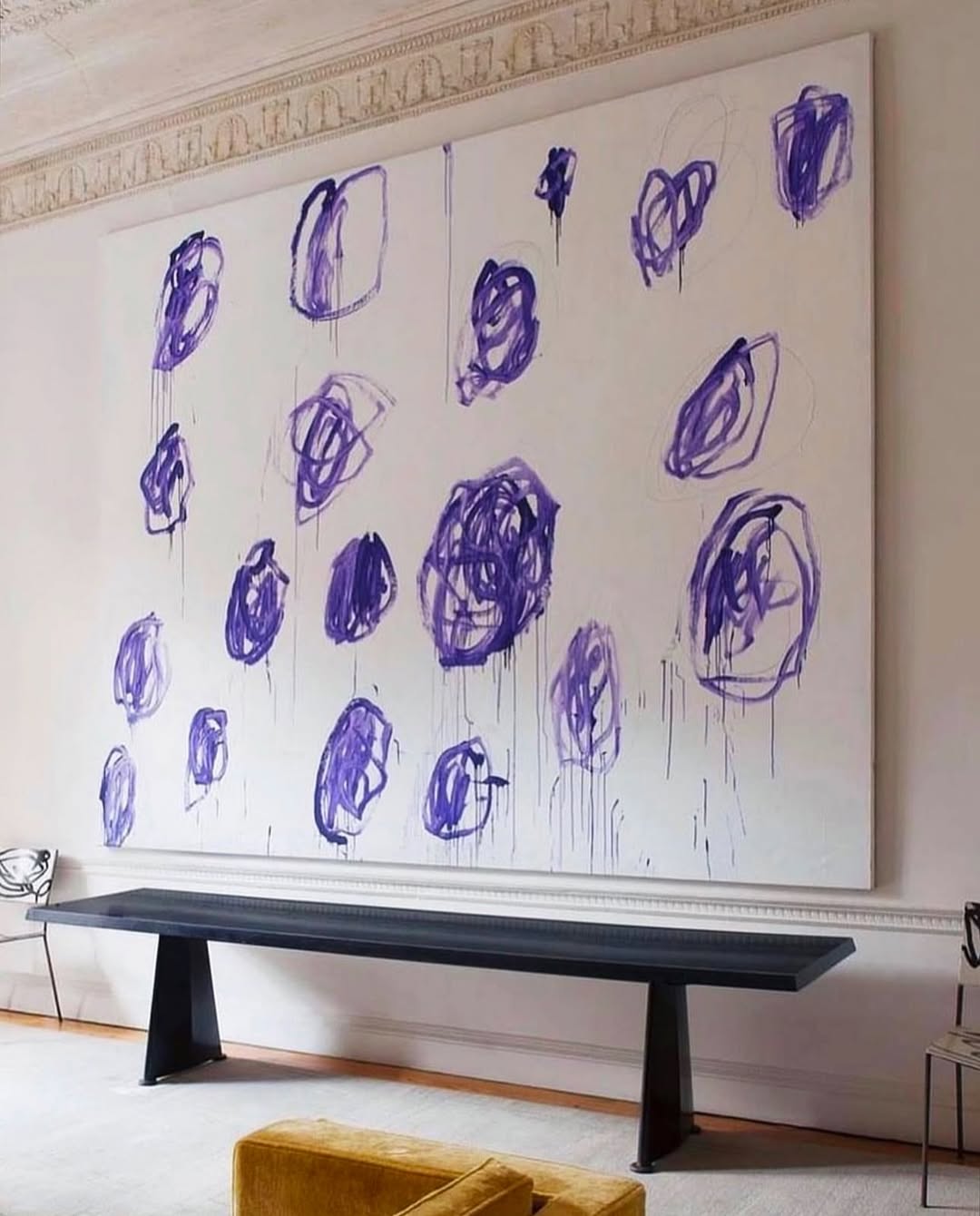
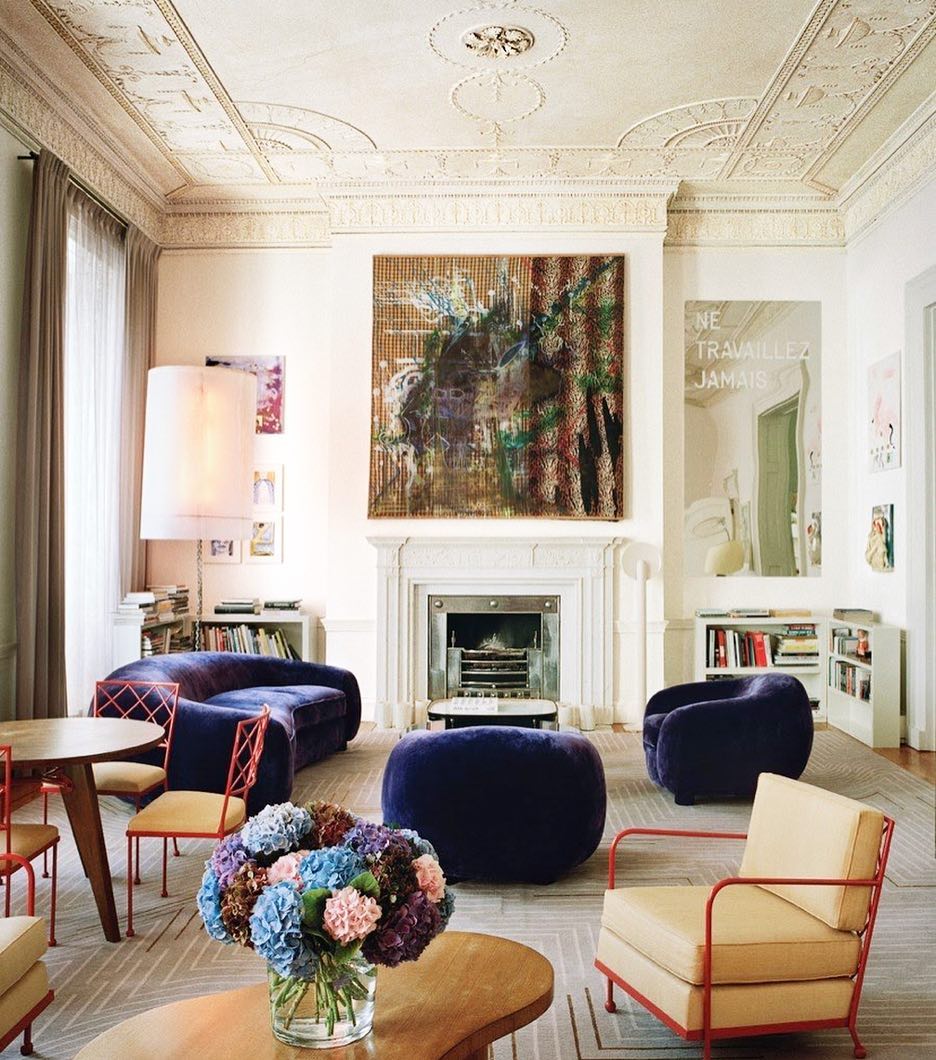
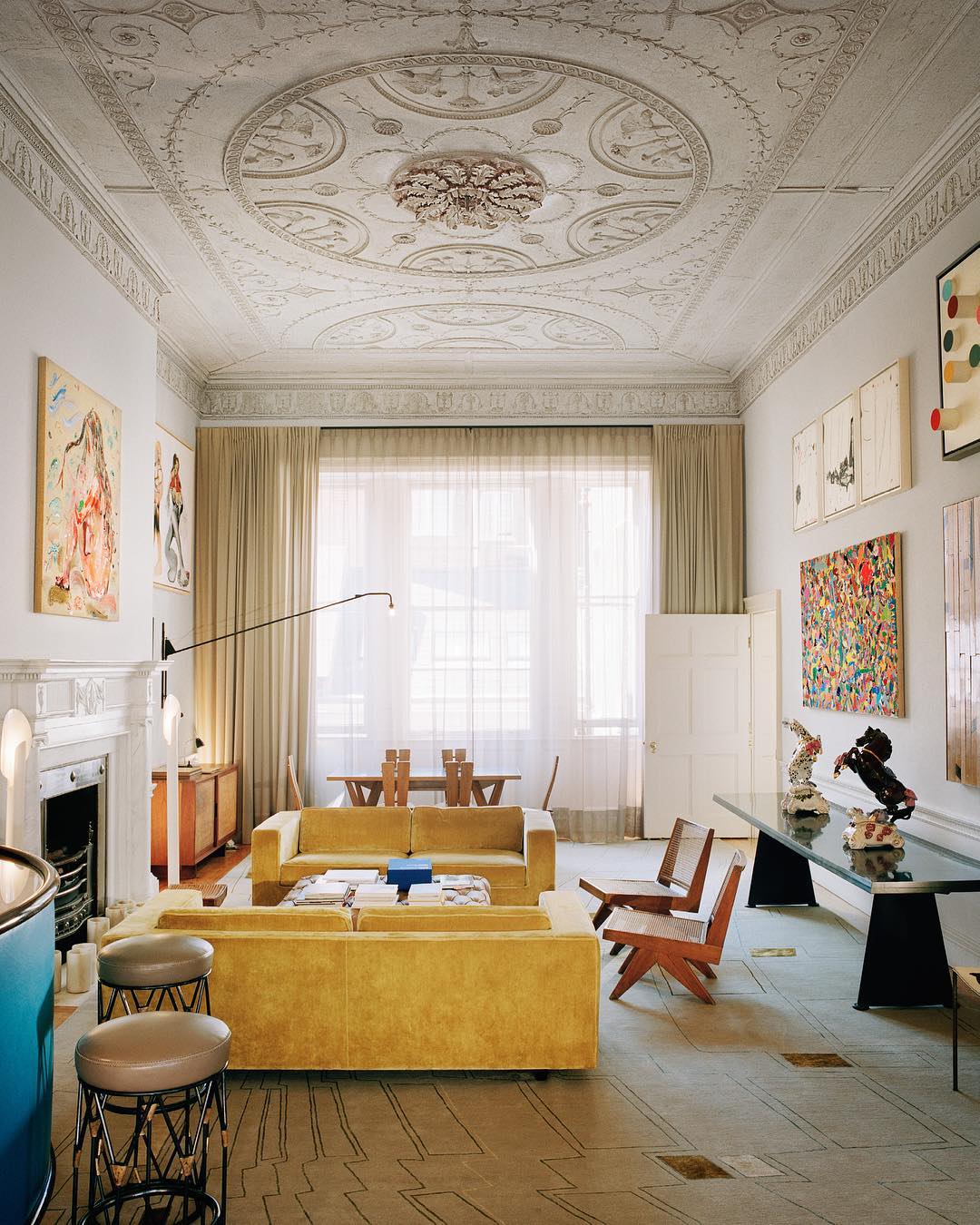
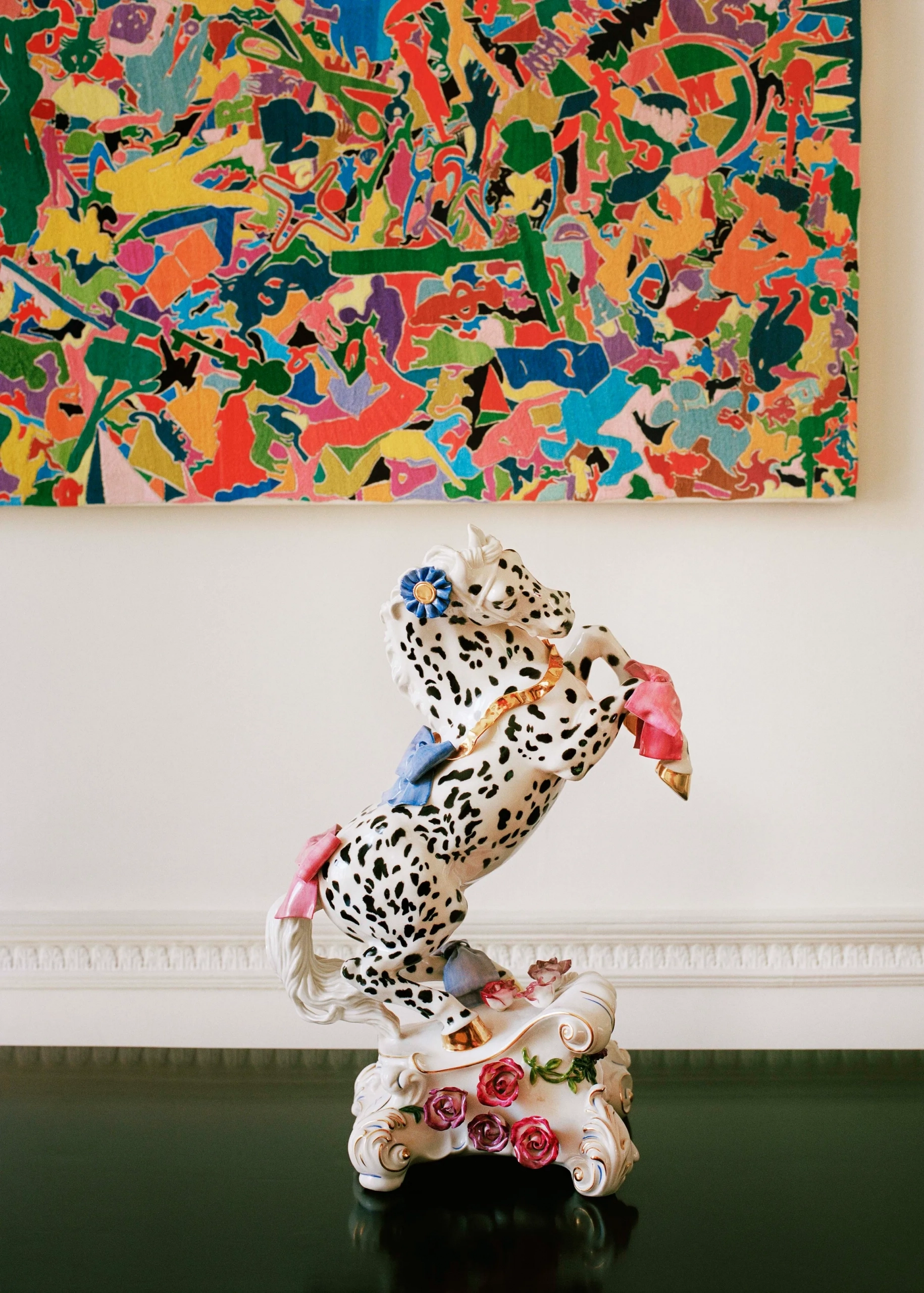
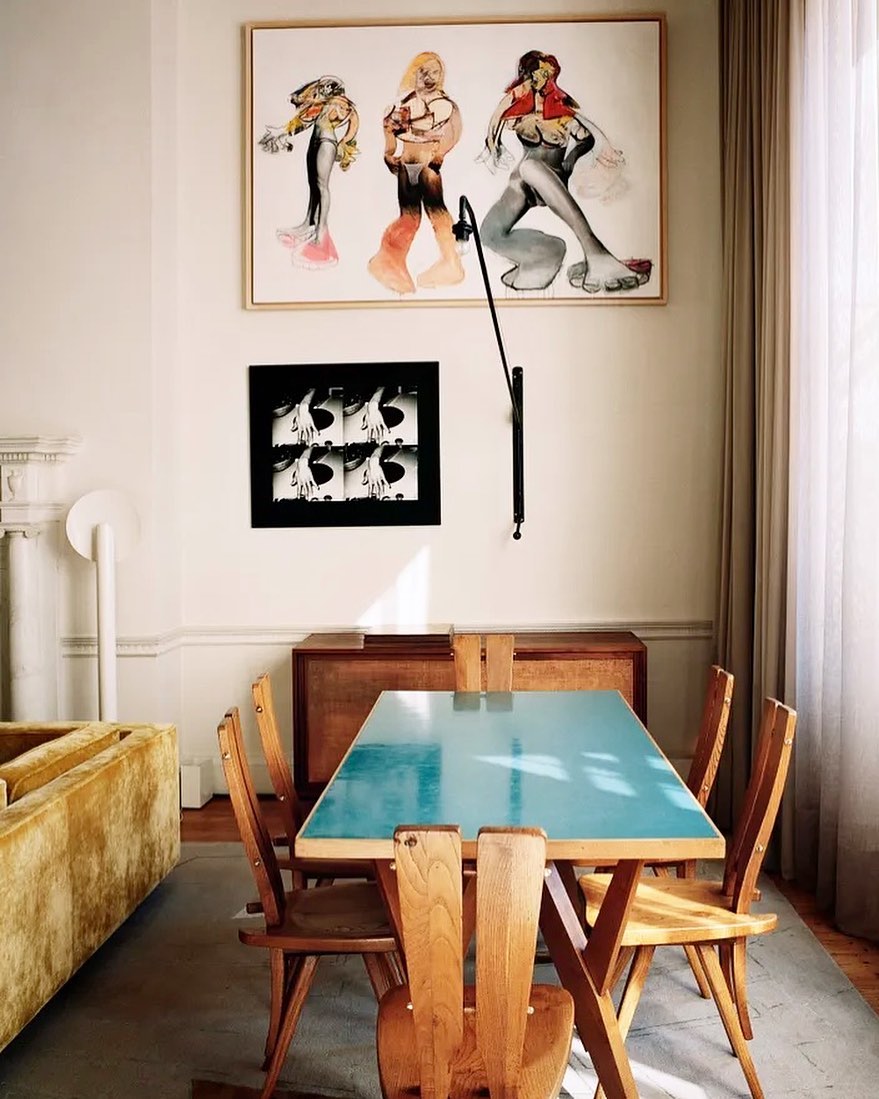
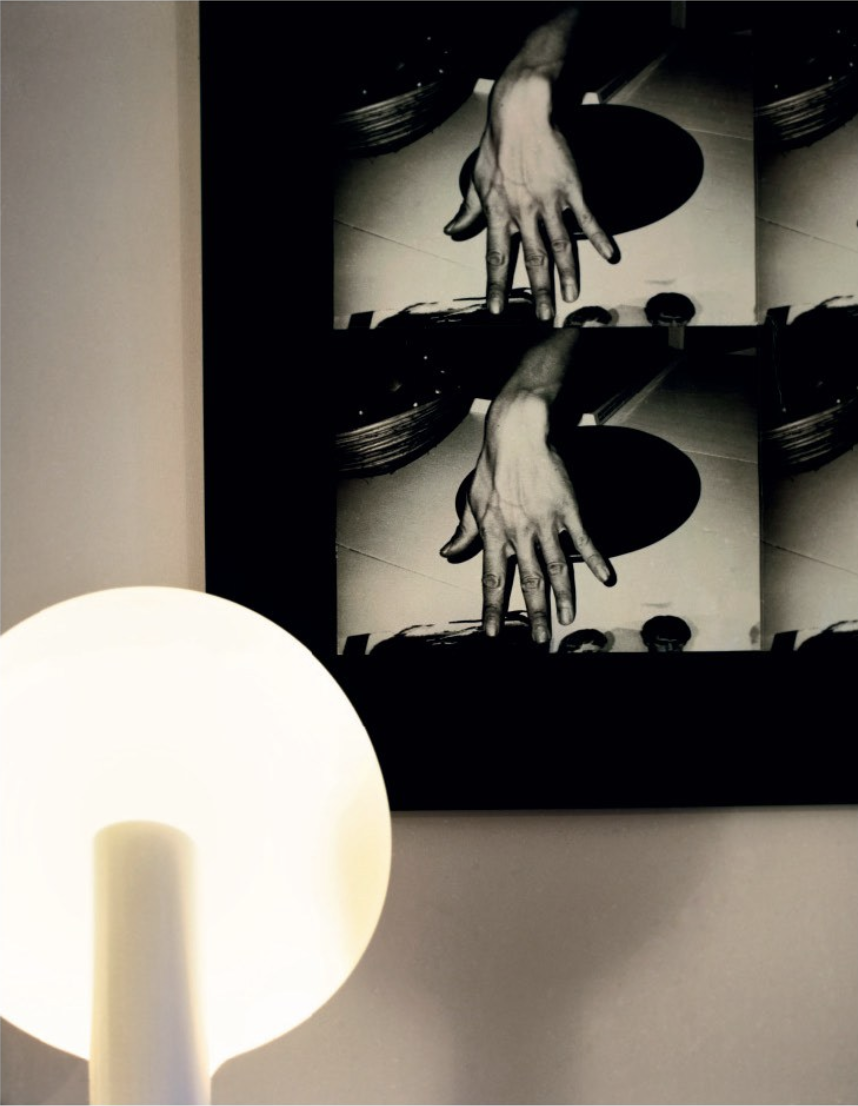
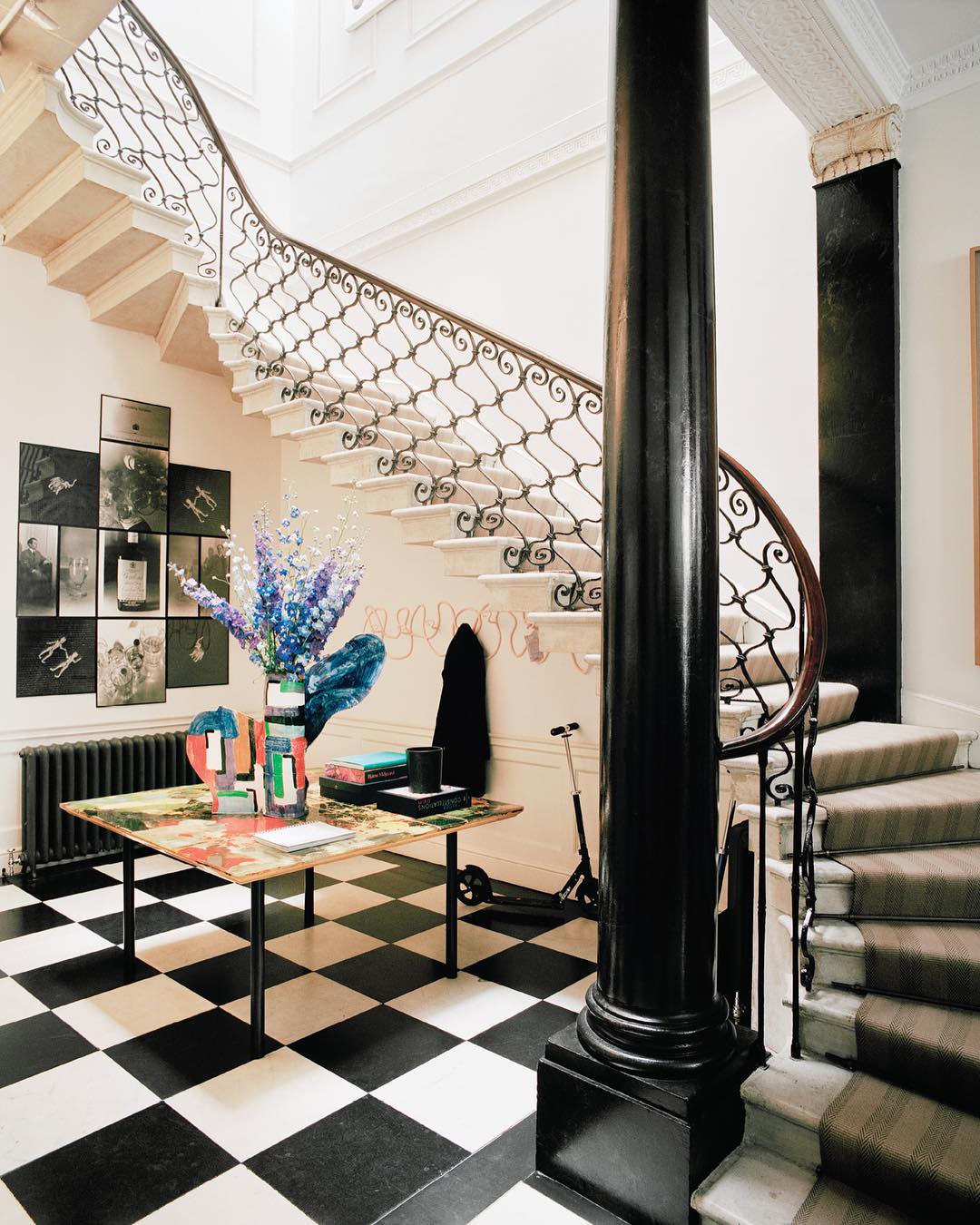
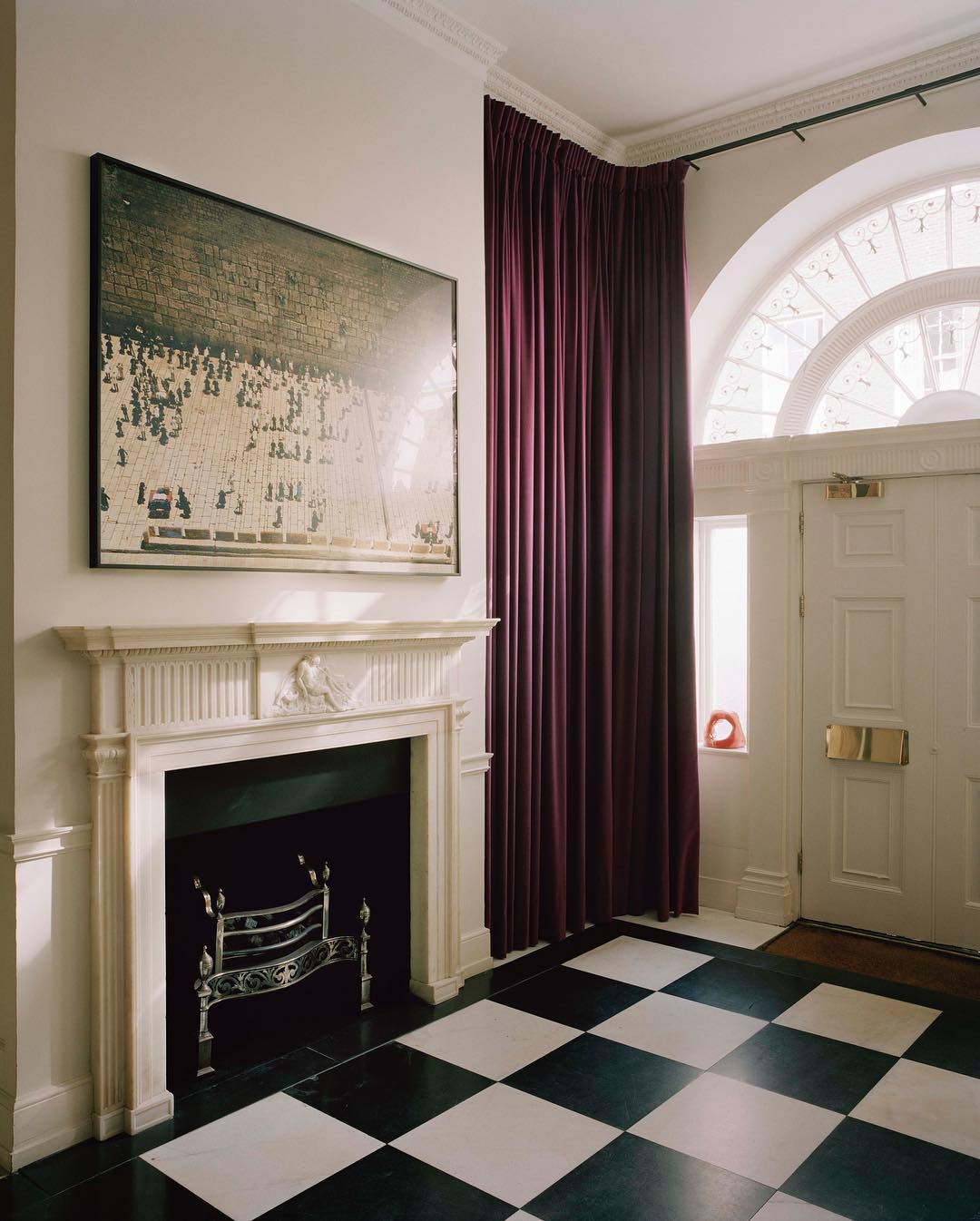
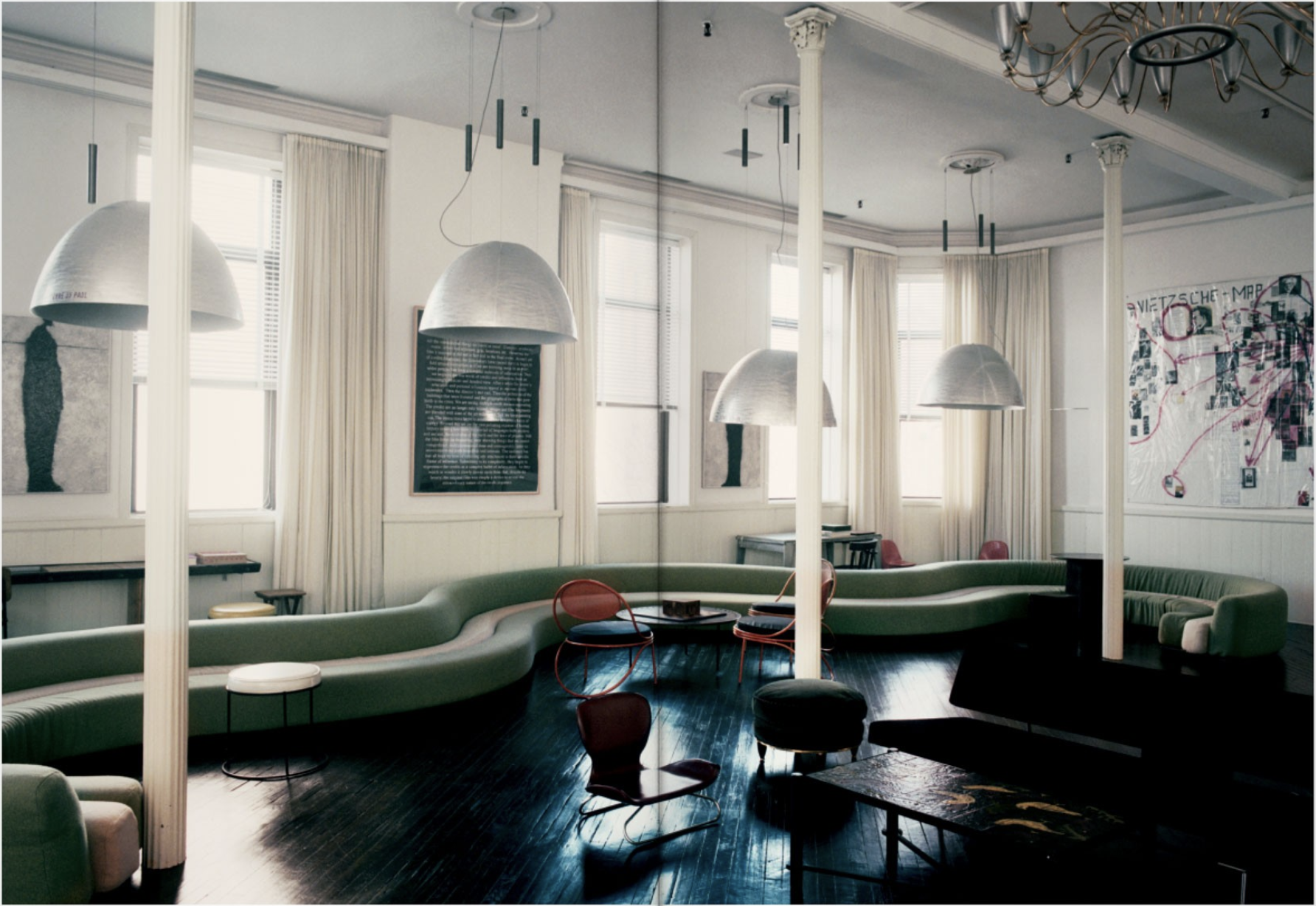
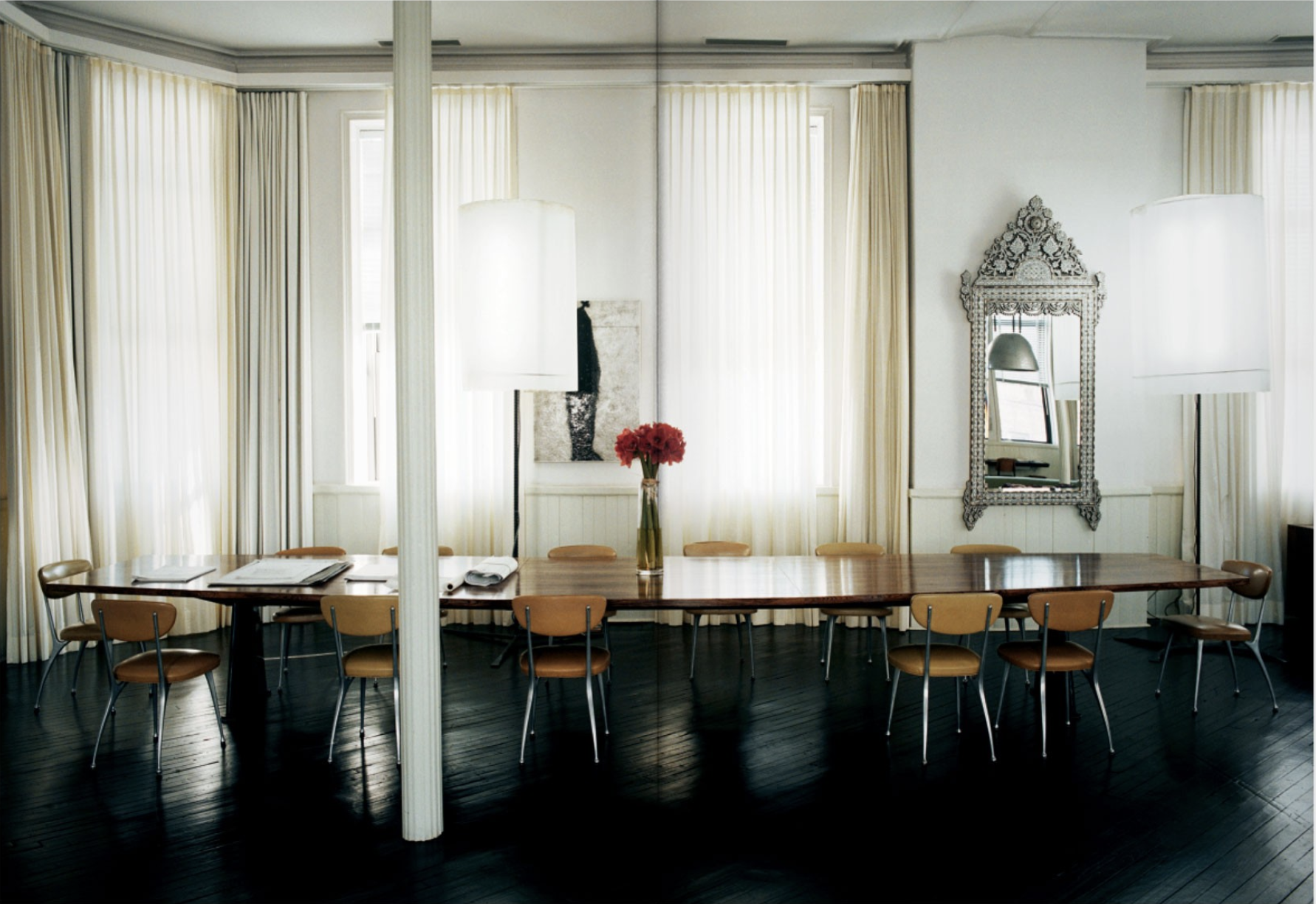
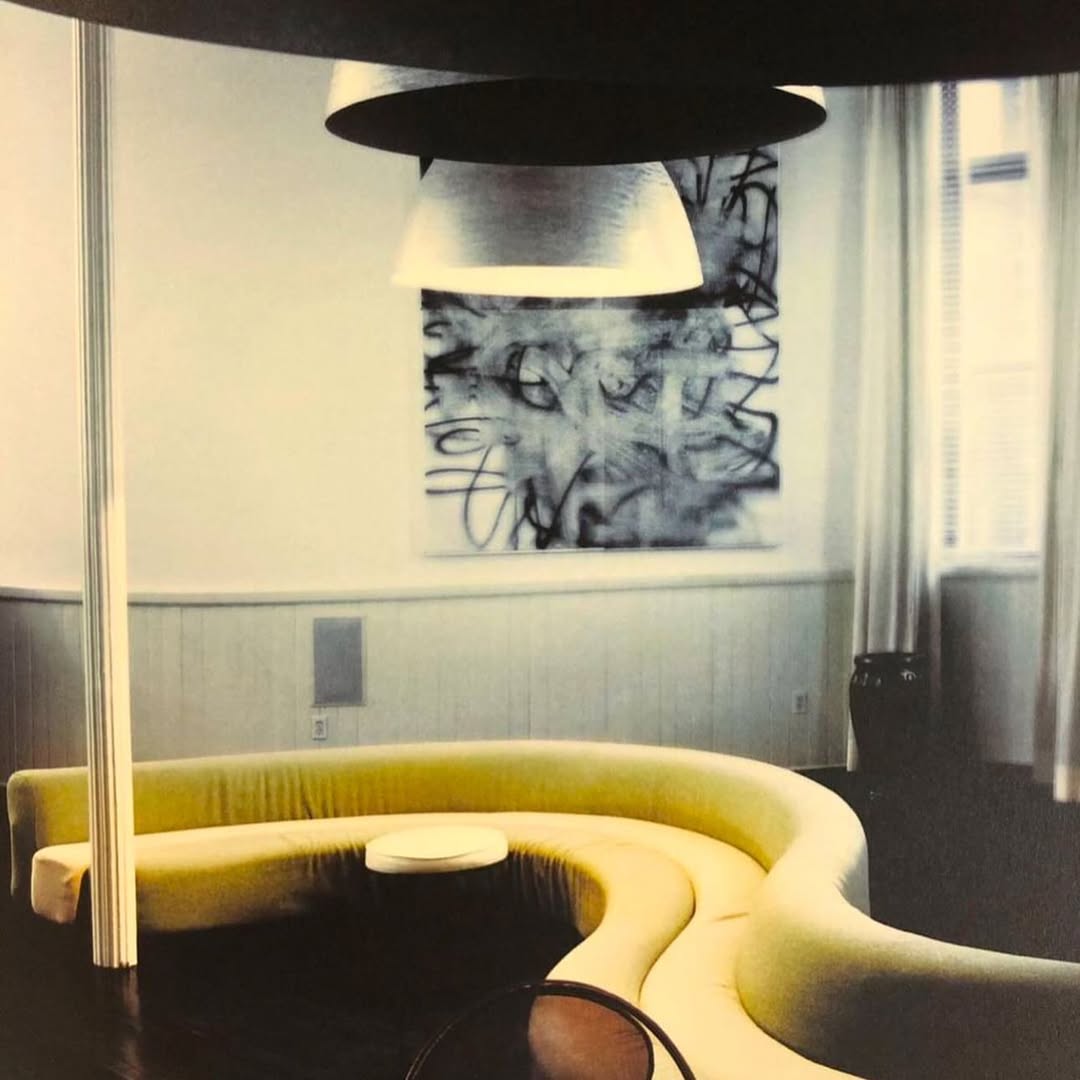
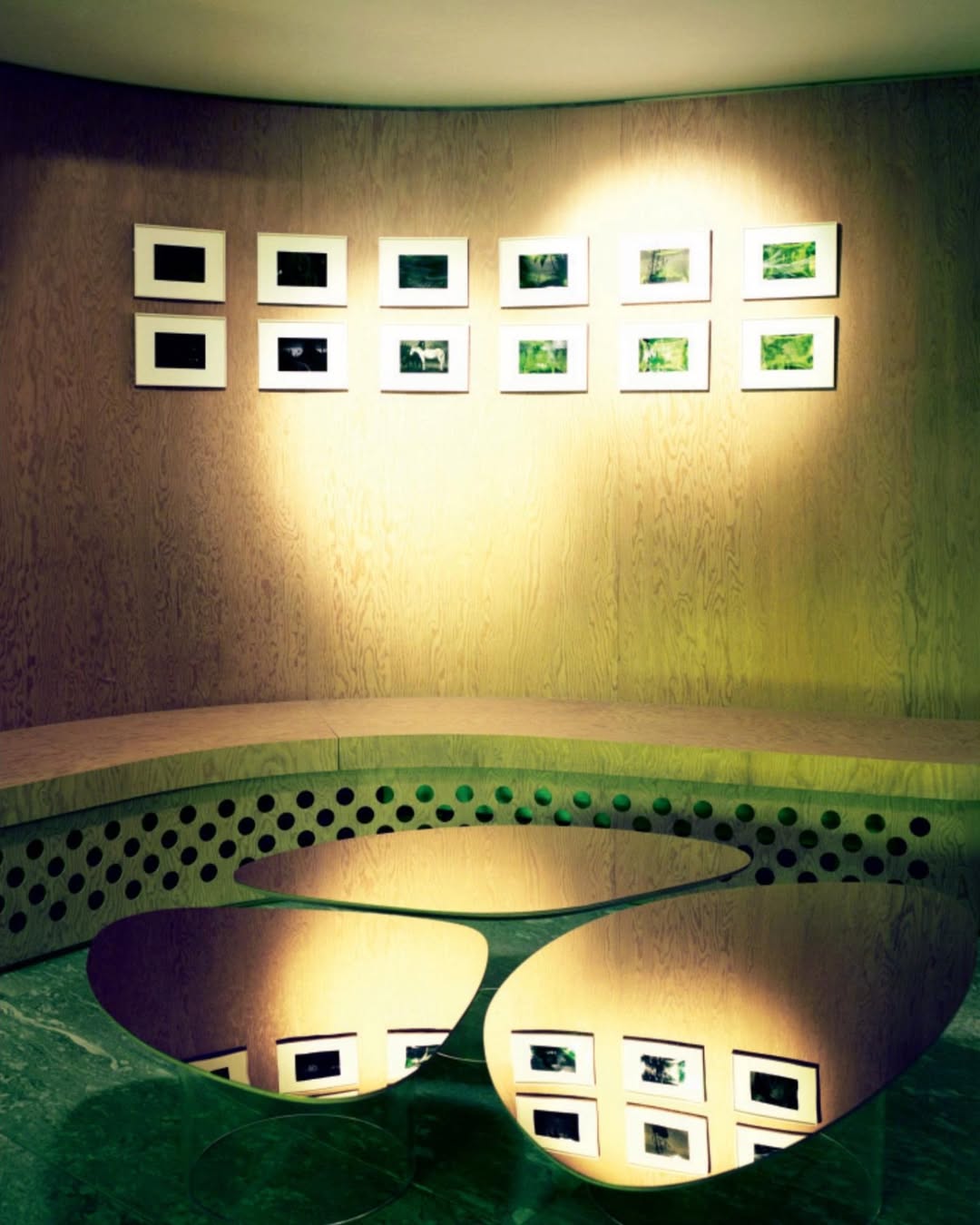
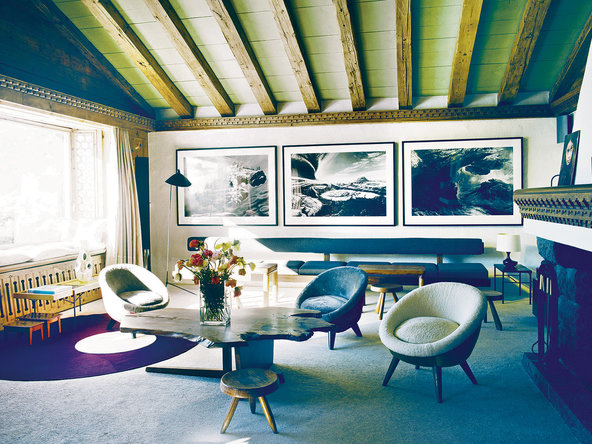
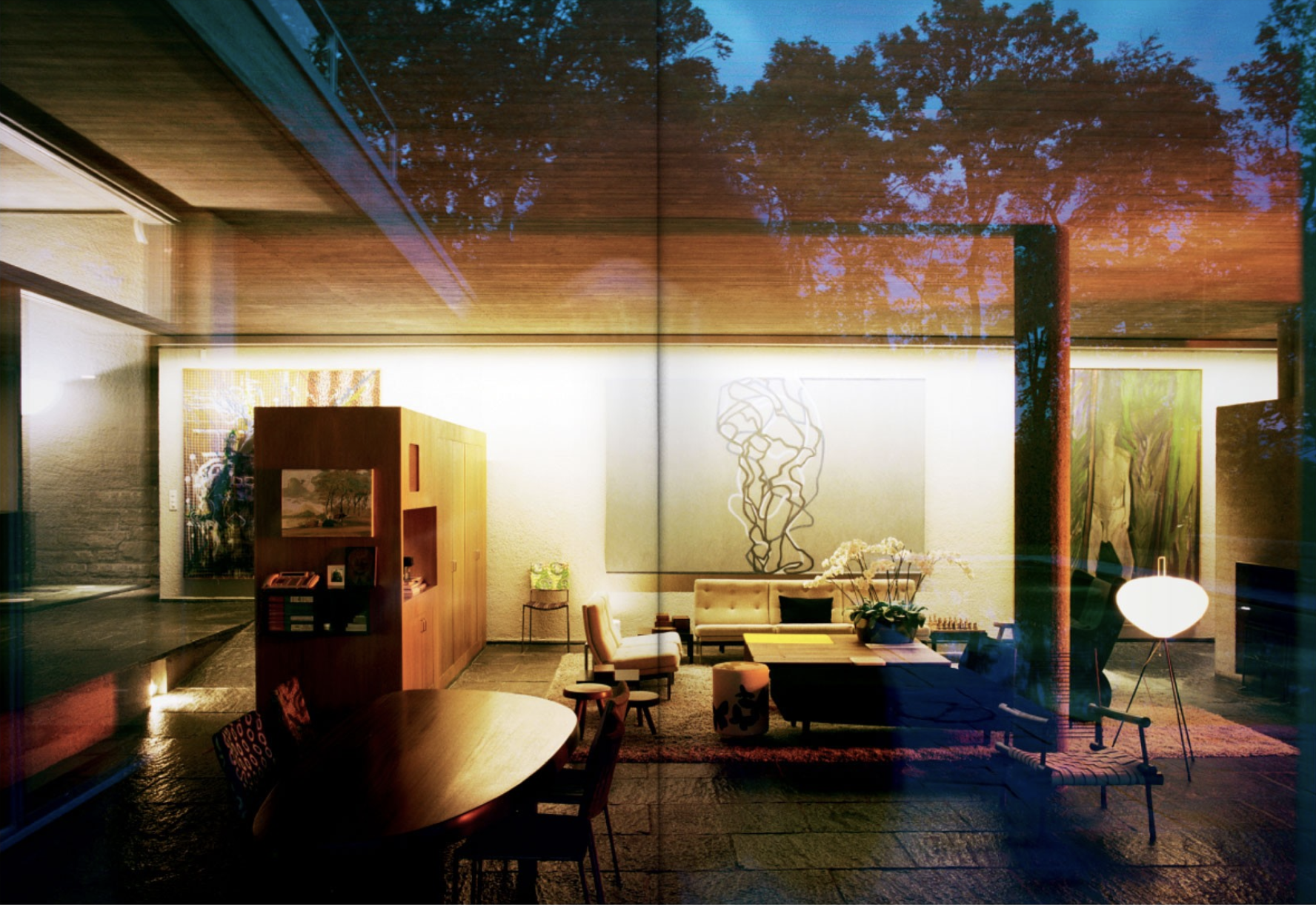
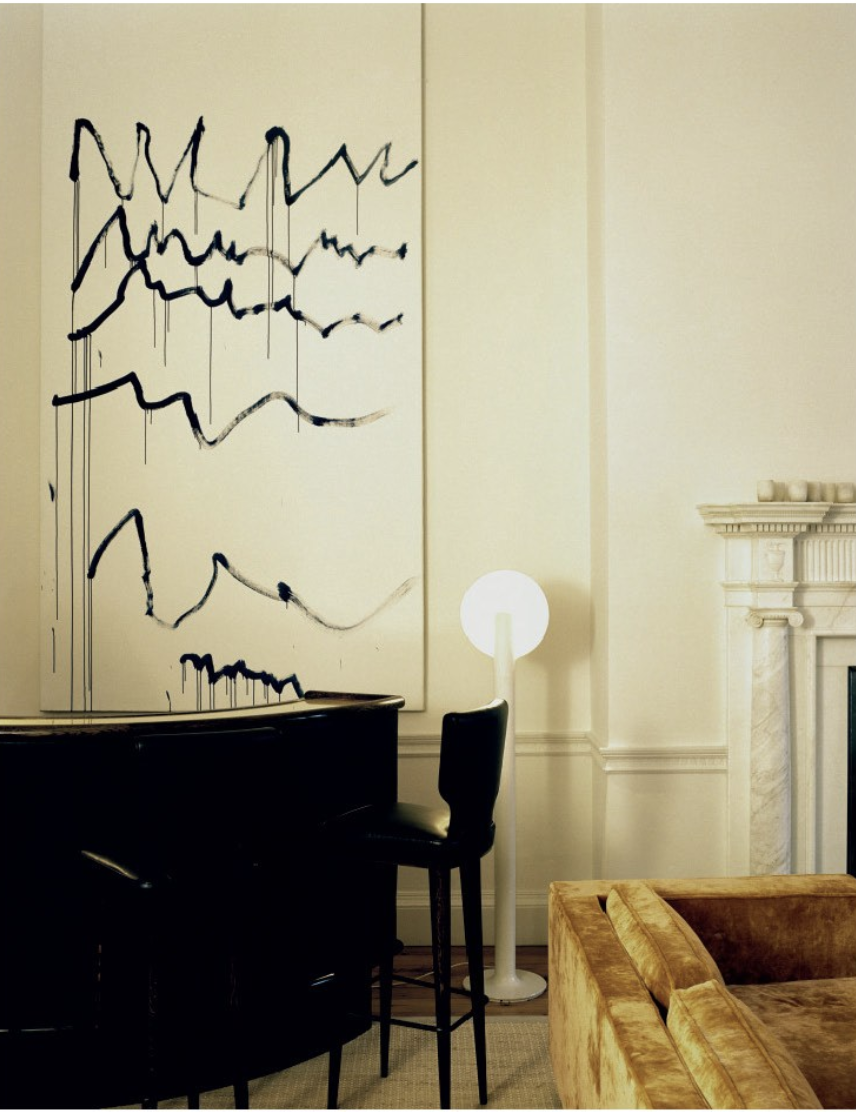
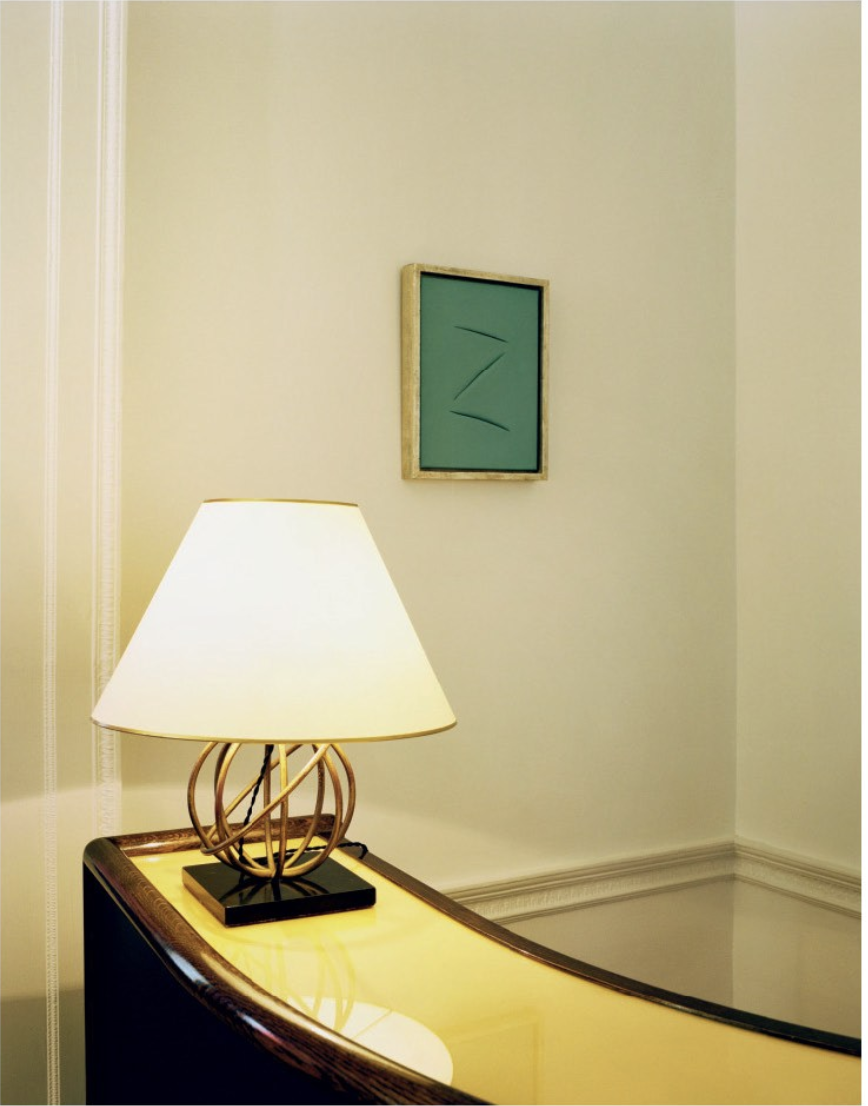
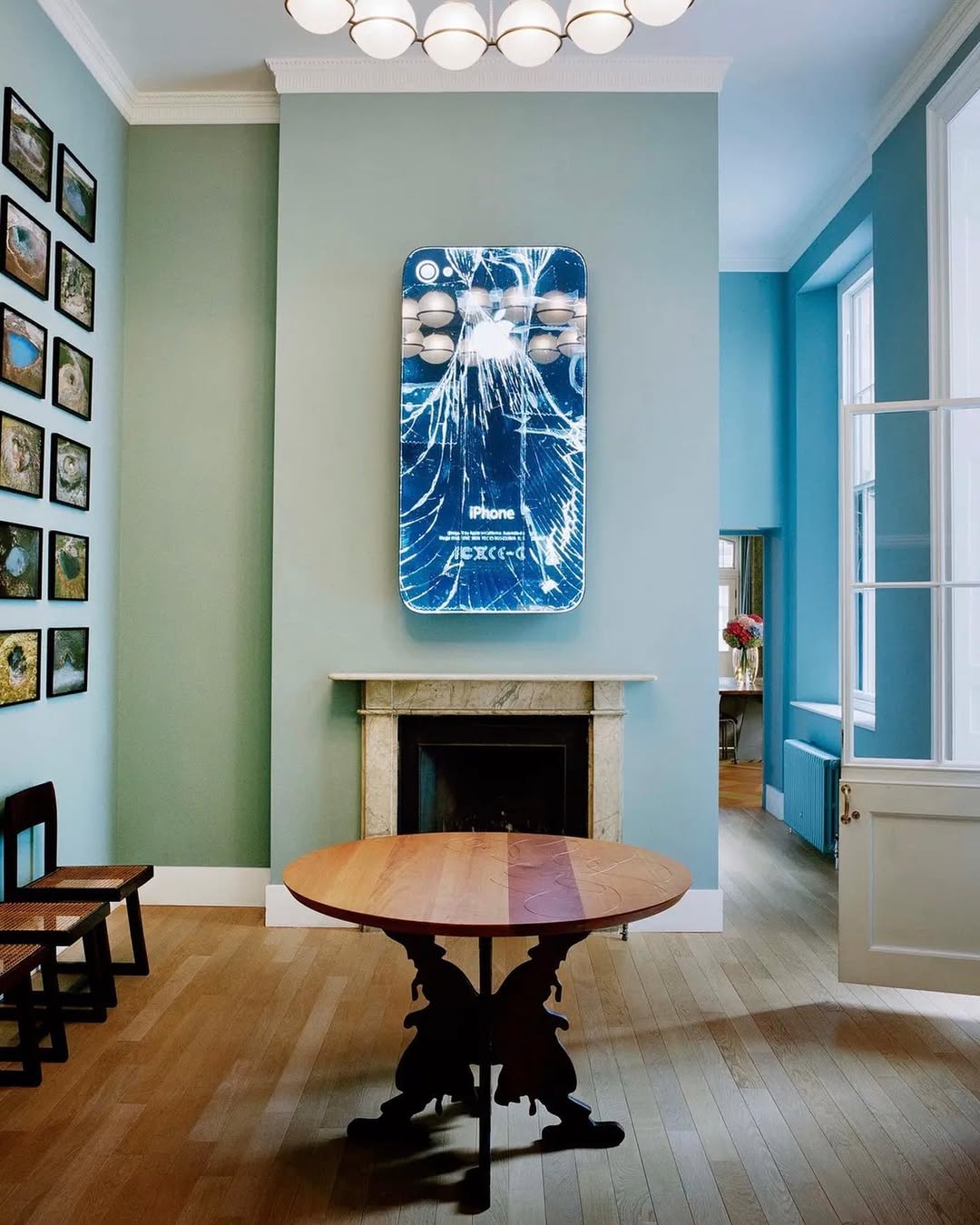
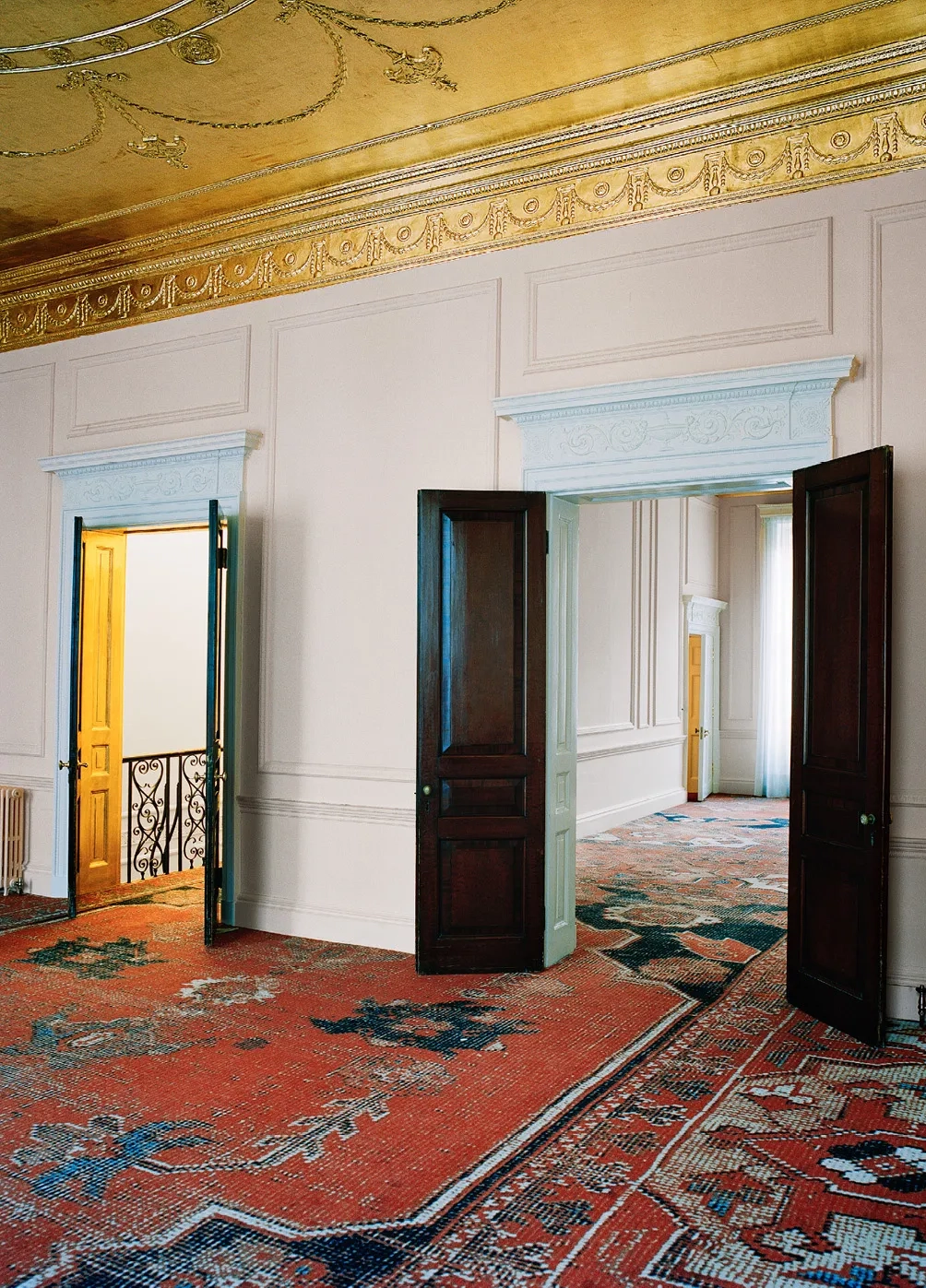
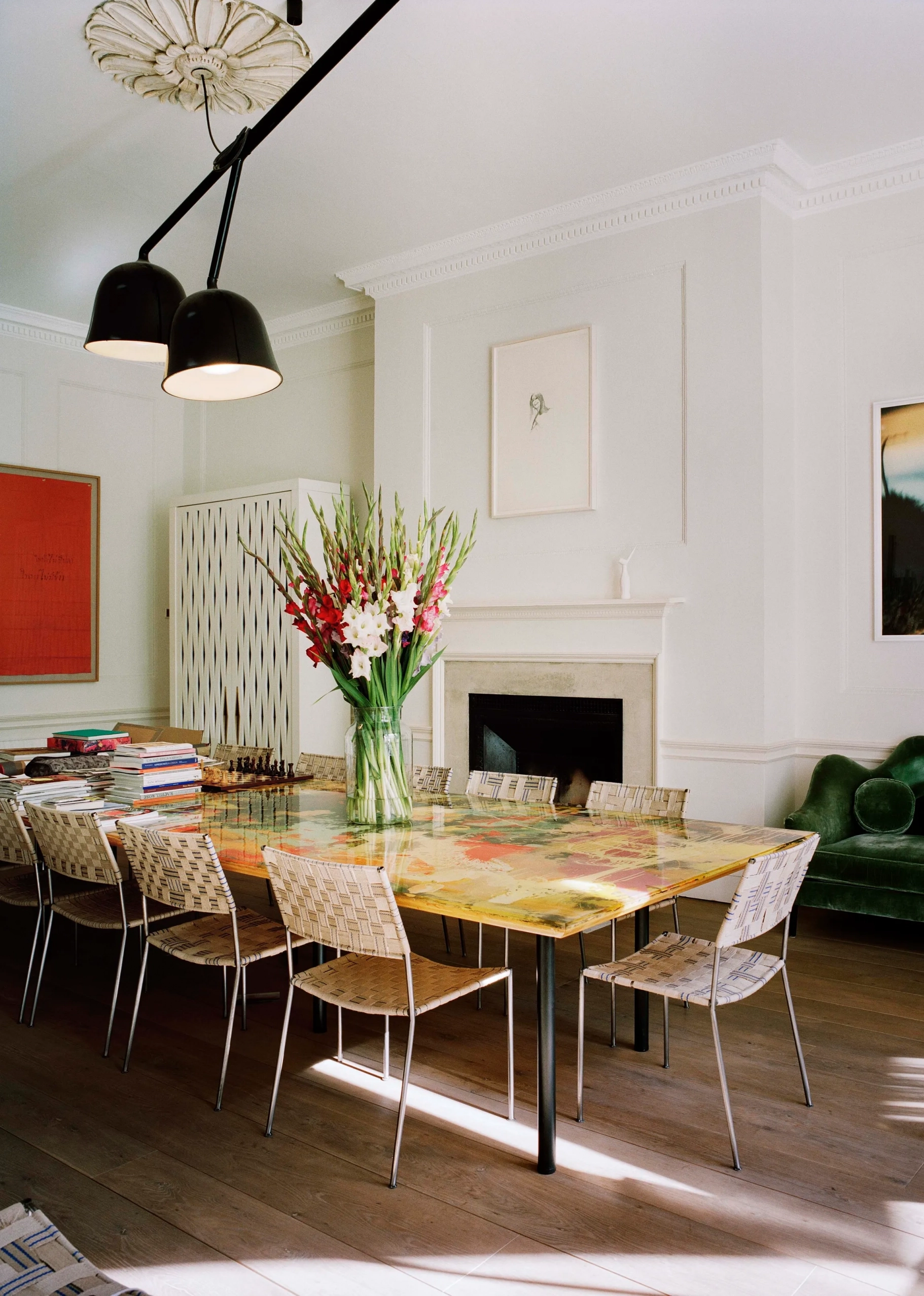
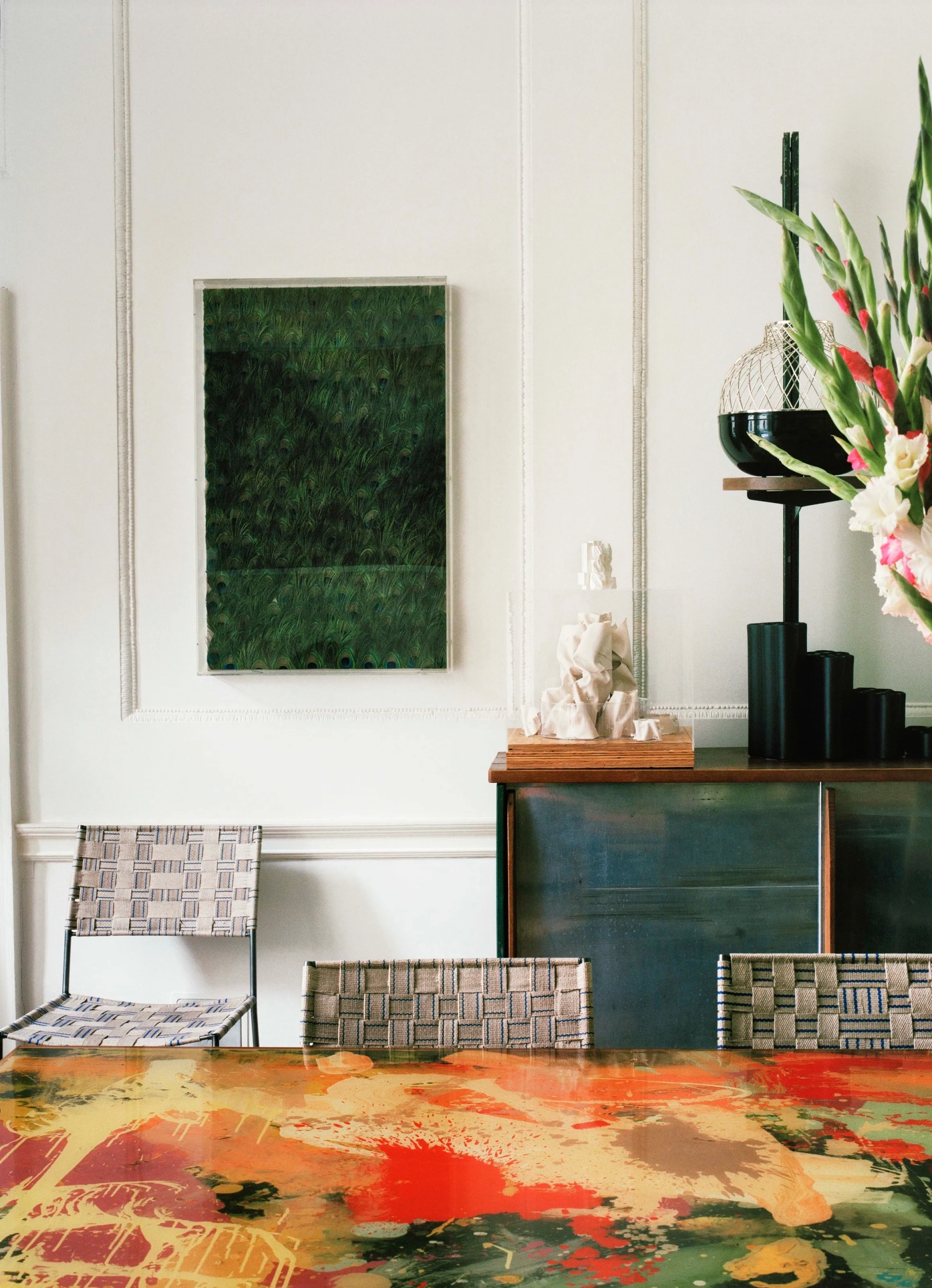
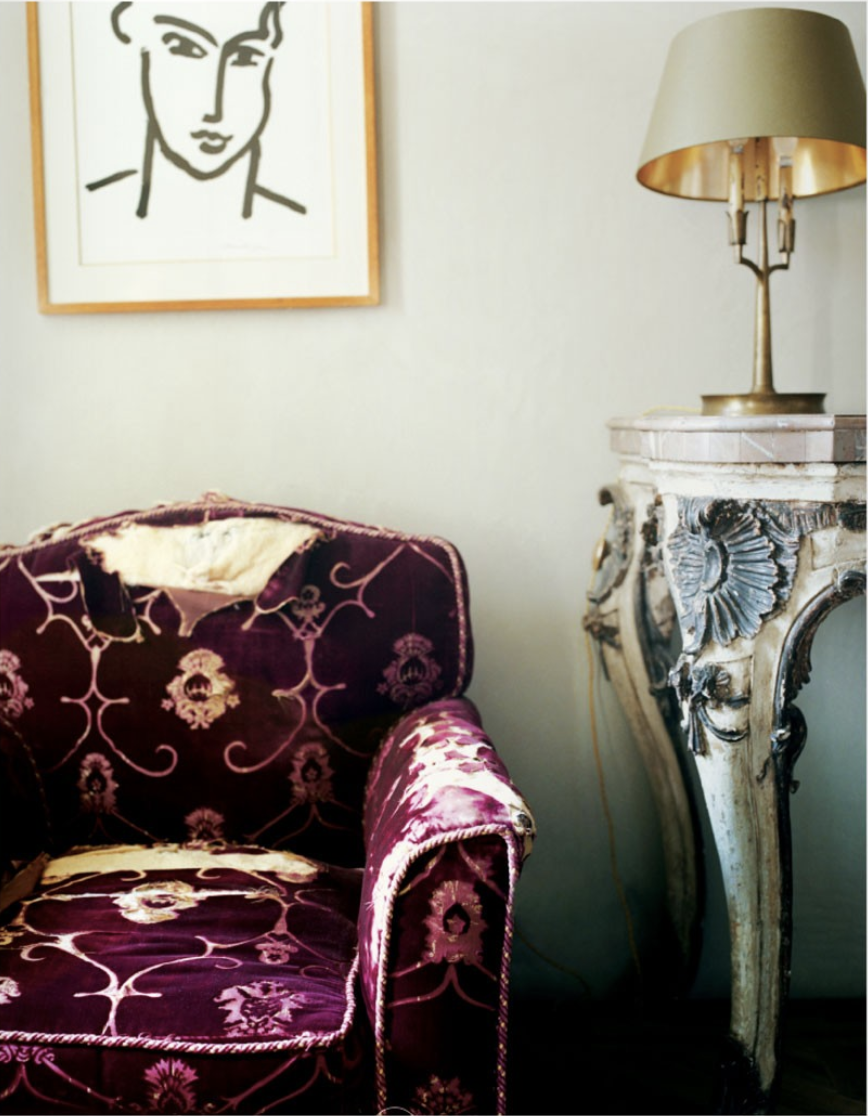
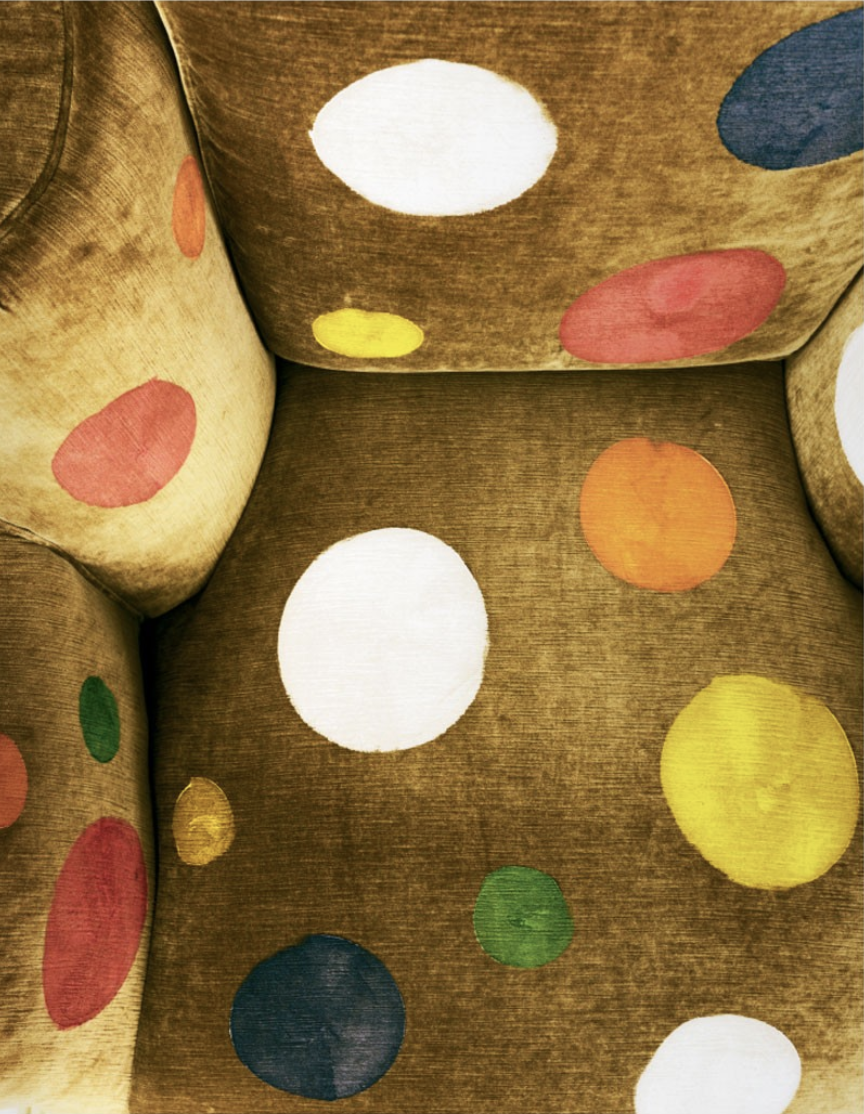
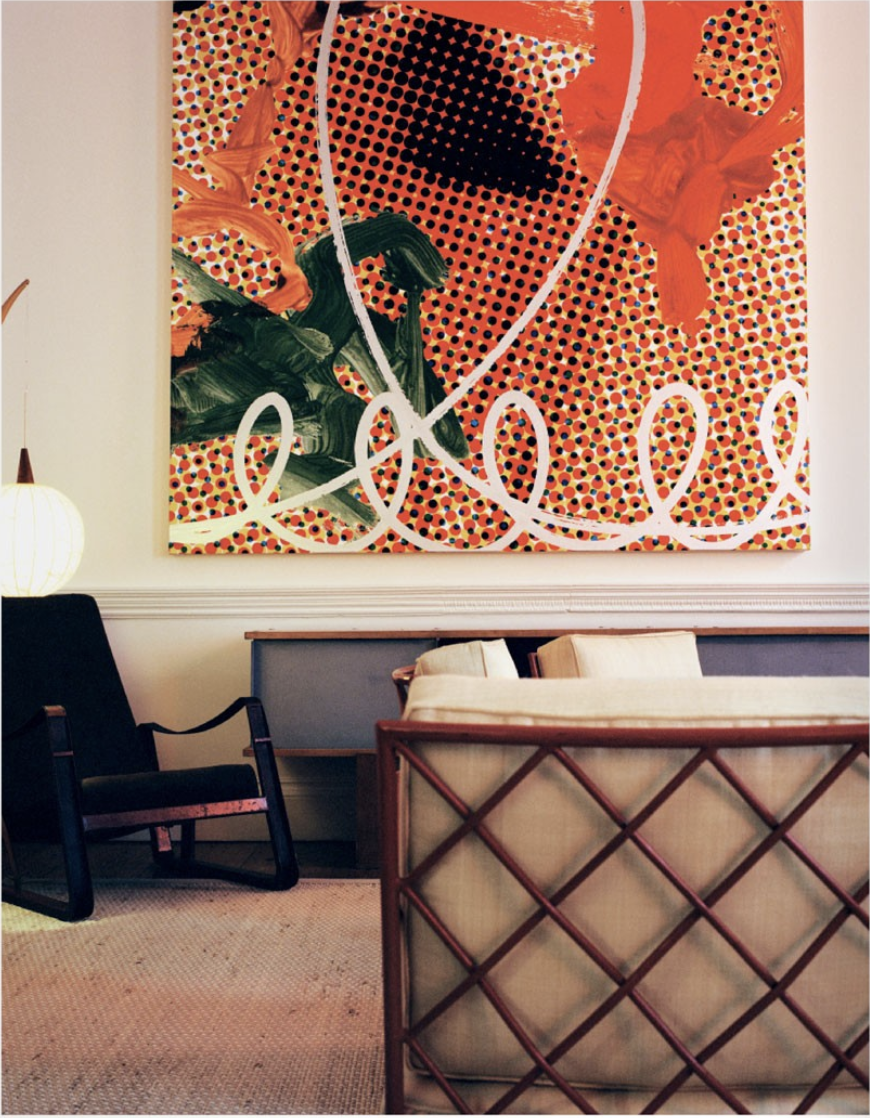
Hoffmann’s homes reflect her childhood desire to be an Architektin von drinnen, an architect of the interior. Her London home, designed by India Mahdavi features high ceilings, light, and lots of color. “There was a time when I was collecting only drawings, and I really loved to hang them myself with small nails and a hammer; it was easy and flexible,” she says. “I’m interested in the house as a living organism.” [6]
SOURCES
[1] “Future Present Exhibition Booklet.” Emanuel Hoffmann Foundation. June 13, 2015 - January 31, 2016
[2] Gerlis, Melanie. “The Generation Game: The Women Behind The Emanuel Hoffmann Foundation.” The Art Newspaper. June 18, 2015
https://www.theartnewspaper.com/2015/06/19/the-generation-game-the-women-behind-the-emanuel-hoffmann-foundation
[3] Solway, Diane. “The Insider.” W. September 1, 2012 https://www.wmagazine.com/story/maja-hoffmann-art-world-maverick
[4] Freeman, Nate. “Maja’s Way.” ArtNews. September 19, 2017
https://www.artnews.com/art-news/news/majas-way-collector-maja-hoffmann-builds-an-iconoclastic-home-for-her-luma-foundation-in-the-south-of-france-8855/
[5] Siegal, Nina. “Maja Hoffmann Fights to Build Her Cultural Capital in Arles, France. The New York Times, October 5, 2018. https://www.nytimes.com/2018/10/05/arts/design/arles-france-maja-hoffmann.html
[6] Hoffmann Maja, Mostafavi, Mohsen. “Living Organisms.” Harvard Design Magazine. 2019
https://www.harvarddesignmagazine.org/articles/living-organisms/
Hoffmann is the great-granddaughter of Fritz Hoffmann-La Roche, who founded the pharmaceutical enterprise Hoffmann-La Roche. Her grandparents were businessman Emanuel Hoffmann and sculptor Maja Hoffmann-Stehlin. They began collecting artworks by Marc Chagall, Hans Arp, Max Ernst, and others while living in Brussels in the 1920s, advised by the dealer Walter Schwarzenberg. [1]
Emanuel died in 1932 after a road accident. The following year, Maja (who became Maja Sacher when she remarried) established the Emanuel Hoffmann Foundation (EHF) with the mission of collecting, conserving, and displaying contemporary art. Since 2003, works held by the EHF have been displayed in open storage at The Schaulager, a Basel “viewing warehouse” established by Hoffmann’s cousin, Maja Oeri. [2]
Hoffmann is the daughter of Daria Hoffmann-Razumovsky, a Russian countess, and Luc Hoffmann, a conservationist who co-founded the World Wildlife Fund. Hoffmann was raised in Arles, and her understanding of art was informed by trips to her grandmother’s Basel estate. “There were discoveries all the time—James Ensor’s Le Masque Arraché, Aristide Maillol’s big naked statues of women in the garden,” Hoffmann says. [3]
Hoffmann began collecting art in the 1980s alongside her then-partner, Swiss theater director Werner Düggelin, one of the few non-family members on the EHF board. Together, the two obtained works for the Foundation from Julian Schnabel, Jean-Michel Basquiat, Francesco Clemente, Andy Warhol, and others (Warhol once made a portrait of Hoffmann’s grandmother).
Hoffmann sits on the boards of half a dozen major museums and galleries, including the New Museum and the Swiss Institute in New York, the Serpentine Gallery in London, and the Kunsthalle Zurich. Her father helped initiate plans for the Fondation Vincent van Gogh Arles, and Hoffmann helped see the museum to fruition. She remains its president.
In 2004, Hoffmann established the LUMA Foundation. The Zurich-based nonprofit produces, supports, and funds artistic projects exploring issues related to the environment, human rights, education, and culture. [4] Her most ambitious project has been Luma Arles, a Frank Gehry-designed cultural complex that houses exhibition and installation spaces; an archive; a residence and rehearsal studio for artists and performers; a design and research laboratory; and more. [5]
Hoffmann’s homes reflect her childhood desire to be an Architektin von drinnen, an architect of the interior. Her London home, designed by India Mahdavi features high ceilings, light, and lots of color. “There was a time when I was collecting only drawings, and I really loved to hang them myself with small nails and a hammer; it was easy and flexible,” she says. “I’m interested in the house as a living organism.” [6]
SOURCES
[1] “Future Present Exhibition Booklet.” Emanuel Hoffmann Foundation. June 13, 2015 - January 31, 2016
[2] Gerlis, Melanie. “The Generation Game: The Women Behind The Emanuel Hoffmann Foundation.” The Art Newspaper. June 18, 2015
https://www.theartnewspaper.com/2015/06/19/the-generation-game-the-women-behind-the-emanuel-hoffmann-foundation
[3] Solway, Diane. “The Insider.” W. September 1, 2012 https://www.wmagazine.com/story/maja-hoffmann-art-world-maverick
[4] Freeman, Nate. “Maja’s Way.” ArtNews. September 19, 2017
https://www.artnews.com/art-news/news/majas-way-collector-maja-hoffmann-builds-an-iconoclastic-home-for-her-luma-foundation-in-the-south-of-france-8855/
[5] Siegal, Nina. “Maja Hoffmann Fights to Build Her Cultural Capital in Arles, France. The New York Times, October 5, 2018. https://www.nytimes.com/2018/10/05/arts/design/arles-france-maja-hoffmann.html
[6] Hoffmann Maja, Mostafavi, Mohsen. “Living Organisms.” Harvard Design Magazine. 2019
https://www.harvarddesignmagazine.org/articles/living-organisms/
Image: Detail of Jeff Koons' “Hole II” (2008)
11.12.2025