The Collector: Paul Guillaume
The Collector: Paul Guillaume
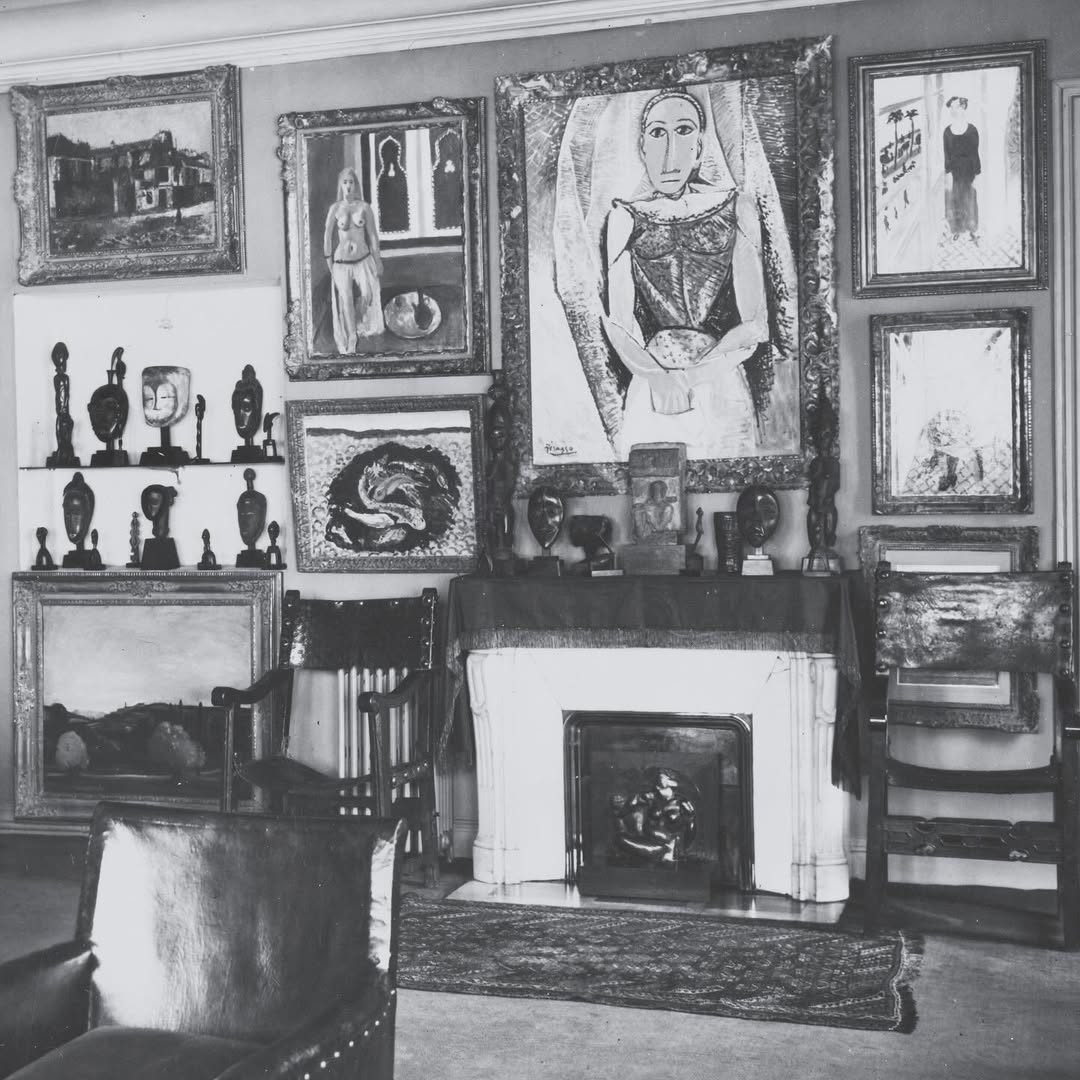
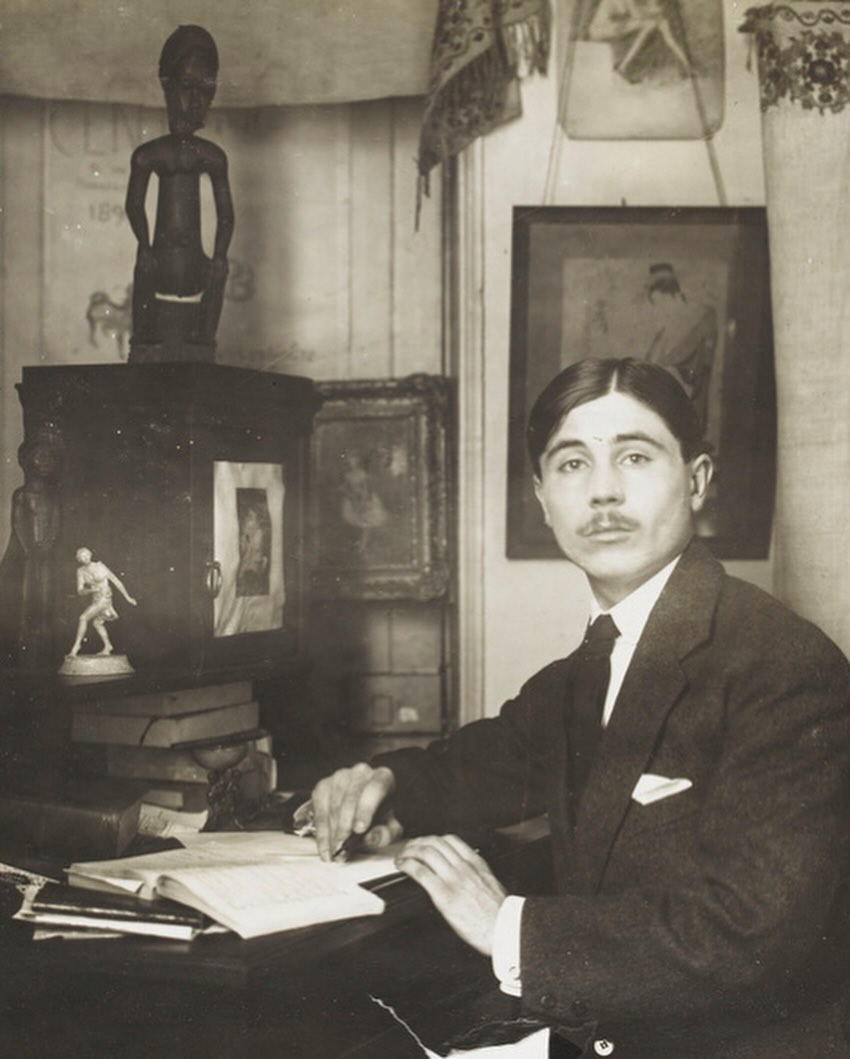
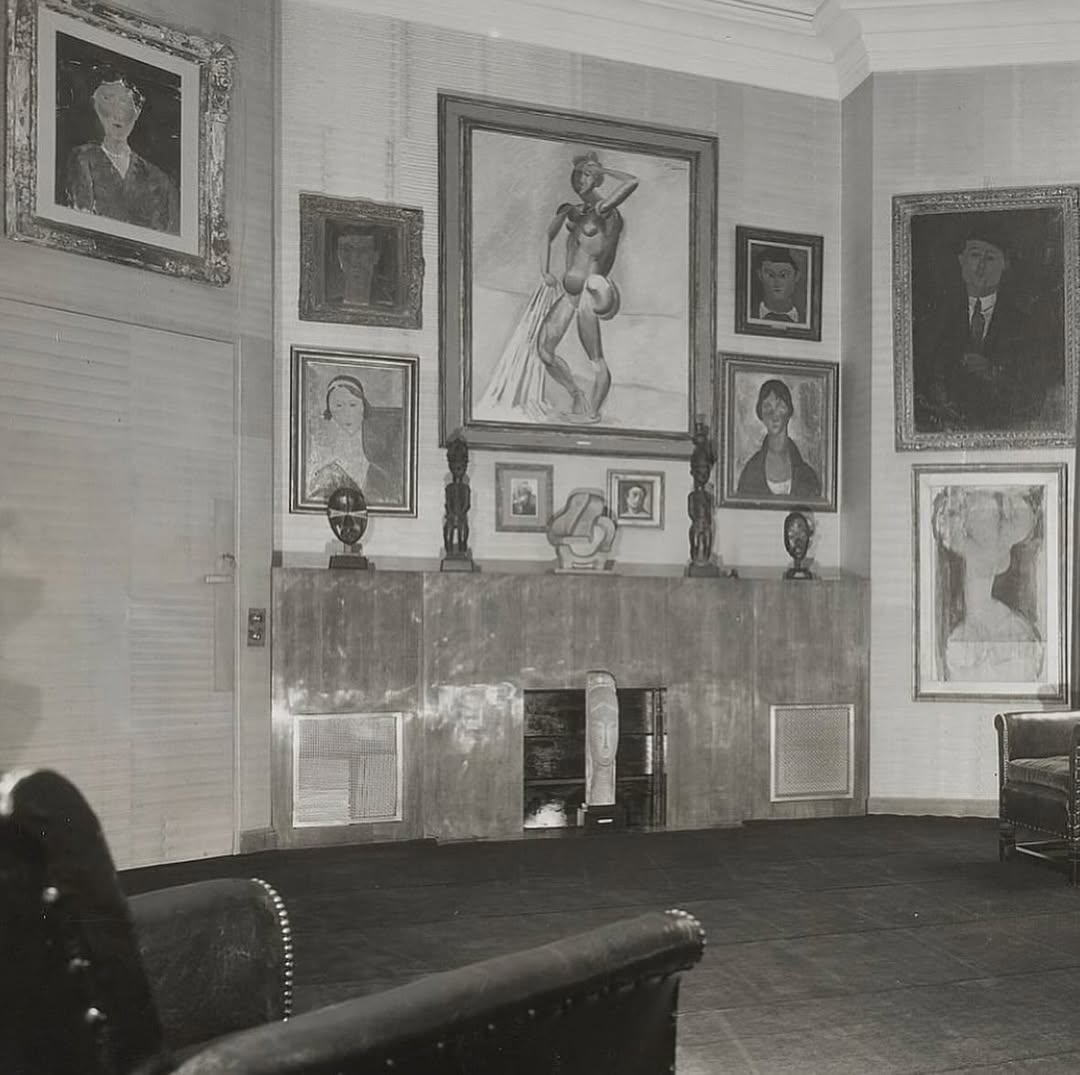
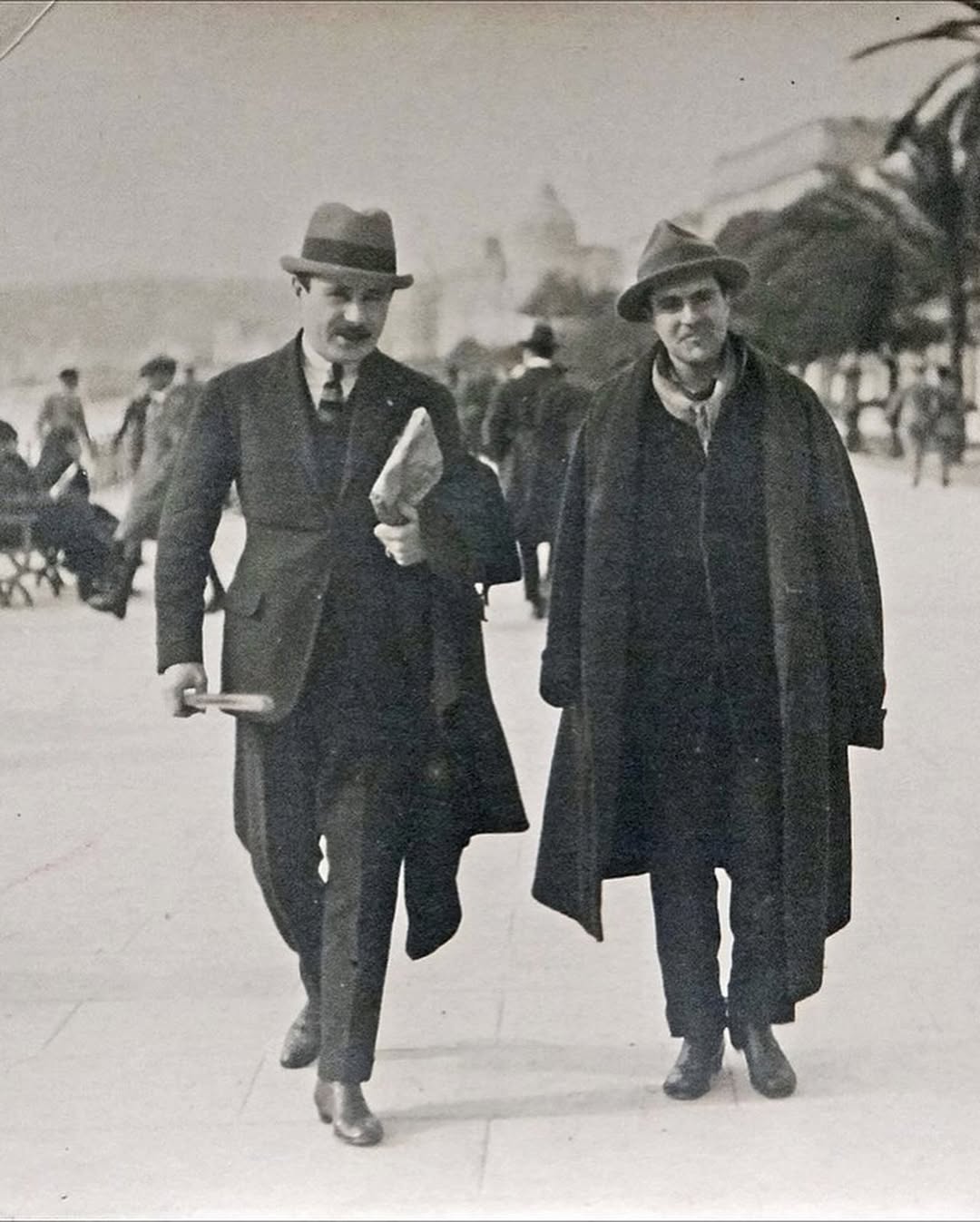
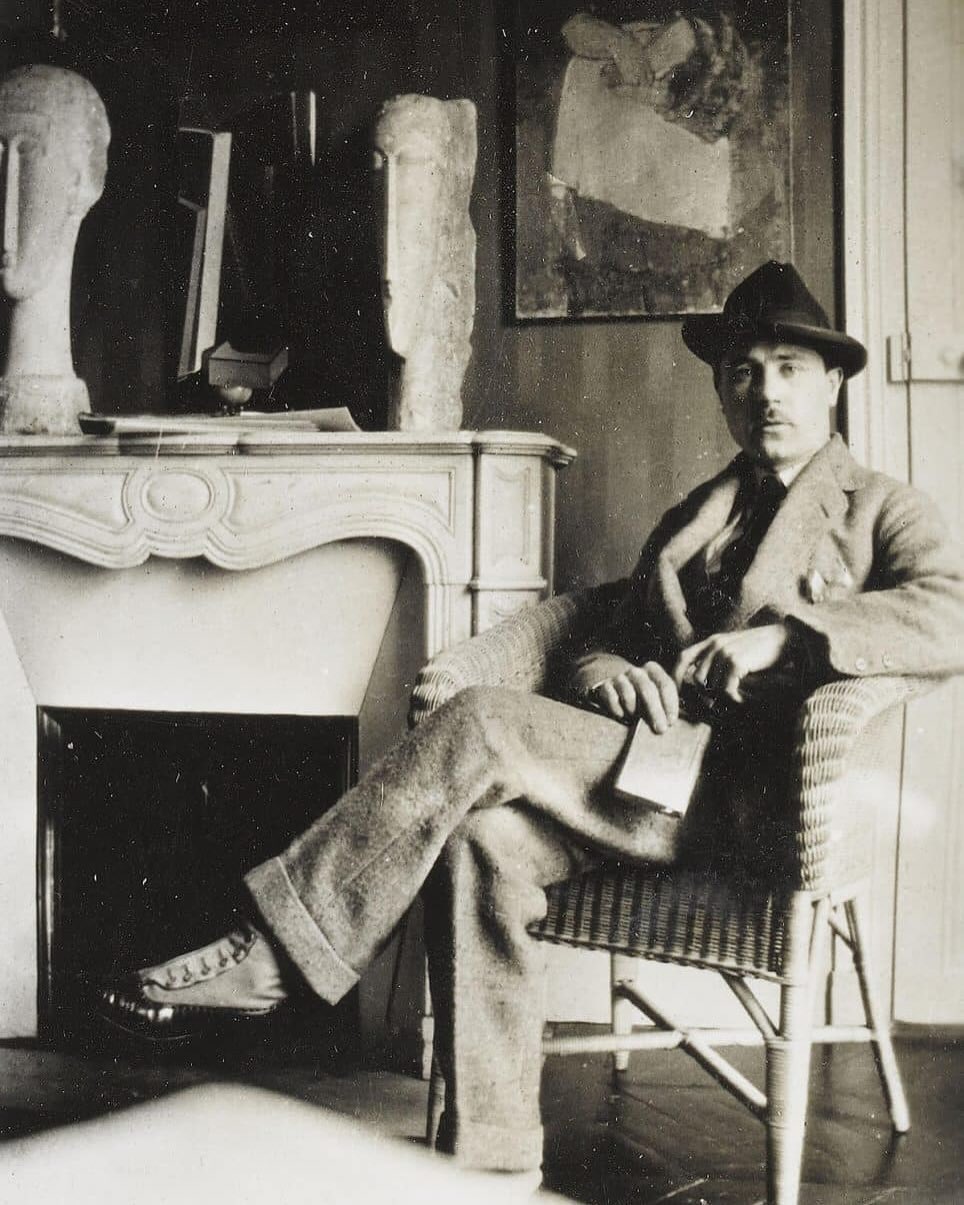
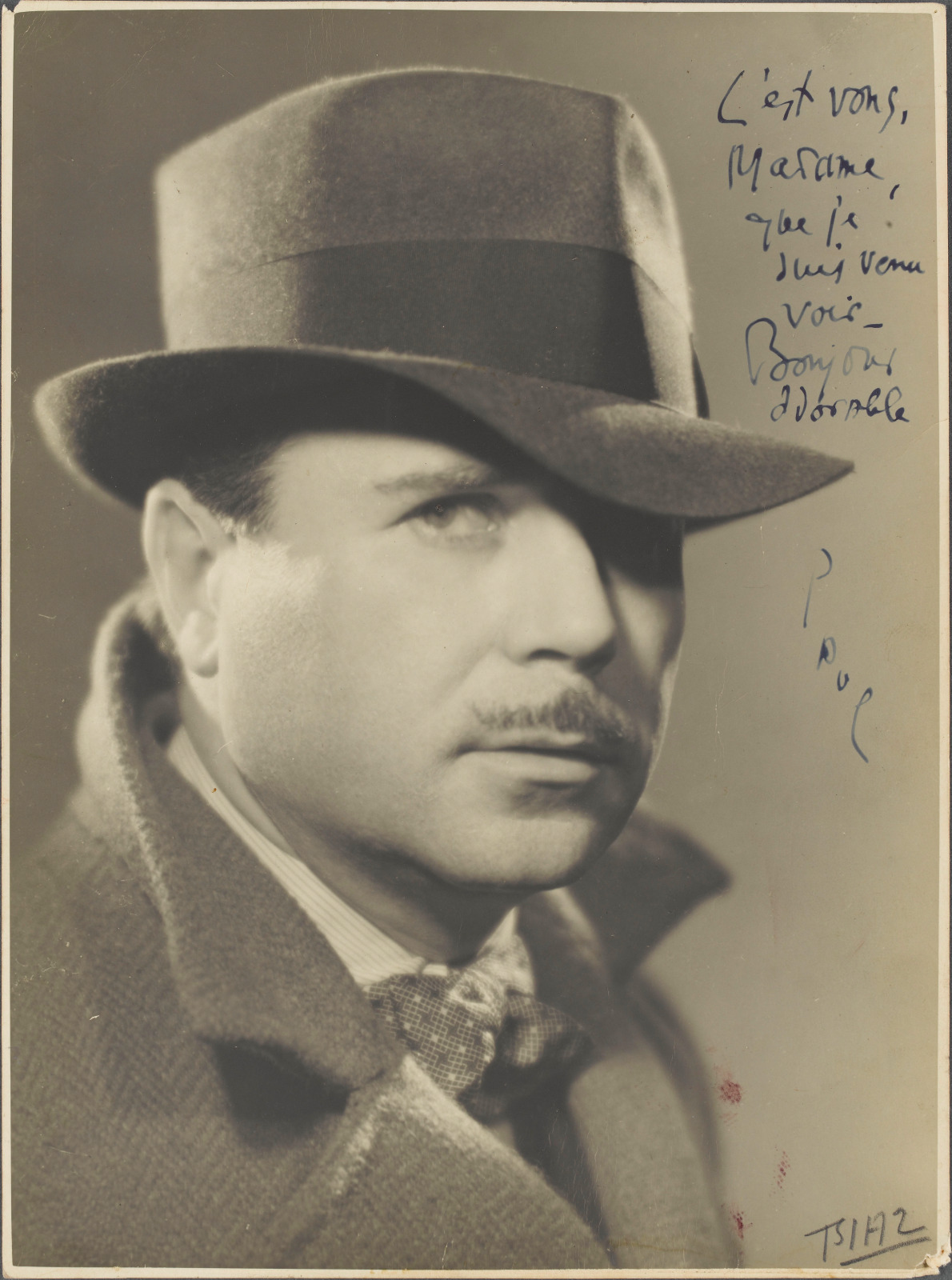
Paul Guillaume (1891-1934) rose from humble beginnings to become one of the leading art dealer-collectors of Paris in the early twentieth century. As a young man, he worked in an upscale garage that imported rubber for tires from the French colonies. Occasionally, the shipments would include African sculptures. [1]
In 1911, Guillaume befriended Guillaume Apollinaire after the poet and art critic inquired about one such statuette displayed in the garage’s window. Apollinaire became a mentor and introduced Guillaume to Parisian avant-garde artists like Maurice de Vlaminck, André Derain, Amedeo Modigliani, and Pablo Picasso, all of whom shared an interest in African sculpture. Apollinaire also introduced Guillaume to Hungarian-born dealer Joseph Brummer, who had developed an extensive trade network.
In 1914, Guillaume opened his first gallery near the Elysée Palace and exhibited modern artworks and African objects. The gallery was forced to close soon after due to the war. That same year, Mexican artist and writer Marius de Zayas helped arrange for a selection of Guillaume's African sculptures to appear in a seminal exhibition at Alfred Stieglitz's 291 gallery in 1914. Freed from the dusty vitrines of the ethnographic museum, each object was presented as a work of art in its own right. [2]
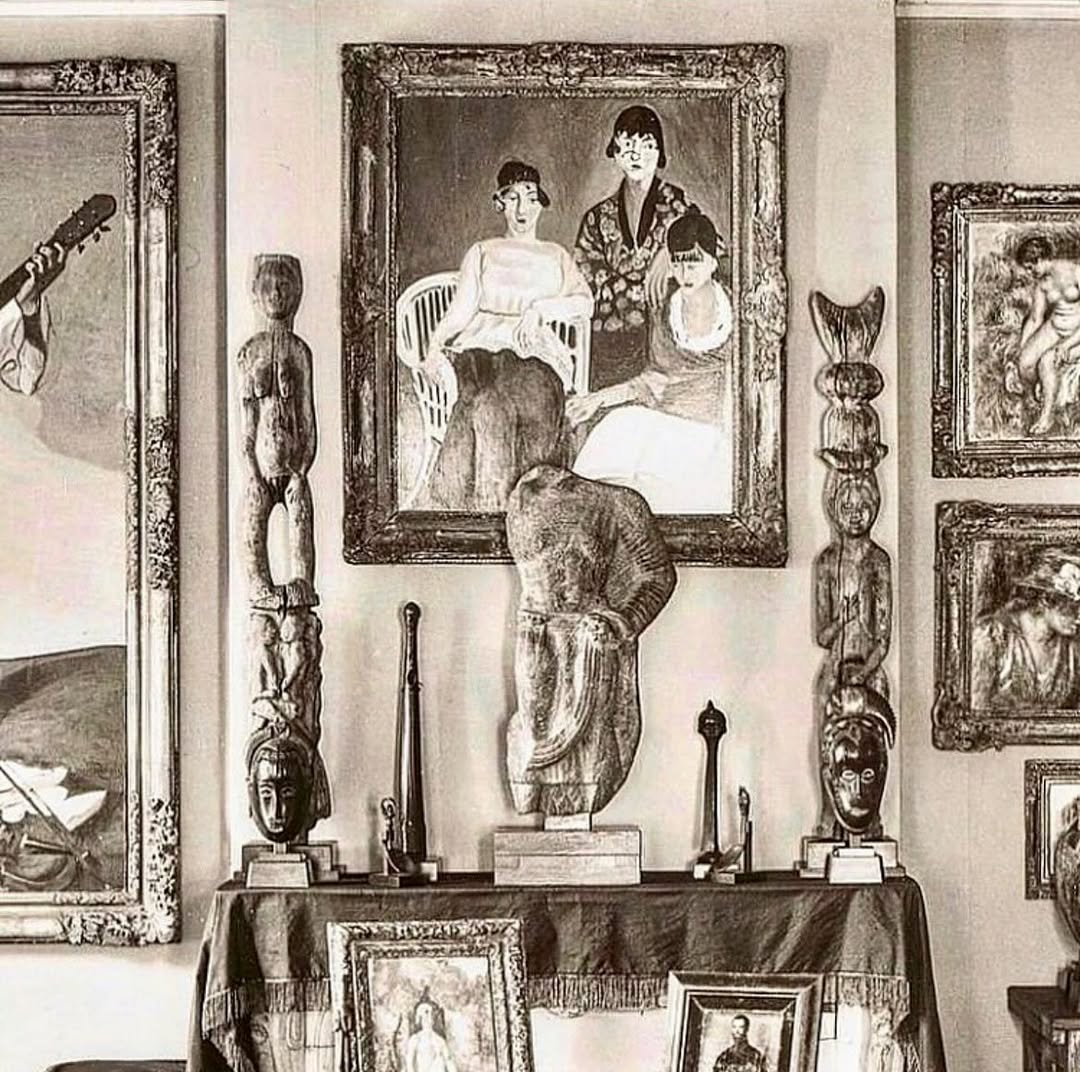
As one of the first to champion these objects as works of art, Guillaume spearheaded numerous exhibition projects, lent works from his collection internationally, and published influential writings like 1917’s “Sculptures Nègres” alongside Guillaume Apollinaire. [3] In 1922, he became an advisor and art dealer to Albert Barnes, a wealthy American chemist who aimed to have “the best private collection of Negro sculpture in the world." The resulting collection of over 100 works gained international recognition. [4]
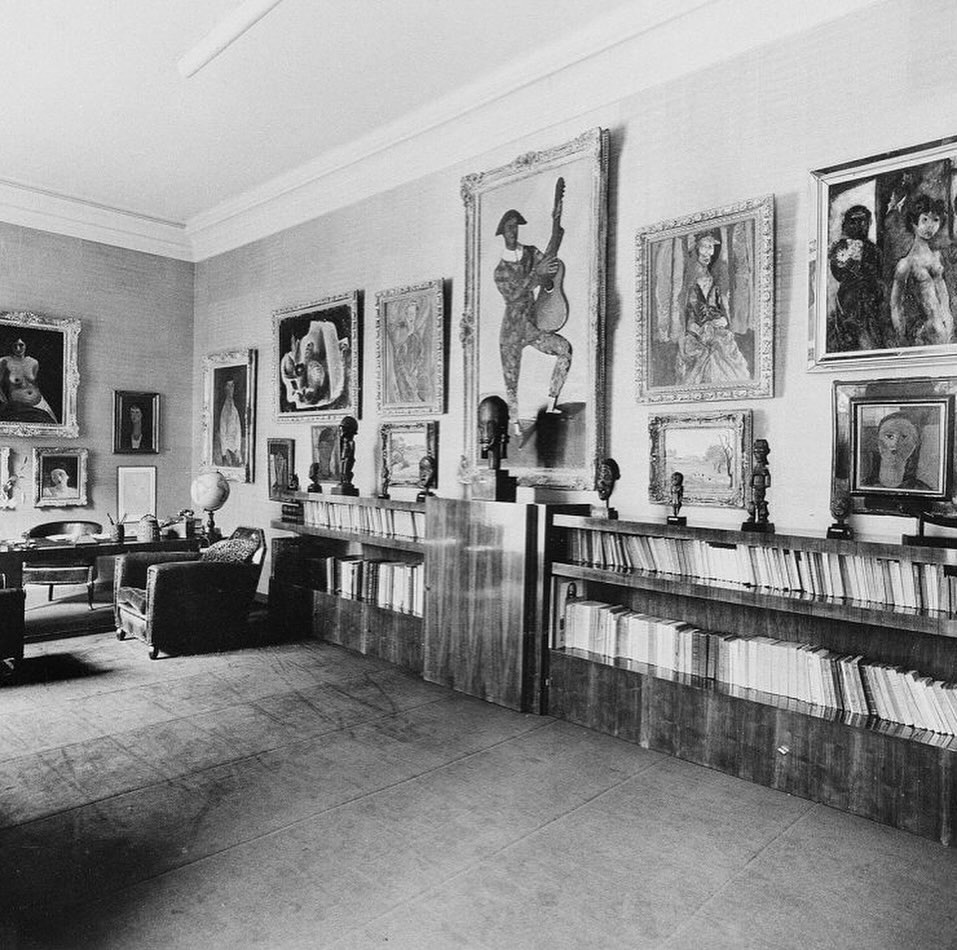
After initially reopening in 1917, Guillaume established his gallery at 59, rue La Boétie in the early 1920s. In addition to championing notable modernists like Henri Matisse and Pablo Picasso, Guillaume represented emerging figures like Amedeo Modigliani, André Derain, Marie Laurencin, Chaïm Soutine, and Giorgio de Chirico. From 1918 to 1935, Paul Guillaume promoted his artists in his periodical Les Arts à Paris. In one of several portraits Modigliani painted of his young patron, he added the words “Novo Pilota” (New pilot), suggesting that Guillaume represented a hopeful future. [5]
Guillaume recounted his discovery of Soutine's work in 1924: "One day when I had gone to a painter's house to see a picture by Modigliani I noticed in a corner of the studio a work which immediately got me excited. It was a Soutine; and it showed a pastry chef—an incredible, captivating, tangible, colorful pastry chef, cursed with a huge, magnificent ear, unexpected but right; a masterpiece. I bought it." [6] That same year, after a showing arranged by Guillaume, Barnes bought over 50 of the paintings on the spot, transforming the artist’s fortunes. [7]
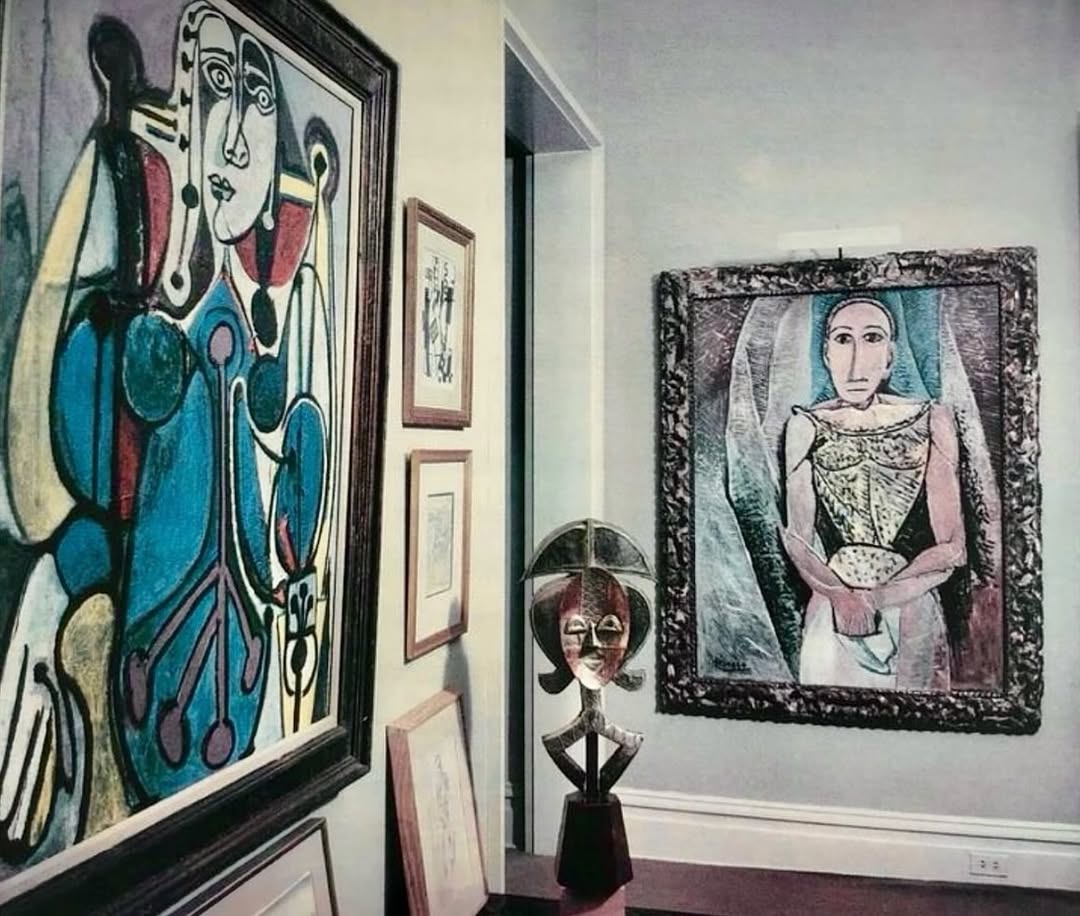
Guillaume was among the buyers at the Kahnweiler Sequestration Sales in June 1921 and May 1923, purchasing, among other works, Picasso’s “Man with a Guitar” (1912) and “Woman with a Guitar: ‘Ma Jolie’” (1911–12). In October 1926, he paid a record-breaking 79,000 French francs for Picasso’s “Woman in White” (1923). [8]
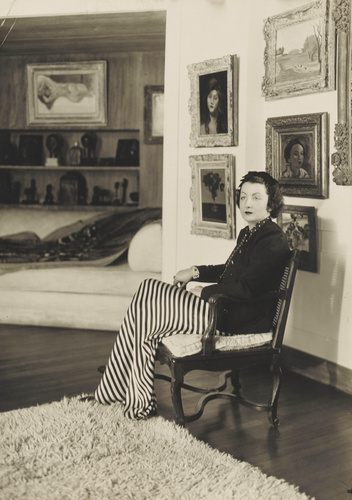
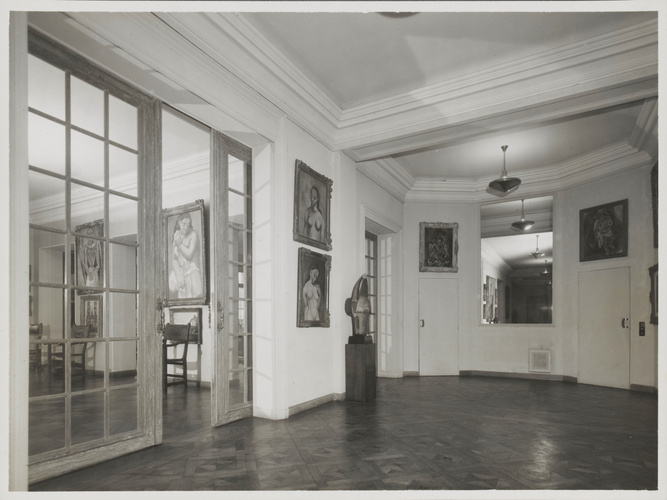
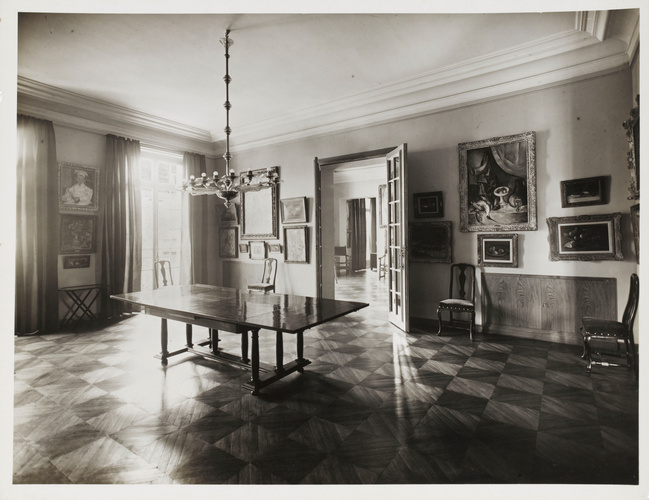
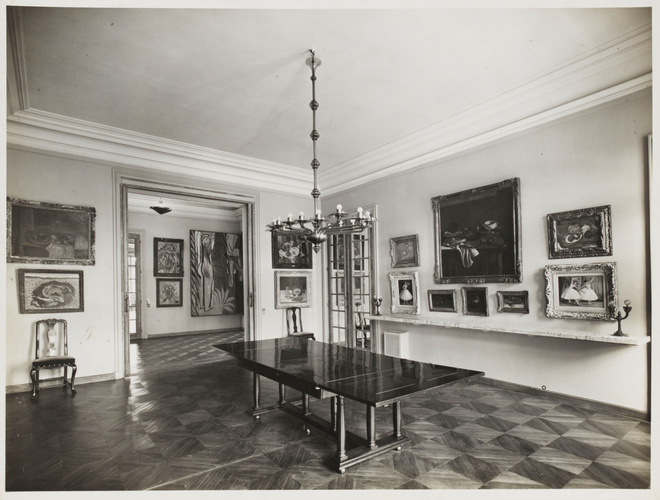
In 1934, when Guilliame died suddenly at the age of 42, he had been considering opening a public museum. His fortune and collection were left to his widow, Domenica, née Juliette Léonie Lacaze. Domenica modified the collection considerably, parting with over two hundred works, portraits by Modigliani, all the de Chiricos, Picasso’s Cubist works, and the entire collection of African works of art. Her taste was more conservative, and she paid extravagant sums for humble paintings like Cézanne’s “Pommes et Biscuits” (1880). The French state acquired the collection in two stages: forty-seven paintings in 1959 and ninety-nine paintings in 1963. The collection, titled the Jean Walter and Paul Guillaume Collection after Domenica’s successive husbands, is now held at the Musée de l’Orangerie in Paris. [9]
SOURCES
[1] “Permanent Collections - The Walter-Guillaume Collection.” Musée de l'Orangerie. https://www.musee-orangerie.fr/en/collection/permanent-collections-walter-guillaume-collection
[2] “The Root of Modern Art.” Sotheby’s. February 21, 2020.
https://www.sothebys.com/en/articles/the-root-of-modern-art
[3] “Sculptures Nègres.” Musée de l'Orangerie. https://www.musee-orangerie.fr/en/ressources/fonds-documentaires-et-archives/archives-collection-walter-guillaume/sculptures-negres
[4] “African Art in the Barnes Foundation: The Triumph of L'Art Negre and the Harlem Renaissance by Christa Clarke.” The Barnes Foundation. April 29, 2015.
https://www.barnesfoundation.org/press/press-releases/african-art-book
[5] “Novo Pilota, Amedeo Modigliani and his dealer Paul Guillaume.” Musée de l'Orangerie. https://www.musee-orangerie.fr/en/whats-on/exhibitions/novo-pilota-amedeo-modigliani-and-his-dealer-paul-guillaume
[6] “The Pastry Chef (Baker Boy) (Le Pâtissier).” The Barnes Foundation. https://collection.barnesfoundation.org/objects/6636/The-Pastry-Chef-(Baker-Boy)-(Le-Patissier)/
[7] “Chaïm Soutine Against the Current.” Kunstsammlung. https://www.kunstsammlung.de/en/soutine/
[8] Mahler, Luise, "Paul Guillaume," The Modern Art Index Project (January 2015), Leonard A. Lauder Research Center for Modern Art, The Metropolitan Museum of Art. https://doi.org/10.57011/WMTE1884
[9] Richardson, John. “Crimes of the Art.” Vanity Fair. April 5, 2012
https://www.vanityfair.com/news/2001/03/domenica-guillaume-walter-art-scandal
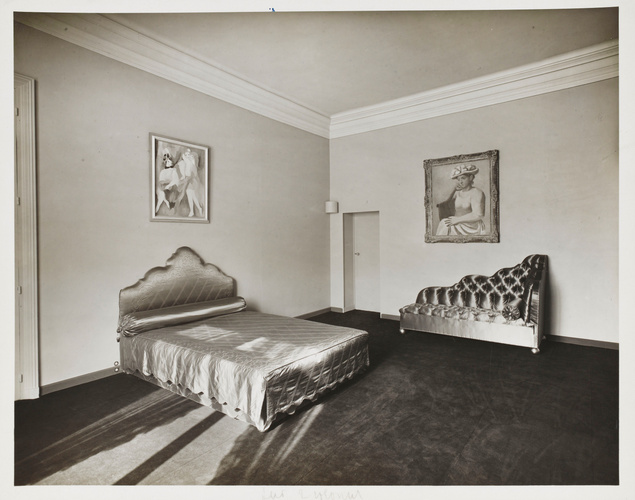
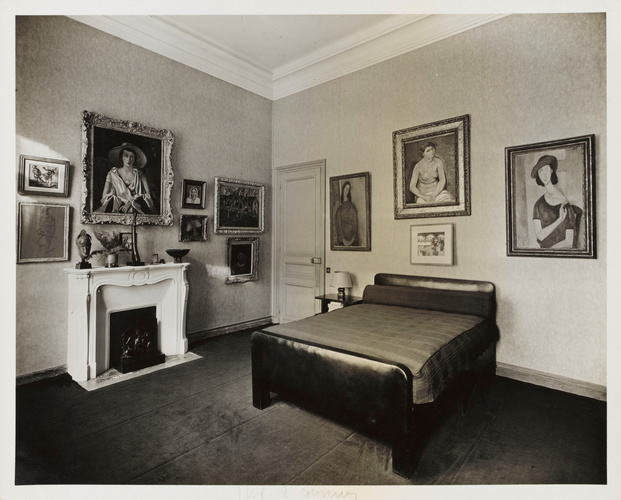
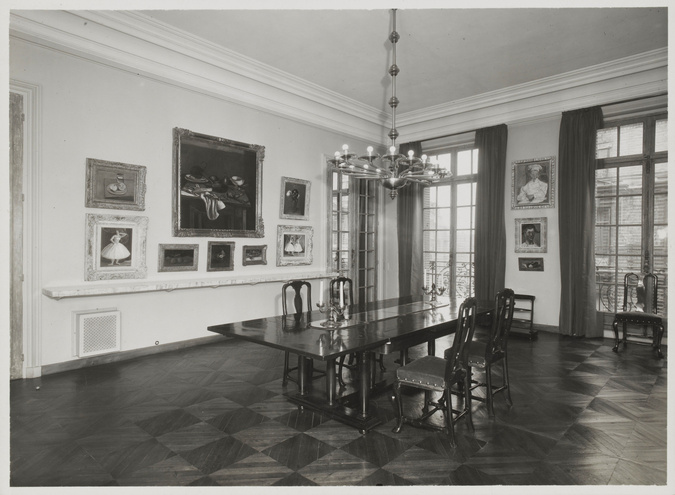
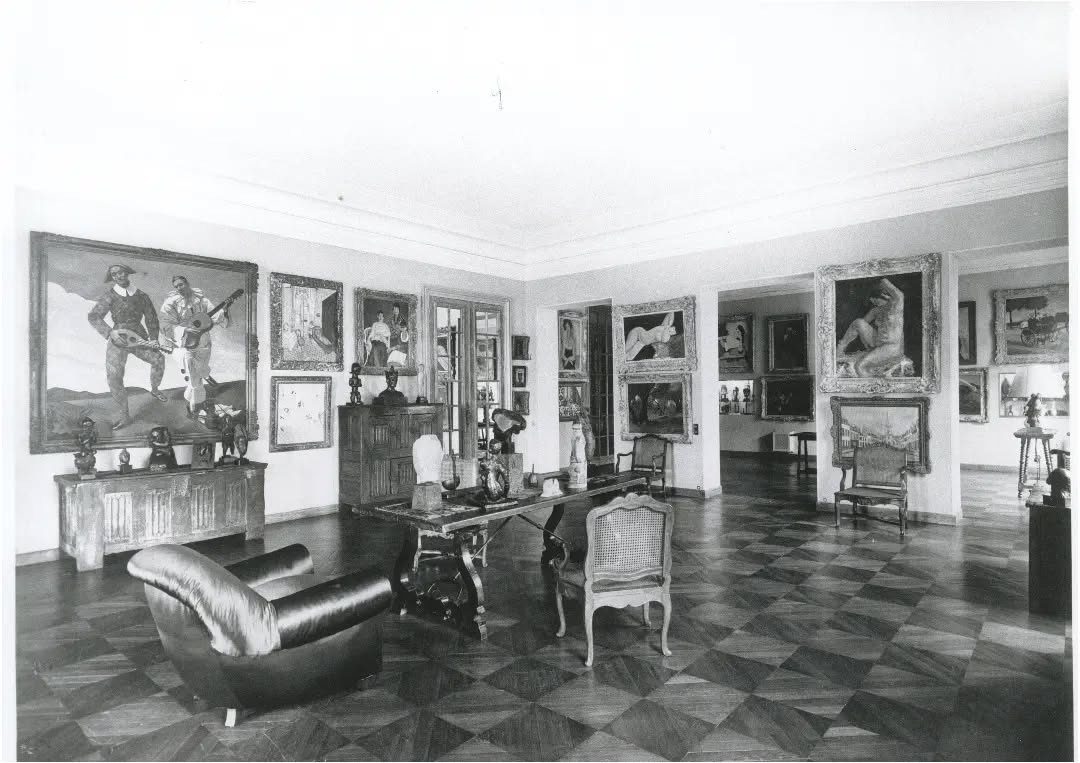
Photos of Guillaume’s Paris apartment by Roger Schall; All images via Musée de l’Orangerie, Paris
In 1911, Guillaume befriended Guillaume Apollinaire after the poet and art critic inquired about one such statuette displayed in the garage’s window. Apollinaire became a mentor and introduced Guillaume to Parisian avant-garde artists like Maurice de Vlaminck, André Derain, Amedeo Modigliani, and Pablo Picasso, all of whom shared an interest in African sculpture. Apollinaire also introduced Guillaume to Hungarian-born dealer Joseph Brummer, who had developed an extensive trade network.
In 1914, Guillaume opened his first gallery near the Elysée Palace and exhibited modern artworks and African objects. The gallery was forced to close soon after due to the war. That same year, Mexican artist and writer Marius de Zayas helped arrange for a selection of Guillaume's African sculptures to appear in a seminal exhibition at Alfred Stieglitz's 291 gallery in 1914. Freed from the dusty vitrines of the ethnographic museum, each object was presented as a work of art in its own right. [2]
As one of the first to champion these objects as works of art, Guillaume spearheaded numerous exhibition projects, lent works from his collection internationally, and published influential writings like 1917’s “Sculptures Nègres” alongside Guillaume Apollinaire. [3] In 1922, he became an advisor and art dealer to Albert Barnes, a wealthy American chemist who aimed to have “the best private collection of Negro sculpture in the world." The resulting collection of over 100 works gained international recognition. [4]
After initially reopening in 1917, Guillaume established his gallery at 59, rue La Boétie in the early 1920s. In addition to championing notable modernists like Henri Matisse and Pablo Picasso, Guillaume represented emerging figures like Amedeo Modigliani, André Derain, Marie Laurencin, Chaïm Soutine, and Giorgio de Chirico. From 1918 to 1935, Paul Guillaume promoted his artists in his periodical Les Arts à Paris. In one of several portraits Modigliani painted of his young patron, he added the words “Novo Pilota” (New pilot), suggesting that Guillaume represented a hopeful future. [5]
Guillaume recounted his discovery of Soutine's work in 1924: "One day when I had gone to a painter's house to see a picture by Modigliani I noticed in a corner of the studio a work which immediately got me excited. It was a Soutine; and it showed a pastry chef—an incredible, captivating, tangible, colorful pastry chef, cursed with a huge, magnificent ear, unexpected but right; a masterpiece. I bought it." [6] That same year, after a showing arranged by Guillaume, Barnes bought over 50 of the paintings on the spot, transforming the artist’s fortunes. [7]
Guillaume was among the buyers at the Kahnweiler Sequestration Sales in June 1921 and May 1923, purchasing, among other works, Picasso’s “Man with a Guitar” (1912) and “Woman with a Guitar: ‘Ma Jolie’” (1911–12). In October 1926, he paid a record-breaking 79,000 French francs for Picasso’s “Woman in White” (1923). [8]
In 1934, when Guilliame died suddenly at the age of 42, he had been considering opening a public museum. His fortune and collection were left to his widow, Domenica, née Juliette Léonie Lacaze. Domenica modified the collection considerably, parting with over two hundred works, portraits by Modigliani, all the de Chiricos, Picasso’s Cubist works, and the entire collection of African works of art. Her taste was more conservative, and she paid extravagant sums for humble paintings like Cézanne’s “Pommes et Biscuits” (1880). The French state acquired the collection in two stages: forty-seven paintings in 1959 and ninety-nine paintings in 1963. The collection, titled the Jean Walter and Paul Guillaume Collection after Domenica’s successive husbands, is now held at the Musée de l’Orangerie in Paris. [9]
SOURCES
[1] “Permanent Collections - The Walter-Guillaume Collection.” Musée de l'Orangerie. https://www.musee-orangerie.fr/en/collection/permanent-collections-walter-guillaume-collection
[2] “The Root of Modern Art.” Sotheby’s. February 21, 2020.
https://www.sothebys.com/en/articles/the-root-of-modern-art
[3] “Sculptures Nègres.” Musée de l'Orangerie. https://www.musee-orangerie.fr/en/ressources/fonds-documentaires-et-archives/archives-collection-walter-guillaume/sculptures-negres
[4] “African Art in the Barnes Foundation: The Triumph of L'Art Negre and the Harlem Renaissance by Christa Clarke.” The Barnes Foundation. April 29, 2015.
https://www.barnesfoundation.org/press/press-releases/african-art-book
[5] “Novo Pilota, Amedeo Modigliani and his dealer Paul Guillaume.” Musée de l'Orangerie. https://www.musee-orangerie.fr/en/whats-on/exhibitions/novo-pilota-amedeo-modigliani-and-his-dealer-paul-guillaume
[6] “The Pastry Chef (Baker Boy) (Le Pâtissier).” The Barnes Foundation. https://collection.barnesfoundation.org/objects/6636/The-Pastry-Chef-(Baker-Boy)-(Le-Patissier)/
[7] “Chaïm Soutine Against the Current.” Kunstsammlung. https://www.kunstsammlung.de/en/soutine/
[8] Mahler, Luise, "Paul Guillaume," The Modern Art Index Project (January 2015), Leonard A. Lauder Research Center for Modern Art, The Metropolitan Museum of Art. https://doi.org/10.57011/WMTE1884
[9] Richardson, John. “Crimes of the Art.” Vanity Fair. April 5, 2012
https://www.vanityfair.com/news/2001/03/domenica-guillaume-walter-art-scandal
Photos of Guillaume’s Paris apartment by Roger Schall; All images via Musée de l’Orangerie, Paris
Image: André Derain, “Arlequin et Pierrot” (1924), “Le Beau Modèle” (1923)
11.05.2025