The Collectors: David and Peggy Rockefeller
Authors: Tobias Czudej, Susan McDonough
8 July 2026
He remembered the slight decades later. He also remembered what followed: "From then on, Alfred Barr began bringing to our attention a variety of high-quality paintings we had never been exposed to before." [Ibid]
This exchange is the hinge of one of the twentieth century's great American collections. Rockefeller (1915–2017) — chairman of Chase Manhattan Bank and grandson of the oil magnate John D. Rockefeller — had grown up surrounded by fine objects but no fixed conviction about what made a picture matter. "I was brought up surrounded by beautiful things from many parts of the world and many centuries," he said. "I look upon my own collecting as having been an extension of that in many respects. My late wife Peggy and I really bought things together. We both felt, wisely, that if we should live with things we should both like them." [2] What turned an inheritance of taste into a collection was tuition, most of it from Barr, the founding director of a museum his own family had helped establish. The arrangement served the museum as much as the collectors: many of the works the Rockefellers were learning to love were ones Barr expected would one day come to MoMA.
The instinct to collect ran in the family, though it took David time to find it. He was born in the Rockefeller mansion at 10 West 54th Street. [3] In 1929, his mother, Abby Aldrich Rockefeller, helped co-found The Museum of Modern Art; her husband, the philanthropist John D. Rockefeller Jr., disapproved of contemporary art at home, so Abby turned the seventh floor of the house into a small, rotating gallery. David initially shared his father's skepticism. His brother Nelson was the first to follow their mother, collecting contemporary work and taking on important roles at MoMA from the 1930s onward. David only became actively involved in 1948, after Abby died and he was asked to take her seat on the board of trustees. [1]
In 1940 he had married Margaret "Peggy" McGrath (1915–1996), a conservationist and philanthropist. Their city home on the Upper East Side was furnished with European furniture, Persian rugs, porcelain, and those first, unremarkable portraits — until Marga Barr's visit set a different course.
What Barr brought was an education in the eye. "For the most part, we were still not drawn to abstract painting," Rockefeller noted, "but we found ourselves more and more tempted by the French Impressionists and other French painters who anticipated the Impressionists, such as Boudin, Courbet, and Delacroix." [1] Among the works that anchored this early taste was Édouard Manet's "Lilas et roses" (1882), which Abby Aldrich Rockefeller had acquired in 1938. "I remember very well this small Manet flower picture hanging with a number of other flower paintings in Mother's sitting room at 740 Park Avenue," Rockefeller recalled. "It is certainly a painting that gives ongoing pleasure." [4]
The first significant acquisition made under Barr's tutelage was Pierre Bonnard's "Intérieur, fleurs des champs" (ca. 1939). The purchase "represented quite a departure in taste for us in that it is much less lifelike and more impressionistic than anything we had acquired previously," Rockefeller wrote. "We have enjoyed it more and more with time." [5] Barr's influence outlasted every other adviser. "While there were many others over the years who helped us in the selection of paintings for our collection, Alfred had the greatest impact," Rockefeller wrote in his Memoirs, also citing the MoMA curator William Rubin and Monroe Wheeler, the museum's longtime director of exhibitions and publications. "Over a decade or more, Alfred brought to our attention works of high quality. Peggy and I were drawn to the French Impressionists and Post-Impressionists." [5]
By this time Barr, MoMA's first director, was serving as its Director of Collections — and he worked with trustees to develop their private holdings on the understanding that key works would eventually come to the museum. He was not above sweetening a deal to steer a purchase. After learning that the French dealer Paul Rosenberg had acquired a significant part of Mrs. Chester Beatty's collection, Barr made sure the Rockefellers got first pick, on the condition that they buy Cézanne's "Boy in a Red Vest" (1888–90). [1]
The couple did, along with Seurat's "La rade de Grandcamp" (1885) and Manet's "The Brioche" (1870), now in the collection of the Metropolitan Museum of Art. They had spent more on these three works than on any previous acquisitions, and David requested funds from the trust his father had established to complete the purchase. He later wished he had bought more than the Cézanne while the Beatty pictures were within reach. [1] The episode is the collection in miniature: a curator's ambition for his museum, a family's means, and a growing eye, all pointing the same way.
That momentum carried into the couple's first major Impressionist purchase. In 1951 they bought Renoir's nude "Gabrielle au miroir" (ca. 1910) for $50,000. "It was our first important Impressionist painting and by far the most expensive," Rockefeller wrote. "We hung it proudly in our living room in the City, although some of Peggy's conservative relatives were scandalized at the sight of a nude woman so prominently displayed!" [6]
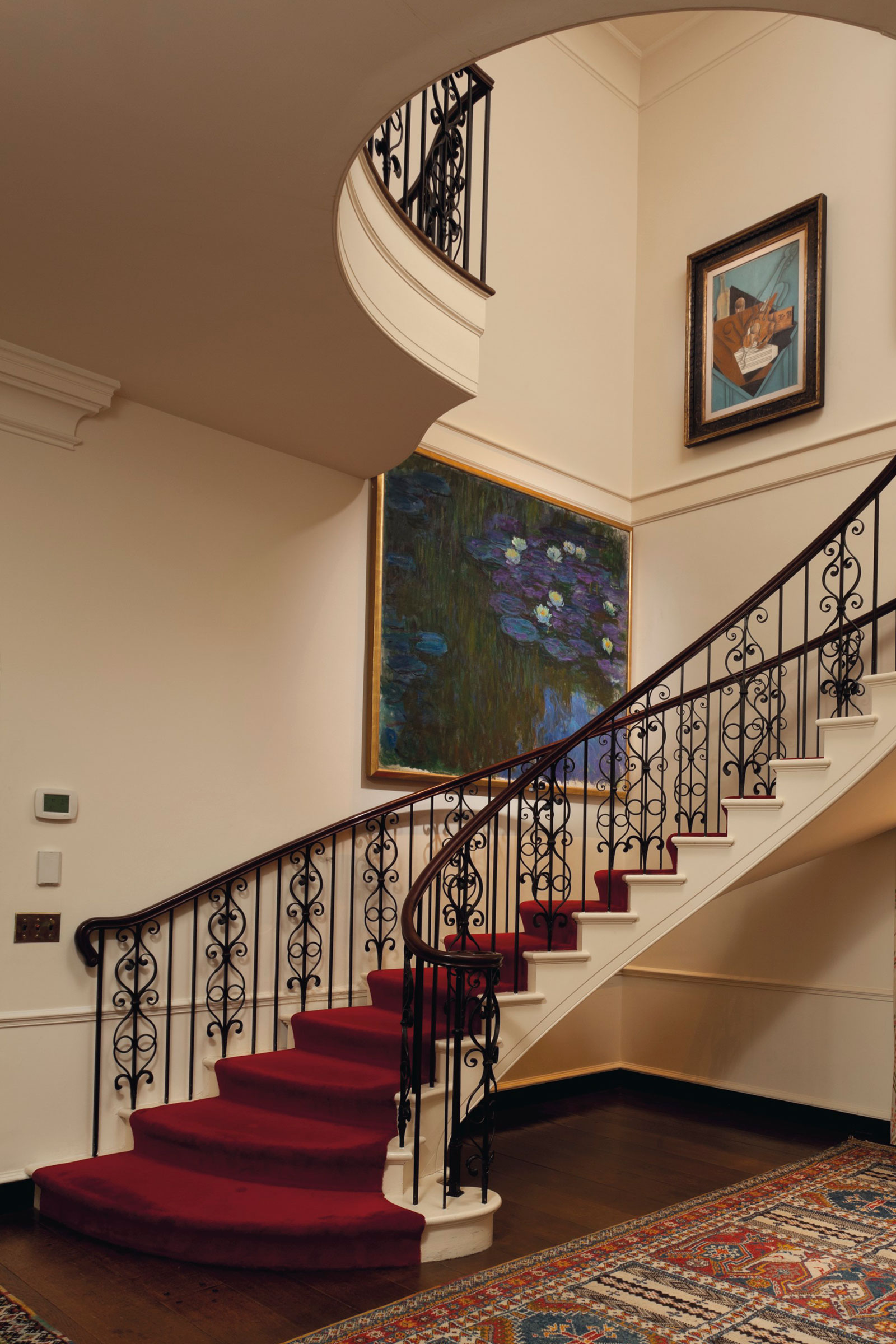
The Monets came through the same network. Barr acquired a Claude Monet "Nymphéas" directly from Michel Monet for MoMA in 1955, and on his recommendation the Rockefellers visited the Parisian dealer Katia Granoff and bought their first. "One, which was almost certainly painted in the late afternoon and in which the water is a dark purple and the lilies stand out a glowing white, we bought immediately," Rockefeller recalled. A second followed weeks later, a third in 1961. [7]
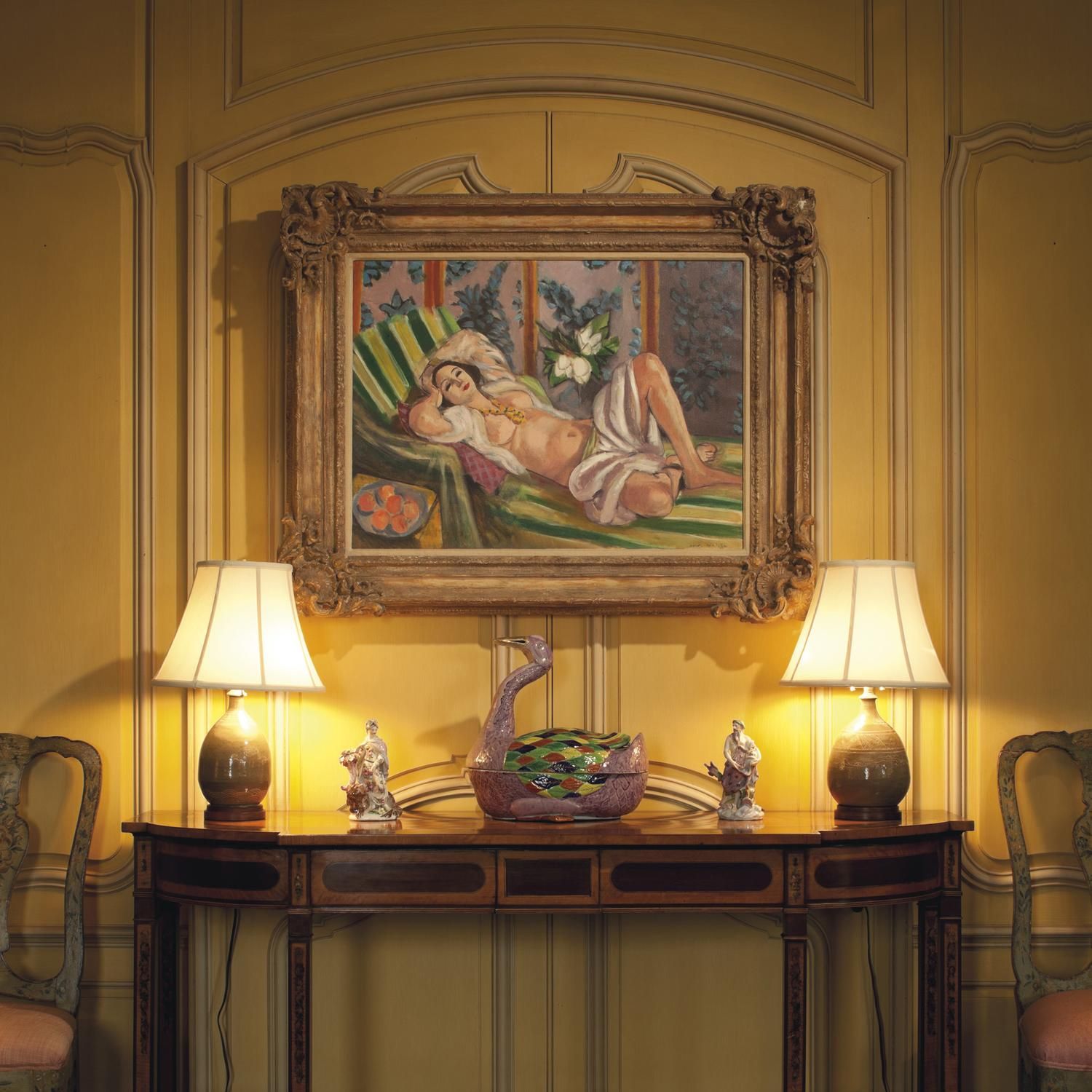
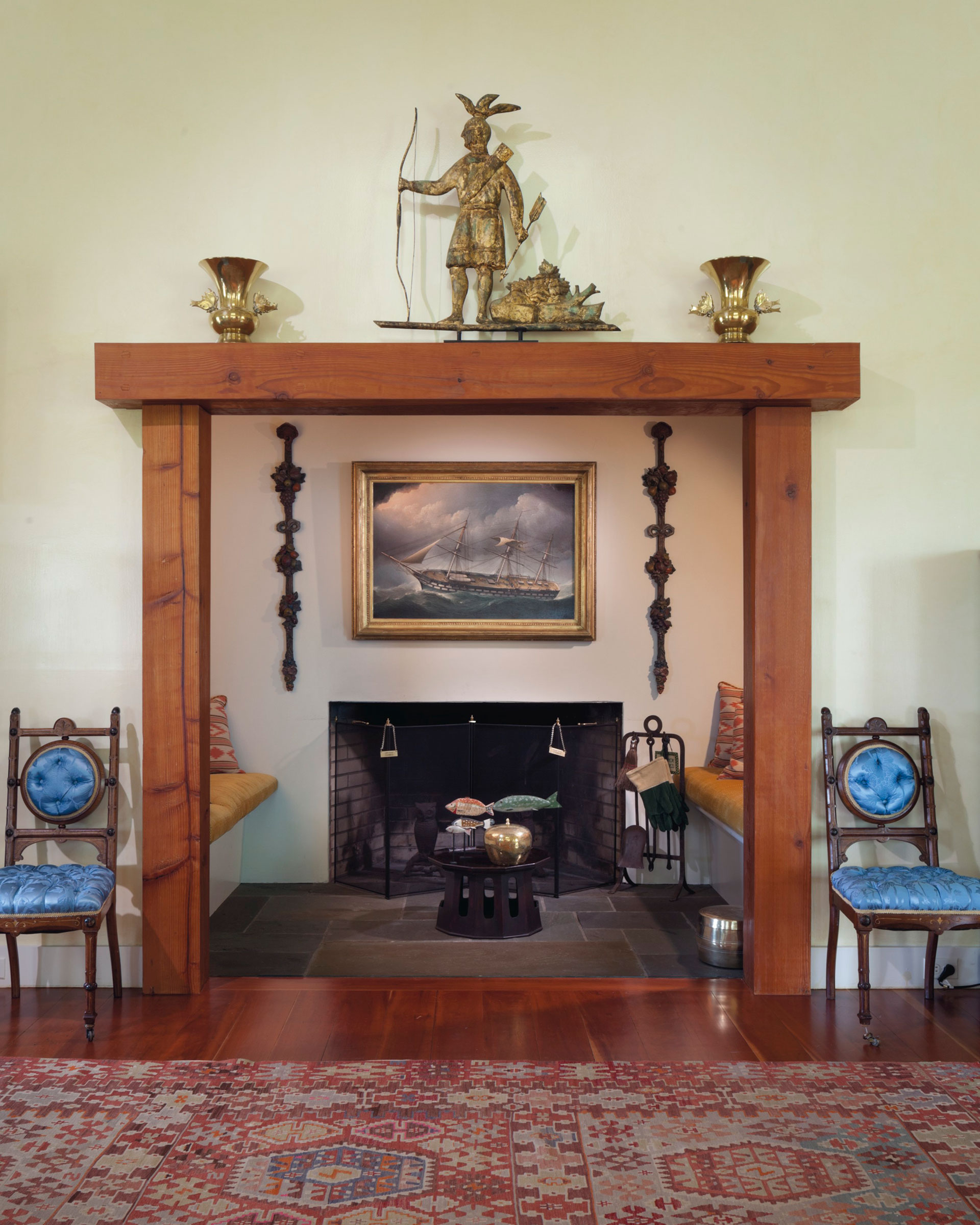
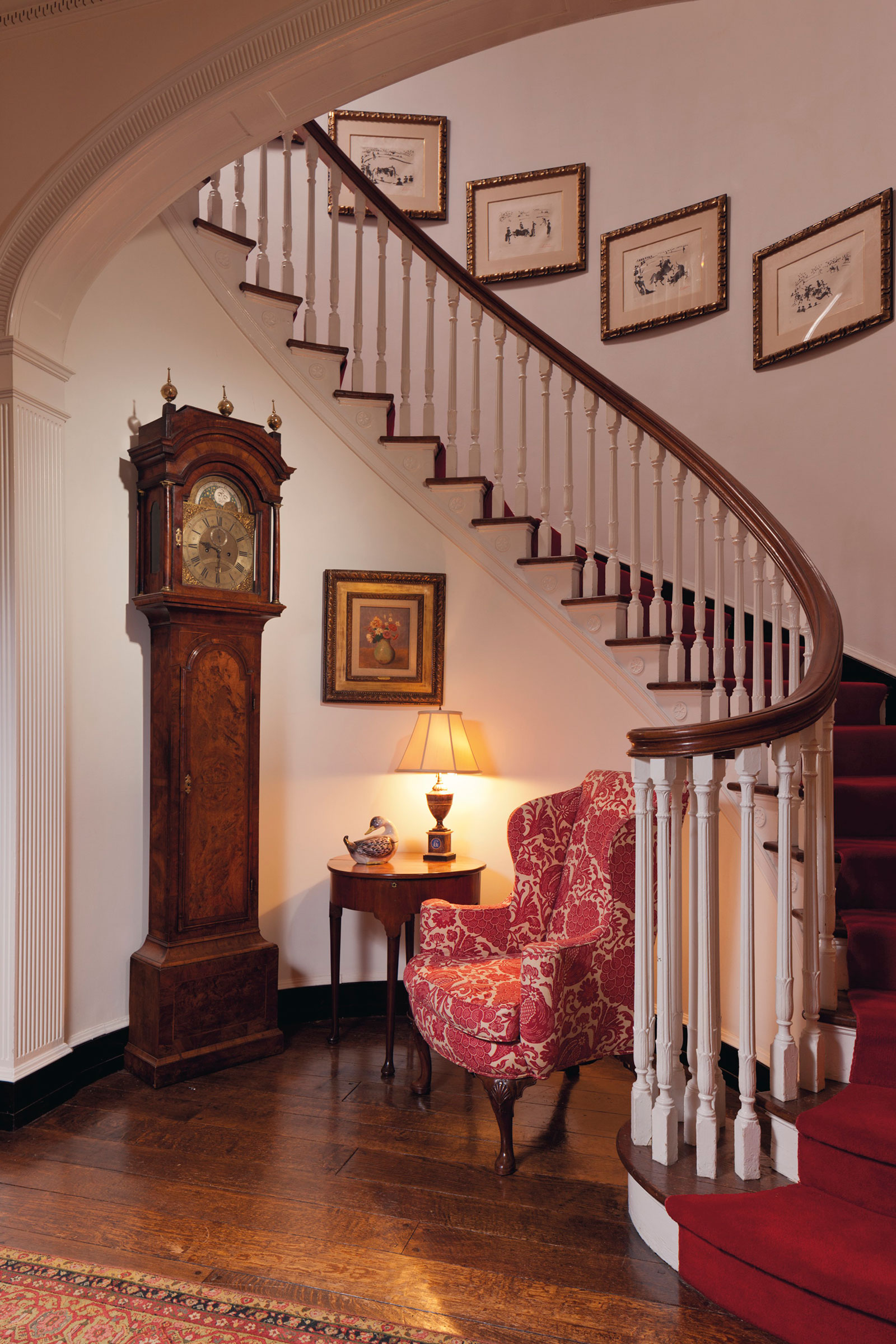
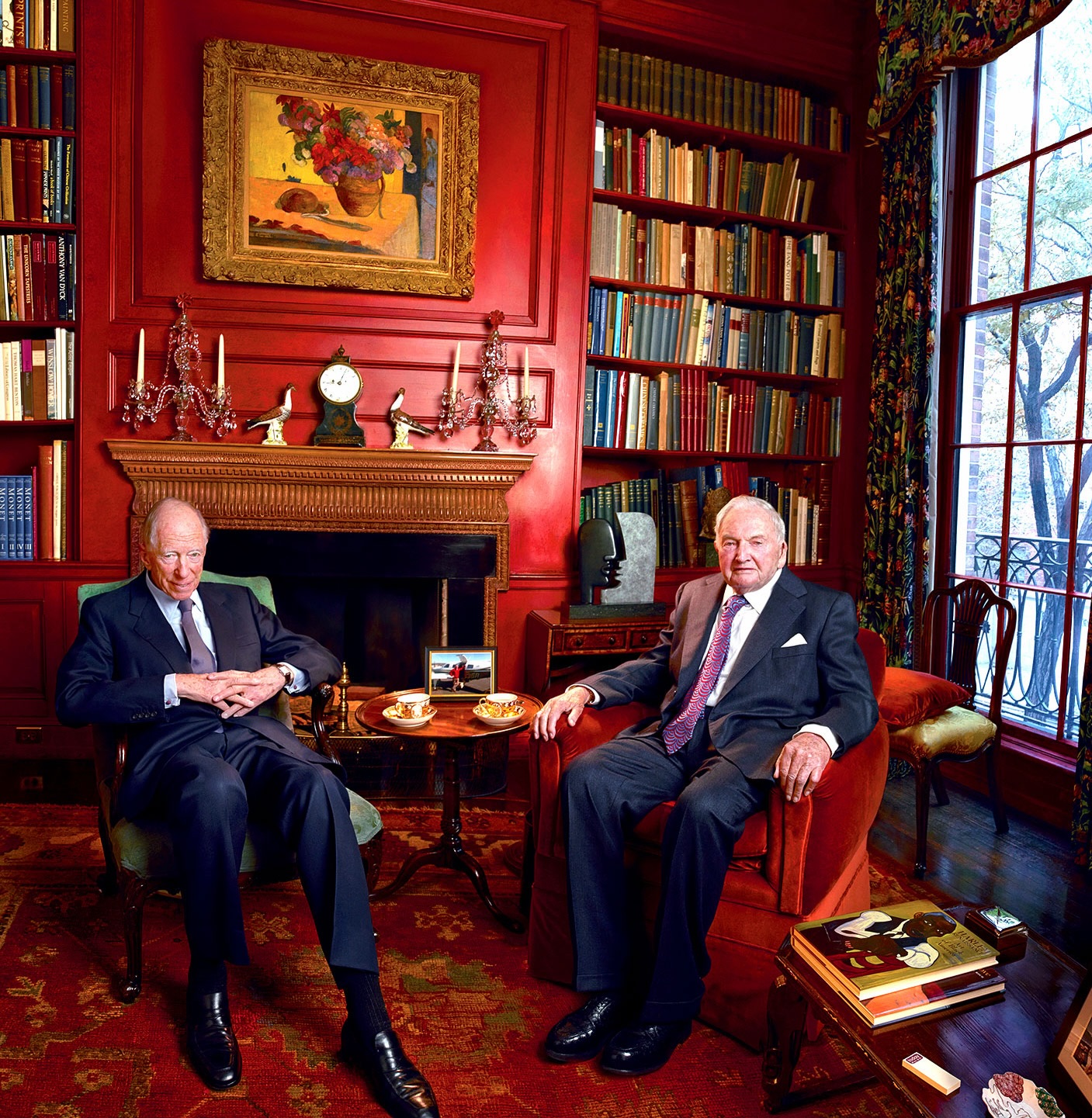
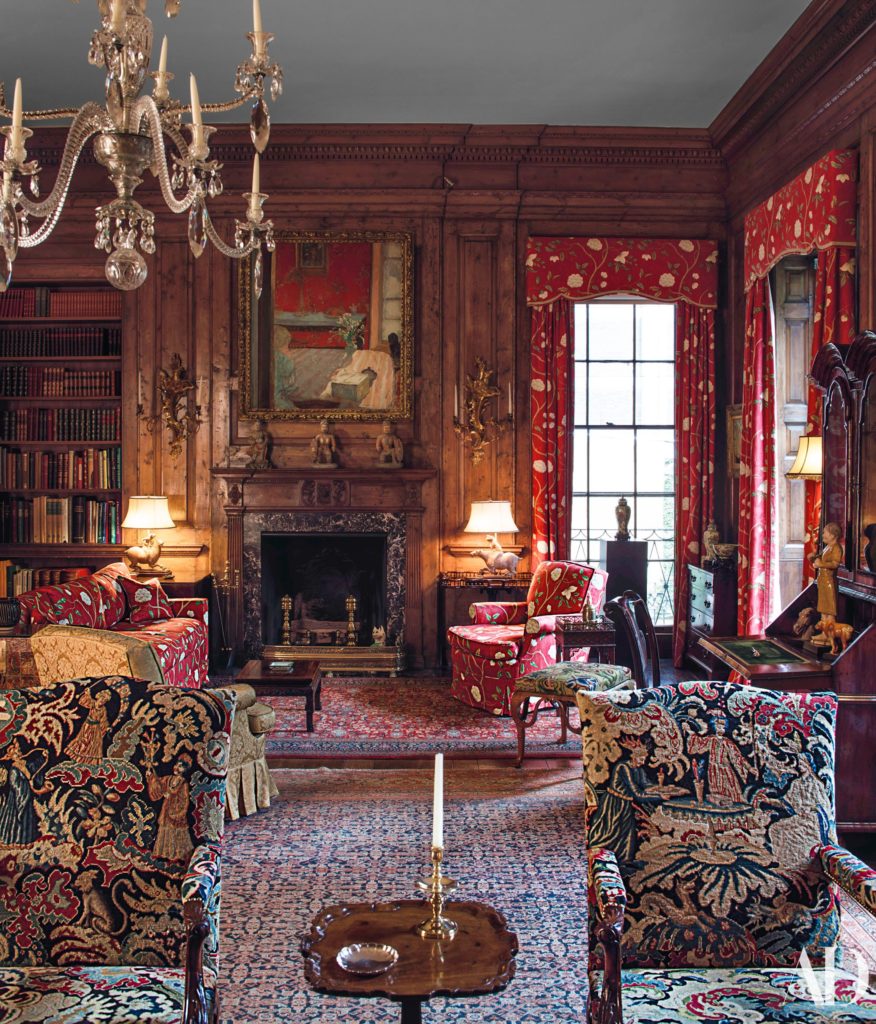
The Rockefellers displayed their collection across several residences, and how they lived with the pictures says as much as how they bought them. All three Monet "Nymphéas" hung in the stairwell at Hudson Pines, the couple's country residence designed in the late 1930s by the architect Mott B. Schmidt. [8] The living room there held Matisse's "Odalisque couchée aux magnolias," acquired from the Chicago modernist collector Leigh Block. [9]
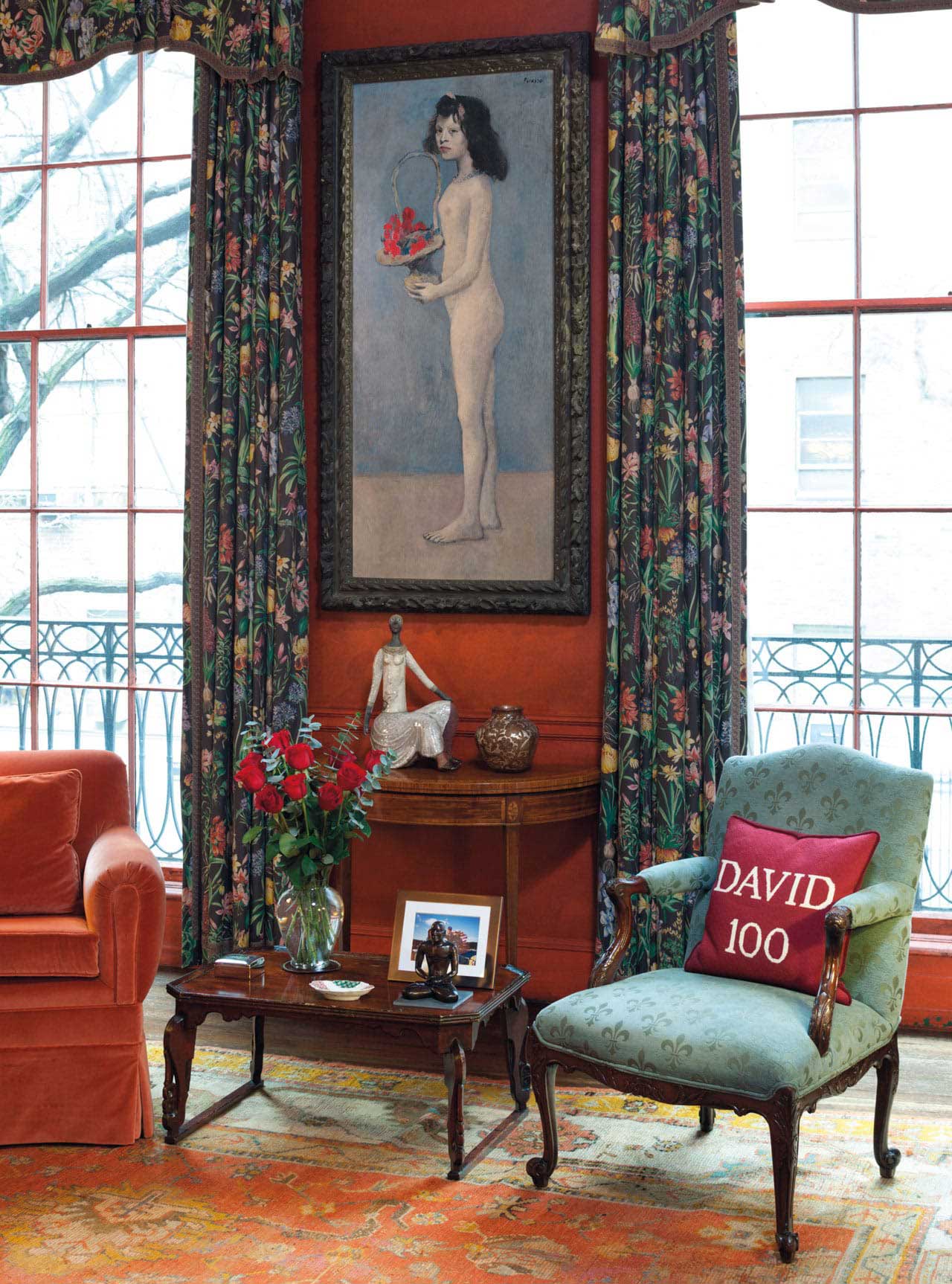
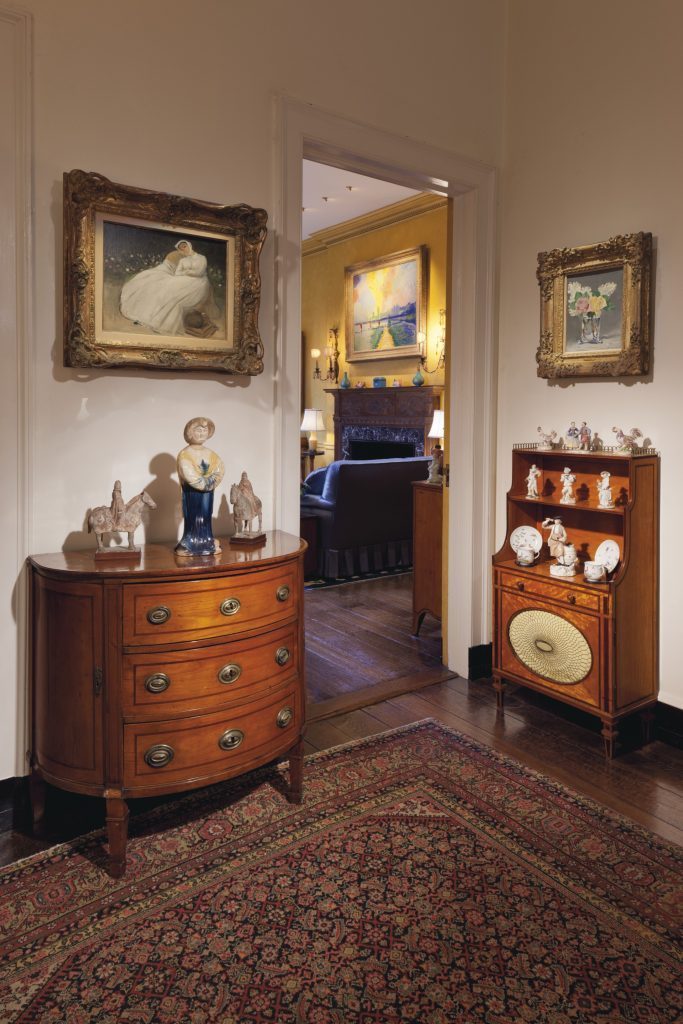
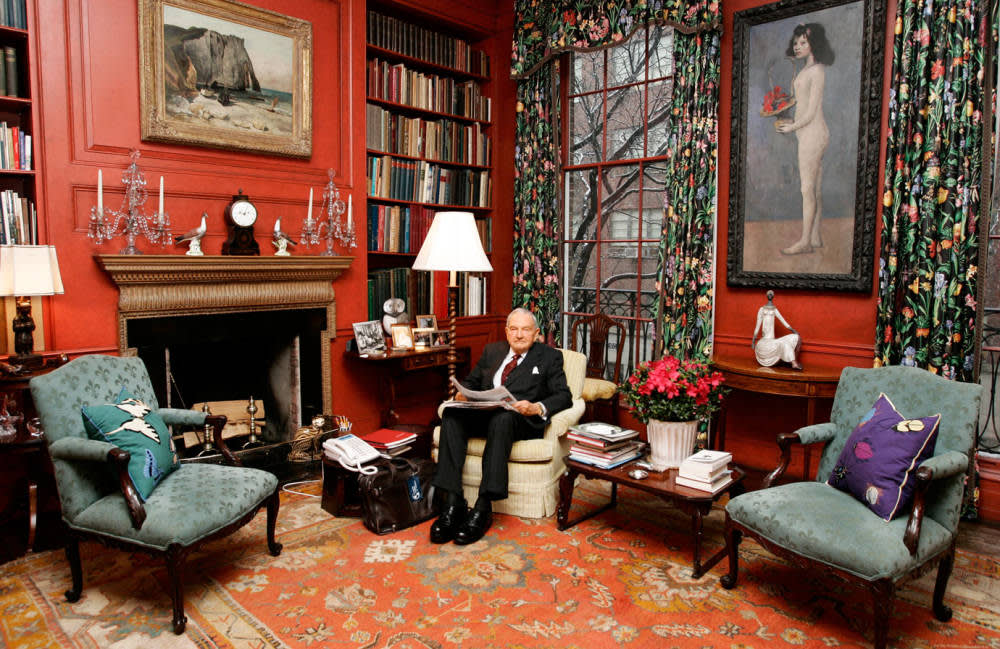
The Manhattan apartment held one of the collection's crowning works, Picasso's "Fillette à la corbeille fleurie" (1905). Rockefeller came to own the Rose Period masterpiece in 1968 after organizing a syndicate — with his brother Nelson, William S. Paley, John Hay Whitney, and André Meyer — to purchase the former collection of Gertrude Stein. The buyers selected paintings through a lottery; Rockefeller drew first pick and chose the Picasso. [10]
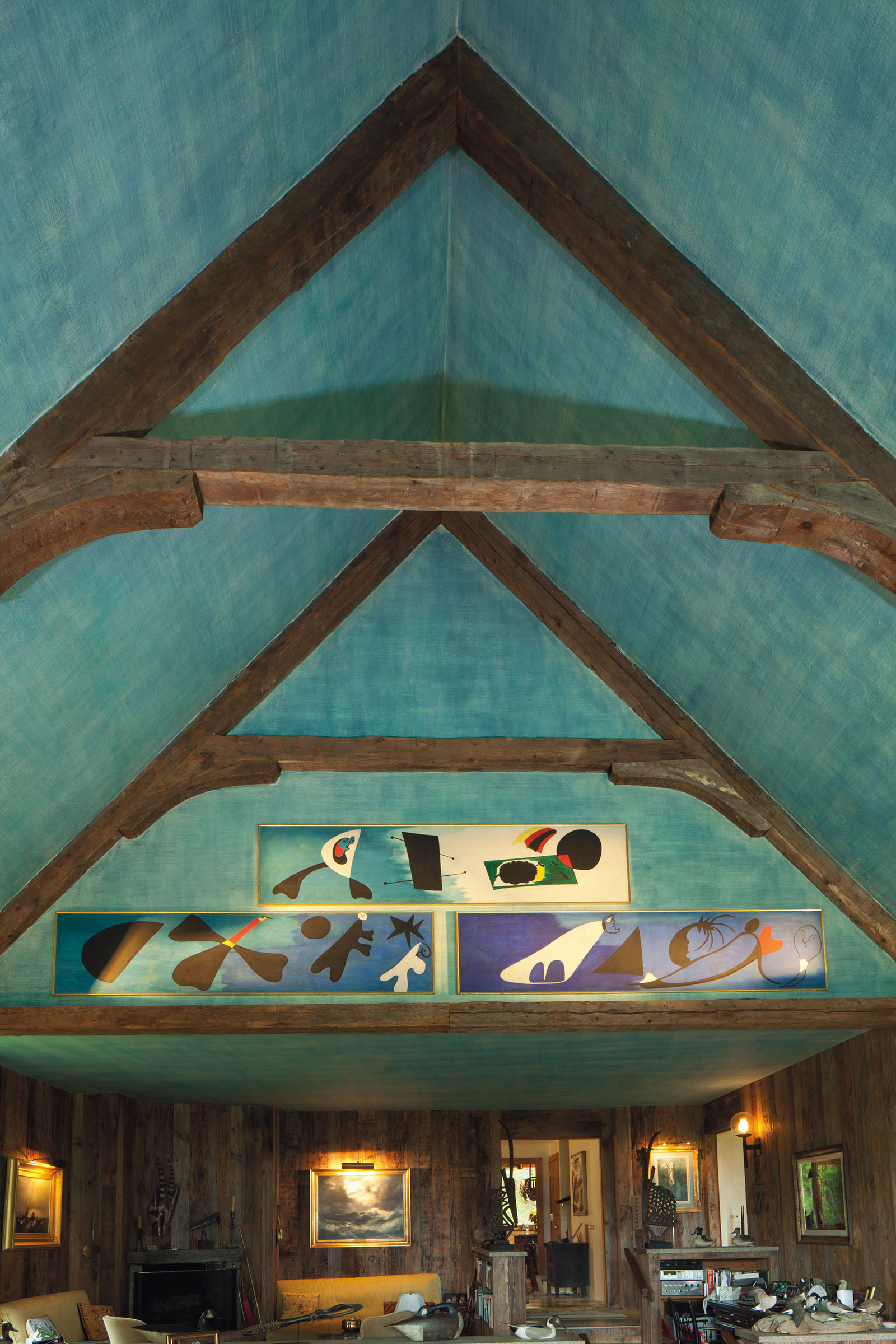
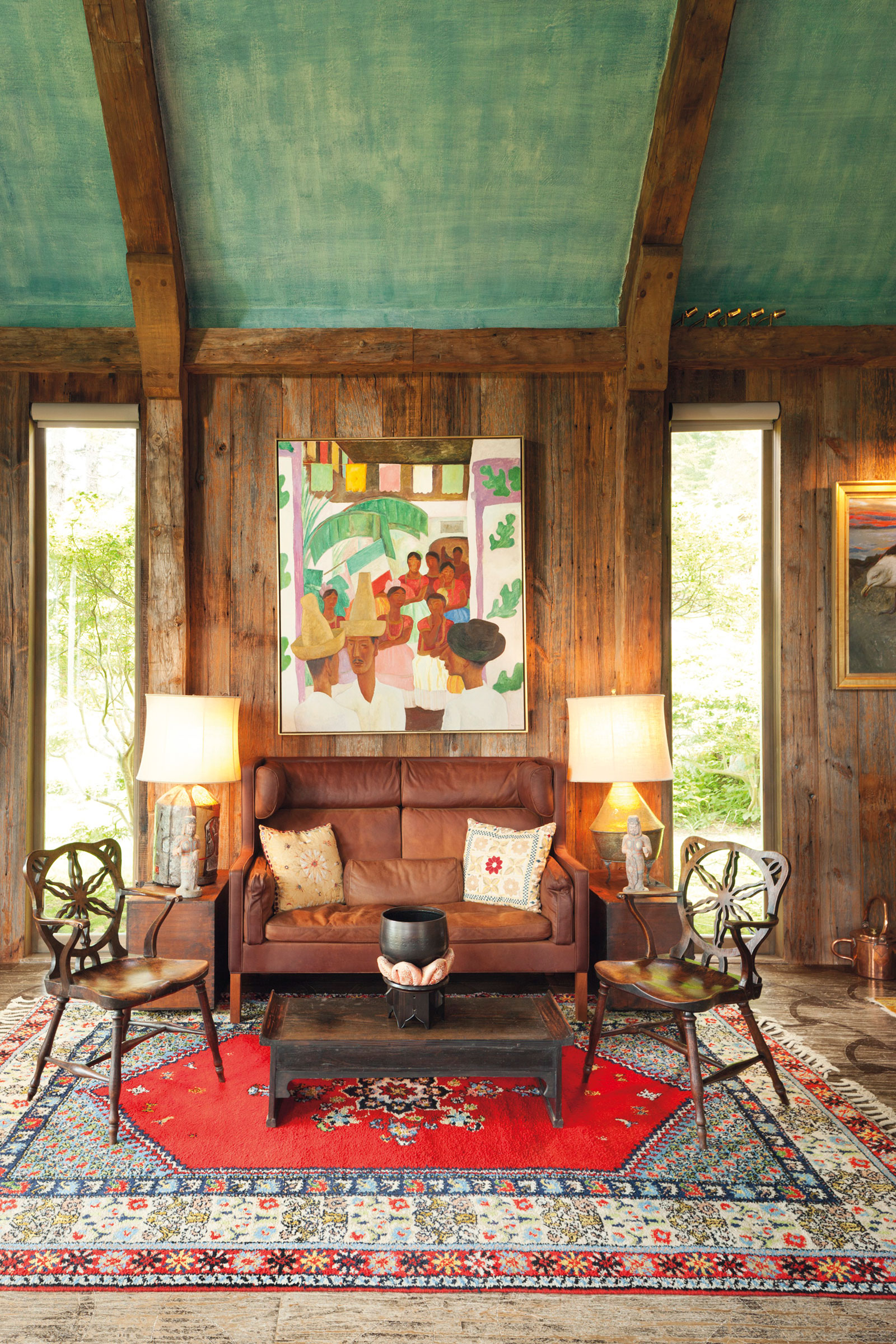
At Ringing Point, the family's summer retreat in Seal Harbor, Maine, hung Diego Rivera's "The Rivals," commissioned by Abby Aldrich Rockefeller in 1931. [11] The living room of the same house held a trio of paintings by Joan Miró, originally made for the nursery in the home of the artist's Paris dealer, Pierre Loeb. [12]
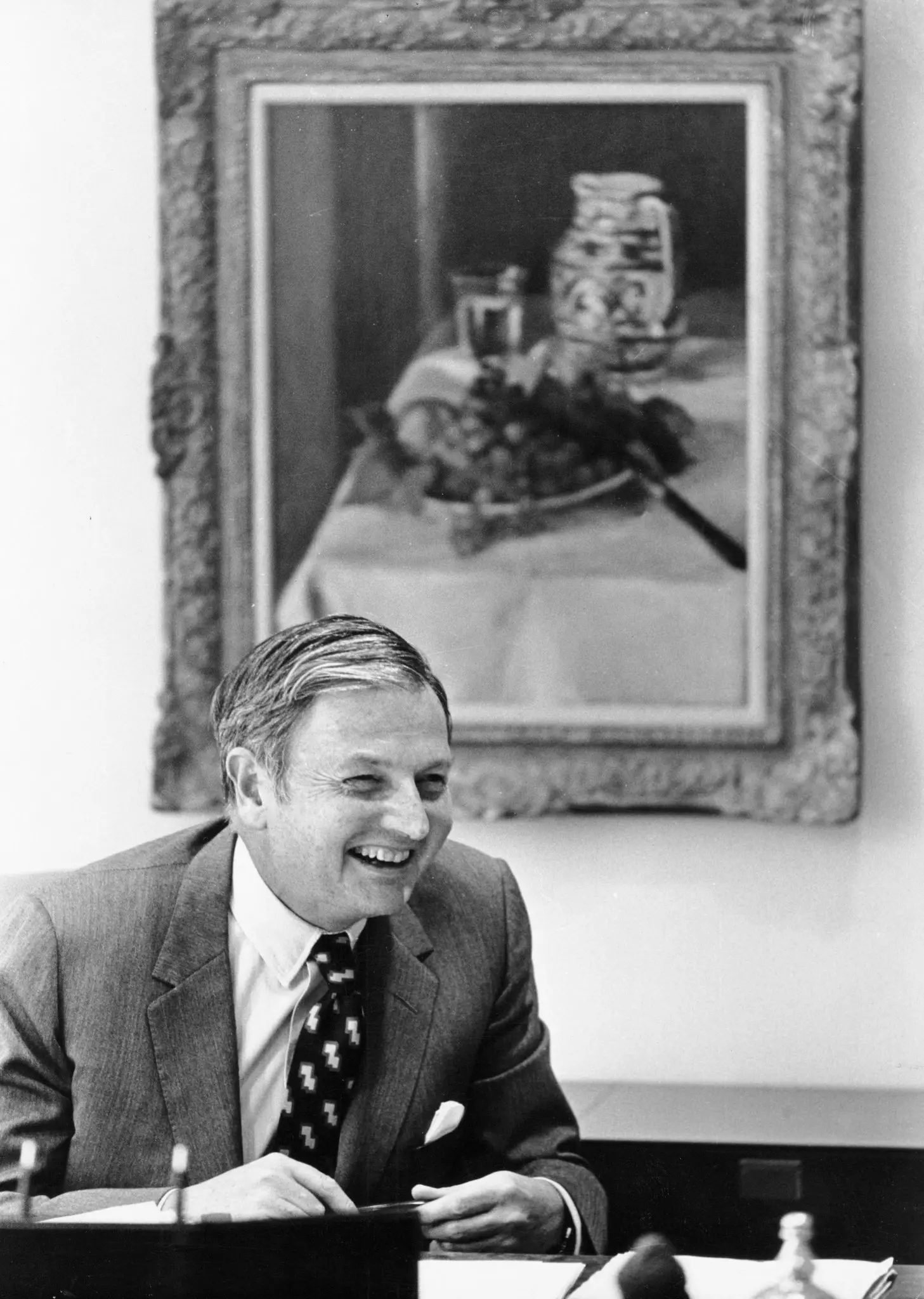
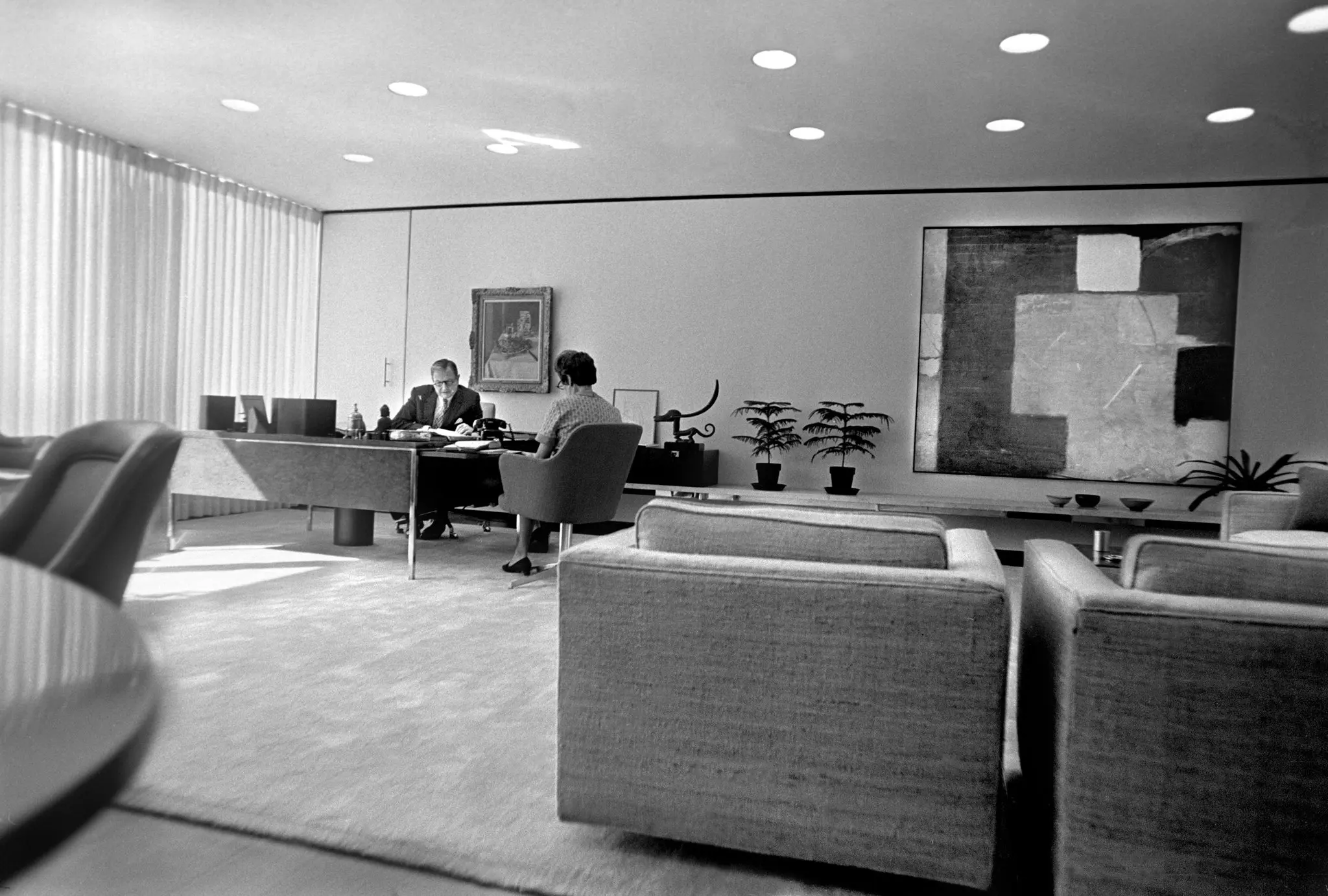
Then there was the office at Chase Manhattan Bank, high above Rockefeller Center — the collection at its most public and most strategic. In 1959 Rockefeller led the creation of the Chase Manhattan art program, one of the first serious corporate collections, advised by a committee that included Barr and MoMA's inaugural curator, Dorothy C. Miller. [13]
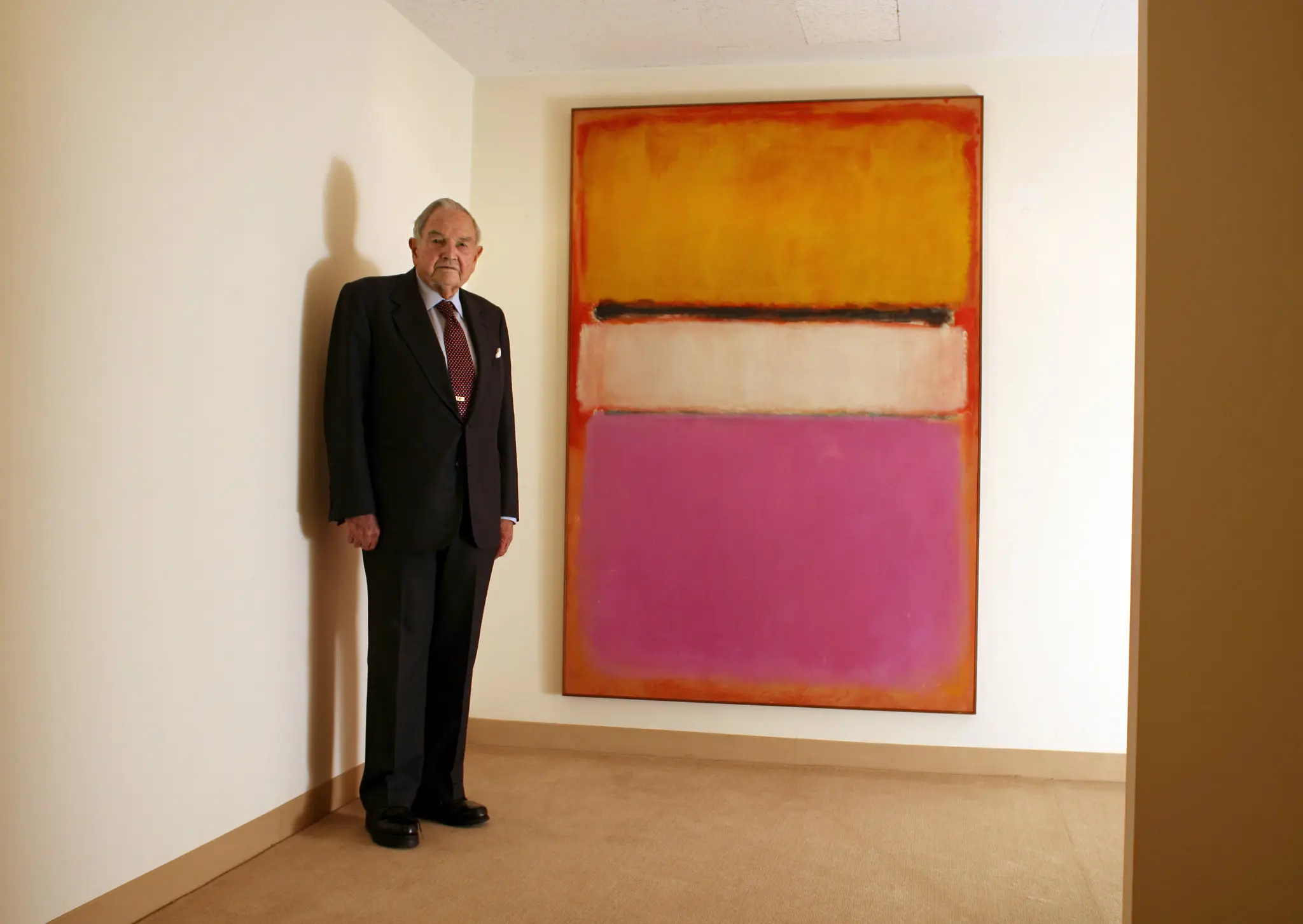
It was Miller who pushed Rockefeller beyond his comfort zone. On her urging he bought Mark Rothko's 1950 canvas "White Center (Yellow, Pink and Lavender on Rose)" in June 1960, for less than $10,000, and hung it in his office. [14] The picture would sell for $72.8 million at Sotheby's New York in 2007 — at the time a record for the artist. [15] No single object better measures the distance the collection travelled: from a purchase a curator had to talk him into, to one of the defining prices of the postwar market.
The full measure came in 2018, when the sale of the couple's collection realized nearly $835 million, setting a record for the most valuable private collection sold at auction, surpassing the $443 million total for the Yves Saint Laurent collection in 2009. [16] "I have three categories of art: Oh, Oh my, and Oh my God. This is all Oh my God," Ronald Lauder said of the holdings. "It's the best of the best. Picasso, Manet, Monet, Derain . . . whatever I saw in their houses was the finest example of its type — the best work that that artist did." [10] It was, in effect, the market pricing a lifetime of Barr's tutelage.
That the proceeds went largely to philanthropy was in keeping with where the collection began. Rockefeller's name remains most closely associated with his gifts to MoMA, including a $100 million pledge in April 2005 — then the largest the museum had ever received. In 2019 his estate broke its own record with a $200 million donation. [17] The works Barr had steered toward the museum, one cocktail-party conversation at a time, had finally come home.
Image: Henri Matisse, “Odalisque couchée aux magnolias” (1923) at Hudson Pines © Succession H. Matisse/ DACS 2018
Authors: Tobias Czudej, Susan McDonough
8 July 2026
Czudej McDonough Mailing List
Close