The Collectors: Gifford and Joann Phillips
The Collectors: Gifford and Joann Phillips
“Contemporary collecting, it seems to me, involves the eye and the mind in a particular relationship. The eye must be relied on primarily, for it is usually the more trustworthy guide, especially when the forms are novel,” Gifford Phillips once said. “I have found in collecting that there is still no substitute for time and repeated exposure in distinguishing the artist of superior talent.” [1]
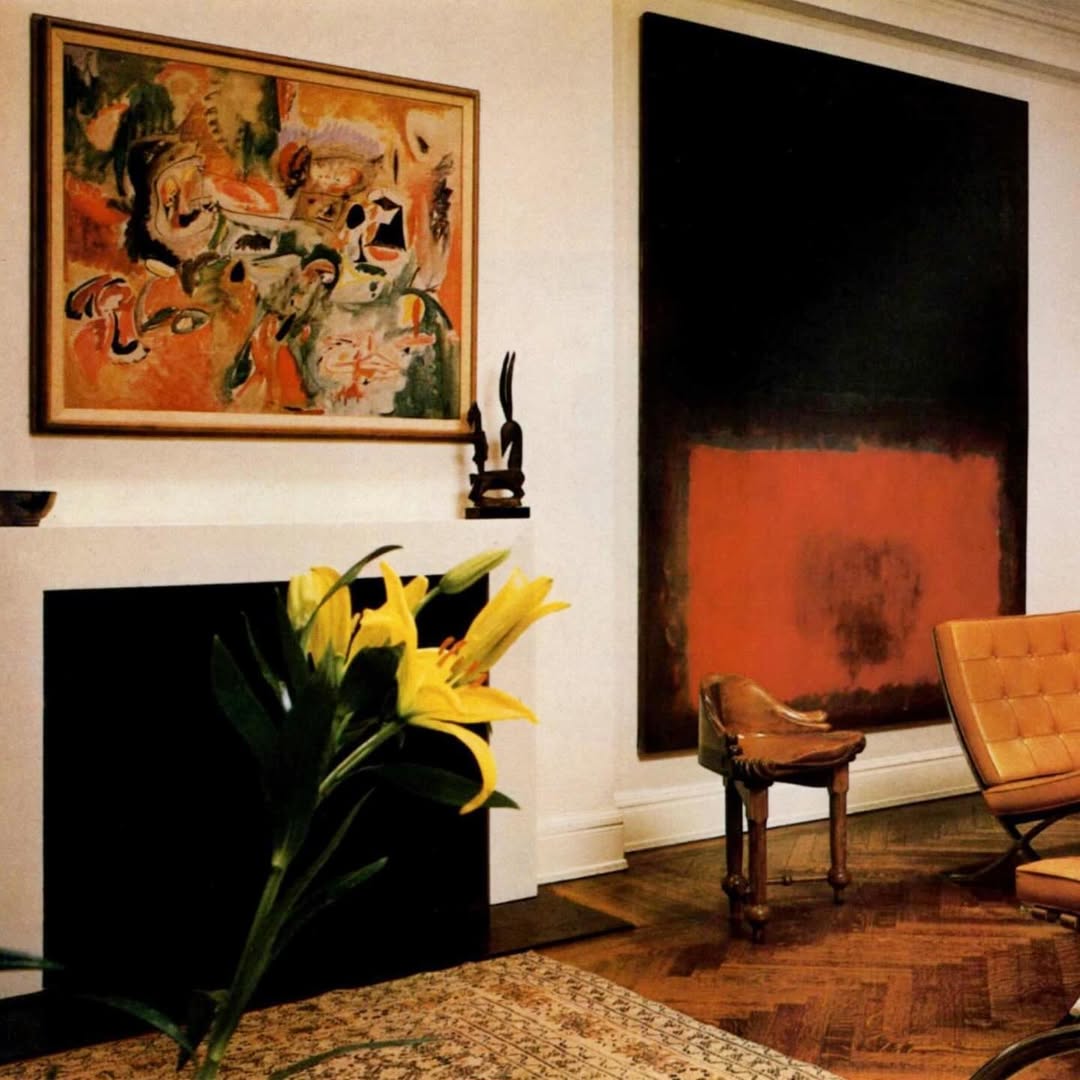
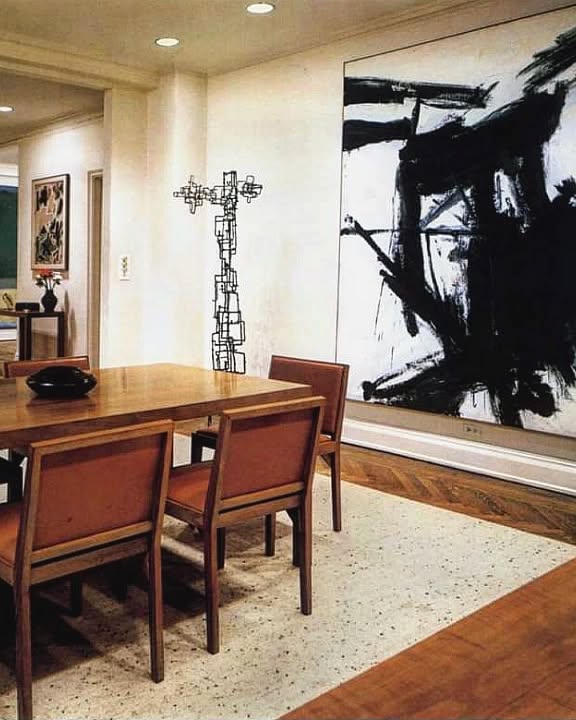
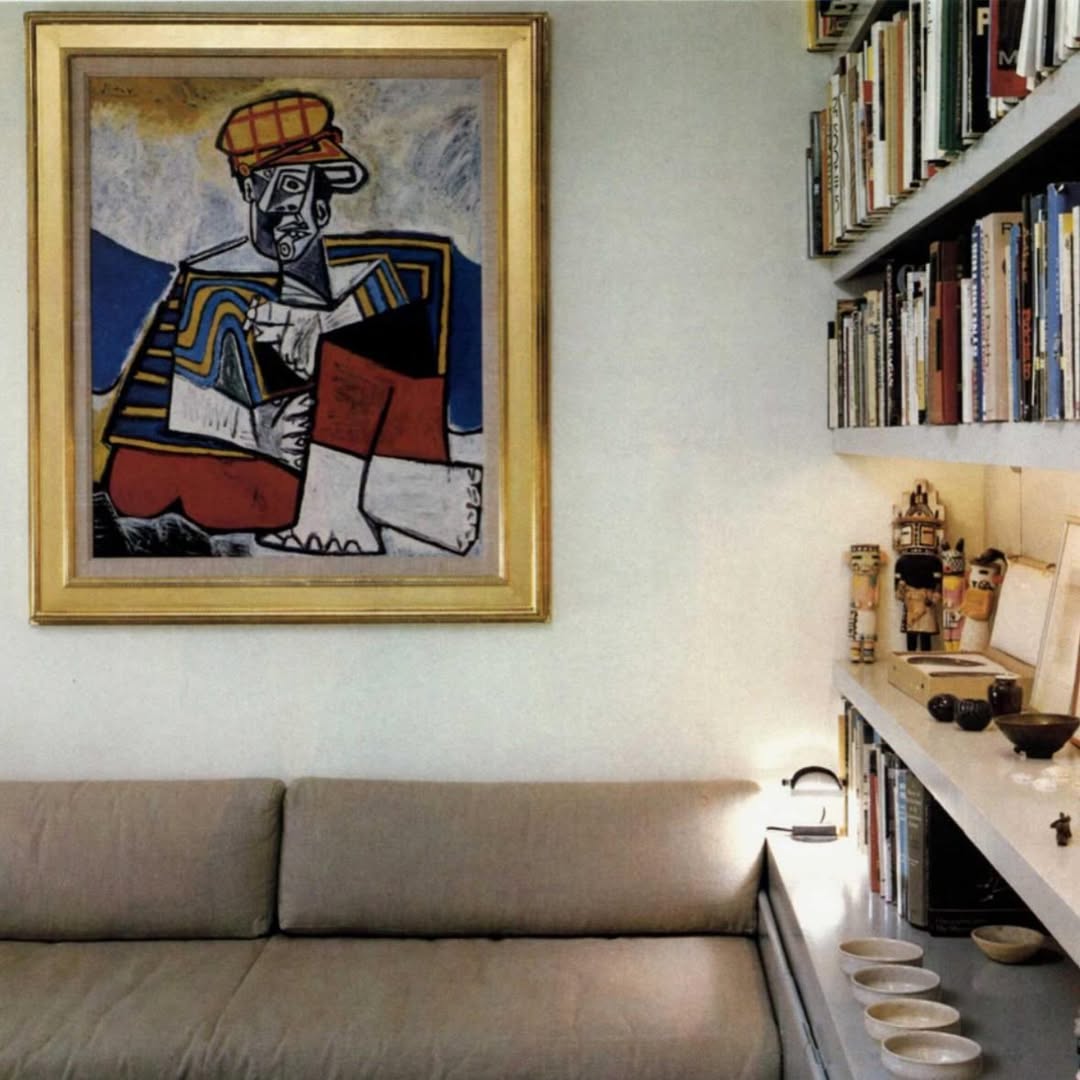
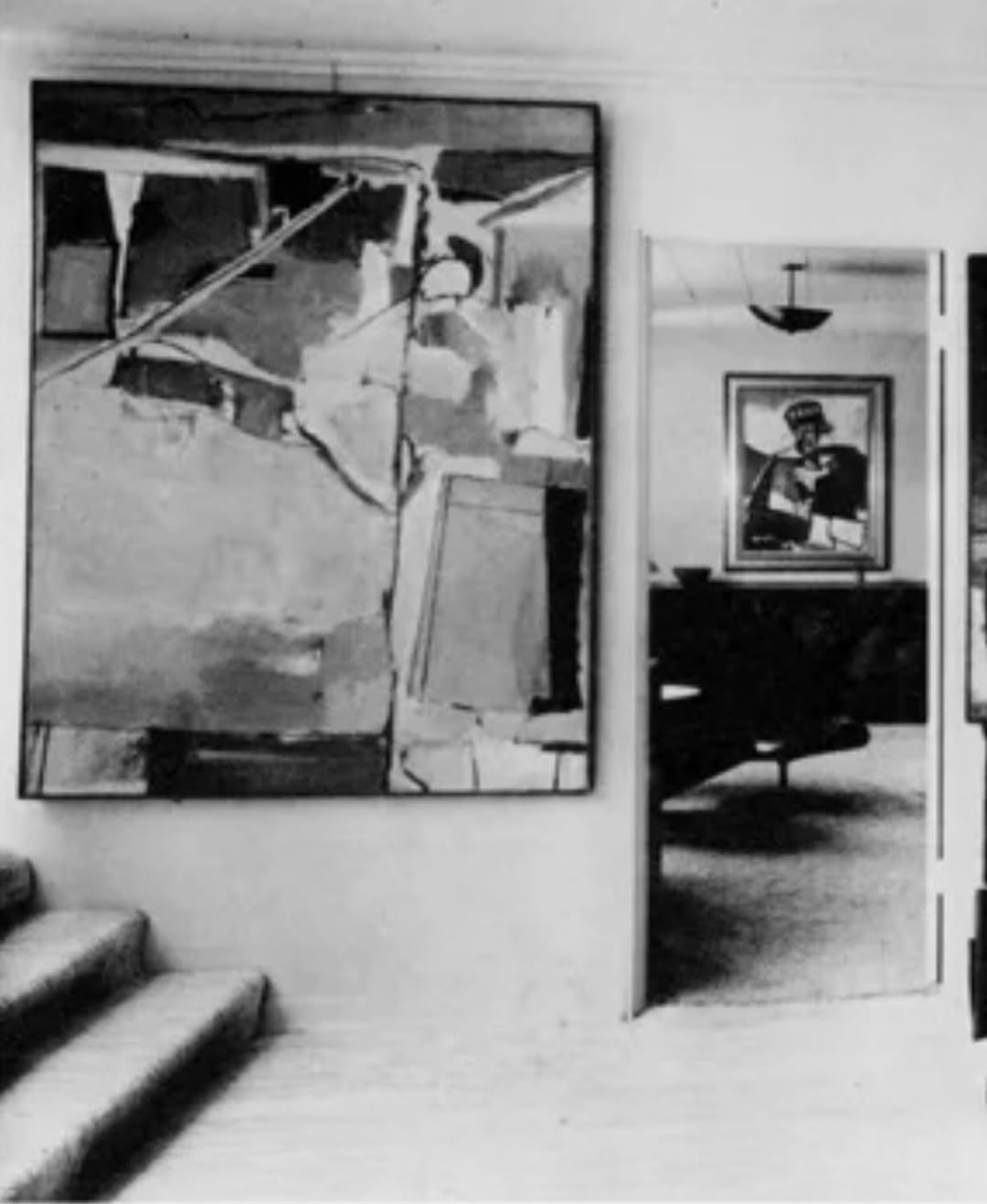
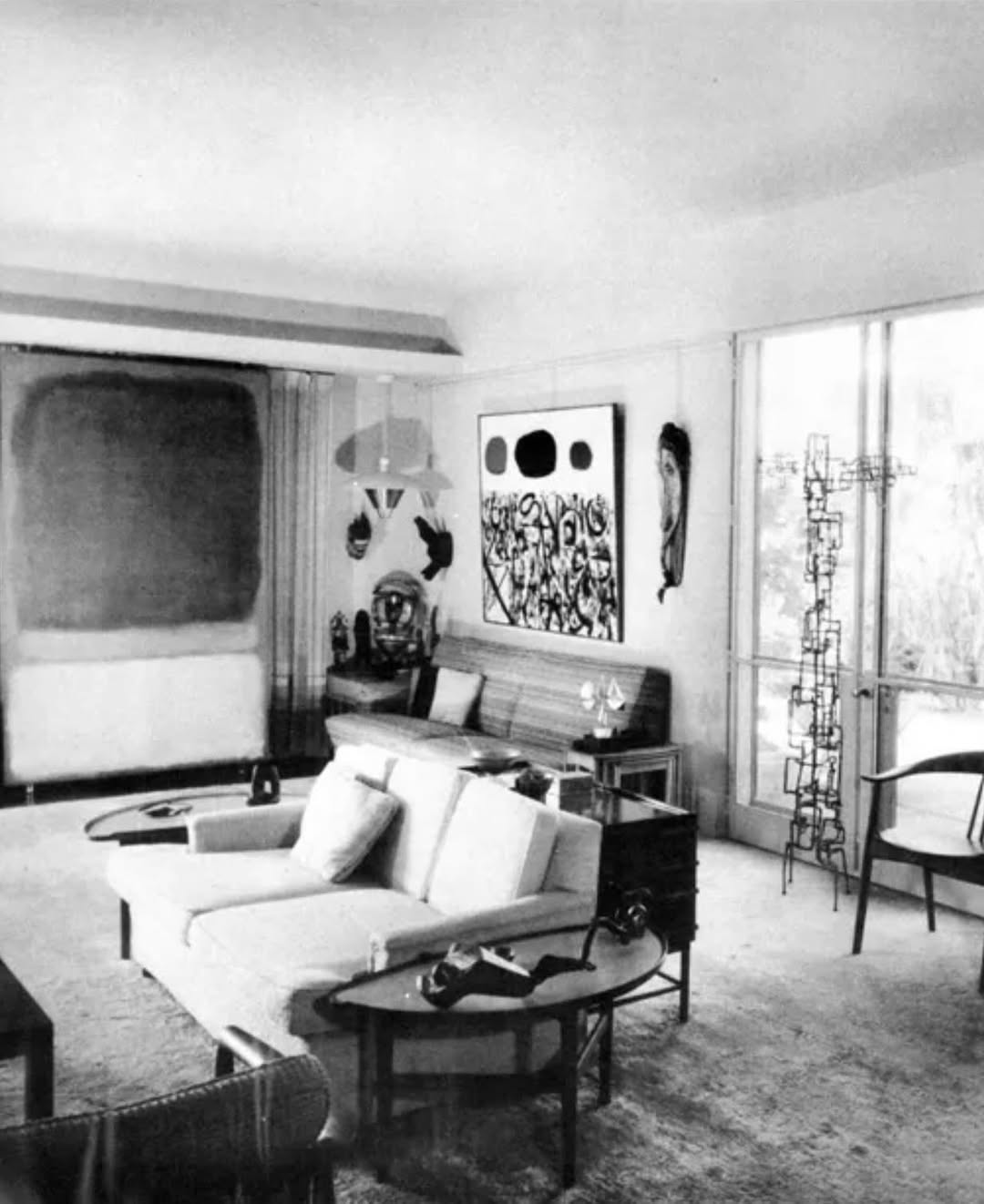
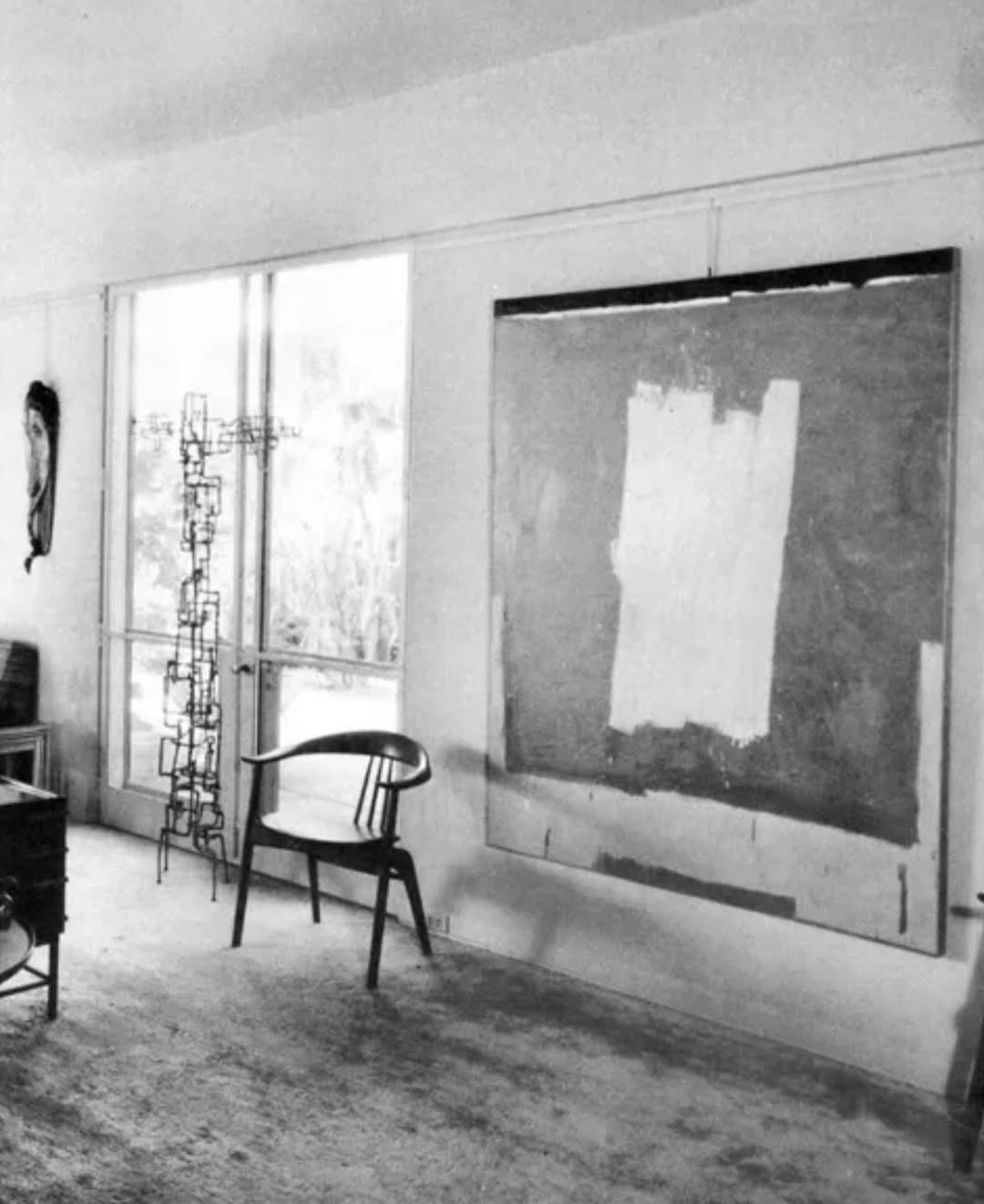
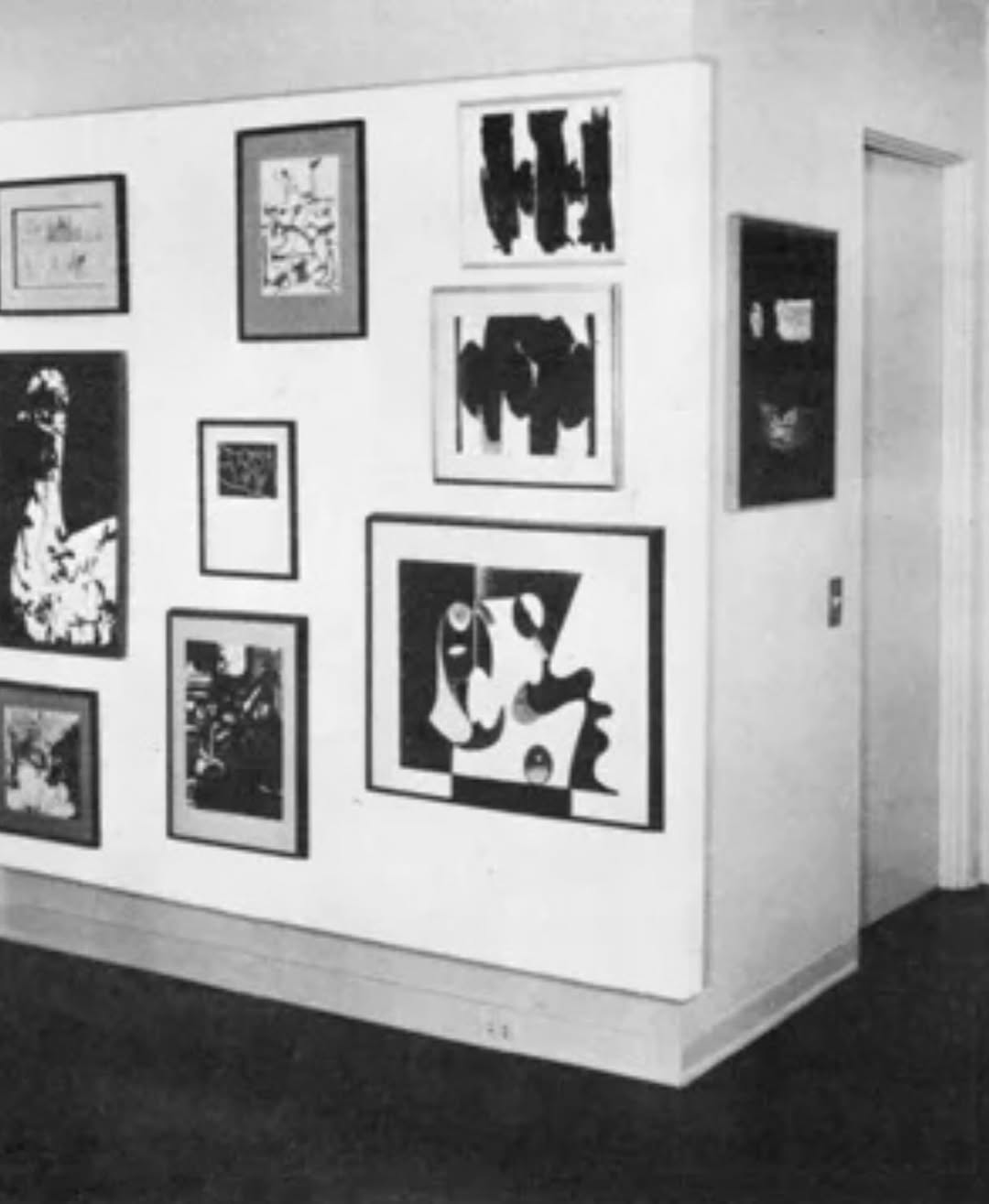
Gifford and his wife, Joann, were patrons of cultural institutions and passionate advocates of contemporary art. Their personal collection included work by Richard Diebenkorn, Willem de Kooning, Robert Motherwell, and Mark Rothko.
Giffords was the nephew of art collector Duncan Phillips, who founded the Phillips Collection in Washington, D.C. He was born into a wealthy steel family in 1918. After the death of his father, he was raised by his mother and stepfather in Colorado and had an Ivy League education. Around the same time, Gifford donated Paul Cezanne’s “Ginger Pot with Pomegranate and Pears” to the Phillips Collection in memory of his father, at his uncle’s behest.
In 1949, after moving to Los Angeles, Gifford co-founded Frontier, a liberal West Coast political magazine. He published the magazine until 1966 when it was folded into The Nation. Gifford was a partner in Pardee Phillips, a real estate corporation, and was active in California Democratic politics; he met his wife, Joann Kocher, at a political event, and they married in 1953. [2]
“The only reason at that time to purchase art was to fill considerable wall space,” Gifford wrote in a 2009 essay. “We had purchased a large, modern house in Santa Monica, California and there were many bare walls.” [3]
“We knew little or nothing about the latest trend in contemporary art,” he wrote,” and even less about what were the most important galleries in Los Angeles that showed modern art, which turned out to be our area of interest.” They were directed by friends to the Felix Landau Gallery and the Paul Kantor Gallery, where they bought works by Ynez Johnston, Lee Mullican, Emerson Woelffer, and Richard Diebenkorn. [Ibid.]
The couple tended to concentrate on a few artists in depth. They initially focused on Diebenkorn before turning their attention to Robert Motherwell. They bought their first pieces by the artist from the Los Angeles County Fair in Pomona around 1954 and would go on to own several works from his “Elegy to the Spanish Republic” series. Motherwell, in turn, introduced them to Mark Rothko, whose personality Gifford described as “Assertive, often caustic. He had a low opinion of collectors, and we were flattered that he seemed to like us.” [Ibid.]
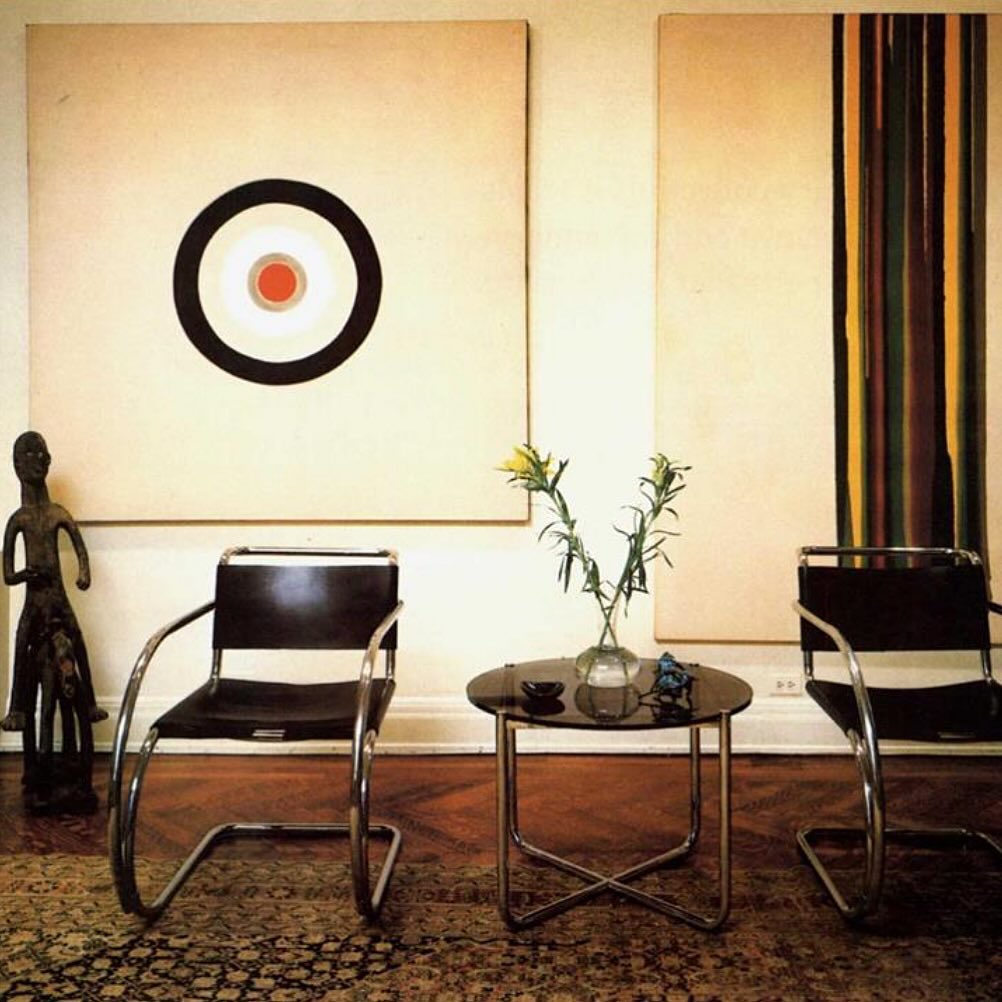
“We were most excited by the first-generation Abstract Expressionist painters, though we went on to acquire paintings by artists such as Kenneth Noland, Morris Louis and others. At first our choices were made unconsciously, but during the last ten years we have consciously selected things that are stylistically and visually related,” Gifford told Architectural Digest in 1983. “It’s the organic approach, rather than, as my uncle used to say, ‘the postage stamp’ or one-example-of-everything approach to collecting.” [1]
Gifford was the founding chairman of the Contemporary Art Council at the Los Angeles County Museum of Art (LACMA) in 1961. He was a Trustee and President of the Pasadena Art Museum from 1970 to 1974, a period during which the financially-troubled institution was rescued by the Industrialist Norton Simon, who installed his name and collection. [4]
Phillips detailed his “important if somewhat reluctant part” in this transformation in a 1996 essay, “Depending on the Rich: The Collapse and Takeover of an Art Museum.” “In this sad state of affairs,” he concluded, “cultural institutions may end up being more dependent than ever on the generosity of well-to-do donors. We can hope that their ongoing generosity is matched by good judgment.” [5]
Gifford served as a trustee at the Museum of Modern Art for four decades beginning in 1966, and he was instrumental in securing the collection of the late Gertrude Stein. In their later years, the couple moved to Santa Fe and became involved in the conservation of Pueblo Indian art. “We were interested in Pueblo culture—we loved the dances and collected a lot of artifacts: the baskets, old tapestries, the weavings, the blankets,” Gifford said. “I became interested in helping preserve the culture and feared with Santa Fe and Albuquerque growing, it would be wiped out.” [6] This passion led to the creation of the Chamiza Foundation, which gives grants primarily to Pueblo people to sustain tribal life and traditions.
Images 5, 6, 7, 8: Photo: Billy Cunningham for Architectural Digest US June 1983
Gifford and his wife, Joann, were patrons of cultural institutions and passionate advocates of contemporary art. Their personal collection included work by Richard Diebenkorn, Willem de Kooning, Robert Motherwell, and Mark Rothko.
Giffords was the nephew of art collector Duncan Phillips, who founded the Phillips Collection in Washington, D.C. He was born into a wealthy steel family in 1918. After the death of his father, he was raised by his mother and stepfather in Colorado and had an Ivy League education. Around the same time, Gifford donated Paul Cezanne’s “Ginger Pot with Pomegranate and Pears” to the Phillips Collection in memory of his father, at his uncle’s behest.
In 1949, after moving to Los Angeles, Gifford co-founded Frontier, a liberal West Coast political magazine. He published the magazine until 1966 when it was folded into The Nation. Gifford was a partner in Pardee Phillips, a real estate corporation, and was active in California Democratic politics; he met his wife, Joann Kocher, at a political event, and they married in 1953. [2]
“The only reason at that time to purchase art was to fill considerable wall space,” Gifford wrote in a 2009 essay. “We had purchased a large, modern house in Santa Monica, California and there were many bare walls.” [3]
“We knew little or nothing about the latest trend in contemporary art,” he wrote,” and even less about what were the most important galleries in Los Angeles that showed modern art, which turned out to be our area of interest.” They were directed by friends to the Felix Landau Gallery and the Paul Kantor Gallery, where they bought works by Ynez Johnston, Lee Mullican, Emerson Woelffer, and Richard Diebenkorn. [Ibid.]
The couple tended to concentrate on a few artists in depth. They initially focused on Diebenkorn before turning their attention to Robert Motherwell. They bought their first pieces by the artist from the Los Angeles County Fair in Pomona around 1954 and would go on to own several works from his “Elegy to the Spanish Republic” series. Motherwell, in turn, introduced them to Mark Rothko, whose personality Gifford described as “Assertive, often caustic. He had a low opinion of collectors, and we were flattered that he seemed to like us.” [Ibid.]
“We were most excited by the first-generation Abstract Expressionist painters, though we went on to acquire paintings by artists such as Kenneth Noland, Morris Louis and others. At first our choices were made unconsciously, but during the last ten years we have consciously selected things that are stylistically and visually related,” Gifford told Architectural Digest in 1983. “It’s the organic approach, rather than, as my uncle used to say, ‘the postage stamp’ or one-example-of-everything approach to collecting.” [1]
Gifford was the founding chairman of the Contemporary Art Council at the Los Angeles County Museum of Art (LACMA) in 1961. He was a Trustee and President of the Pasadena Art Museum from 1970 to 1974, a period during which the financially-troubled institution was rescued by the Industrialist Norton Simon, who installed his name and collection. [4]
Phillips detailed his “important if somewhat reluctant part” in this transformation in a 1996 essay, “Depending on the Rich: The Collapse and Takeover of an Art Museum.” “In this sad state of affairs,” he concluded, “cultural institutions may end up being more dependent than ever on the generosity of well-to-do donors. We can hope that their ongoing generosity is matched by good judgment.” [5]
Gifford served as a trustee at the Museum of Modern Art for four decades beginning in 1966, and he was instrumental in securing the collection of the late Gertrude Stein. In their later years, the couple moved to Santa Fe and became involved in the conservation of Pueblo Indian art. “We were interested in Pueblo culture—we loved the dances and collected a lot of artifacts: the baskets, old tapestries, the weavings, the blankets,” Gifford said. “I became interested in helping preserve the culture and feared with Santa Fe and Albuquerque growing, it would be wiped out.” [6] This passion led to the creation of the Chamiza Foundation, which gives grants primarily to Pueblo people to sustain tribal life and traditions.
Images 5, 6, 7, 8: Photo: Billy Cunningham for Architectural Digest US June 1983
Author: Tobias Czudej
Image: African sculpture; Kenneth Noland, “Cycle” (1960); Morris Louis, “Earth Gamut” (1961); Sculptures by Claire Falkenstein atop a table by Mies Van Der Rohe
03.18.2026