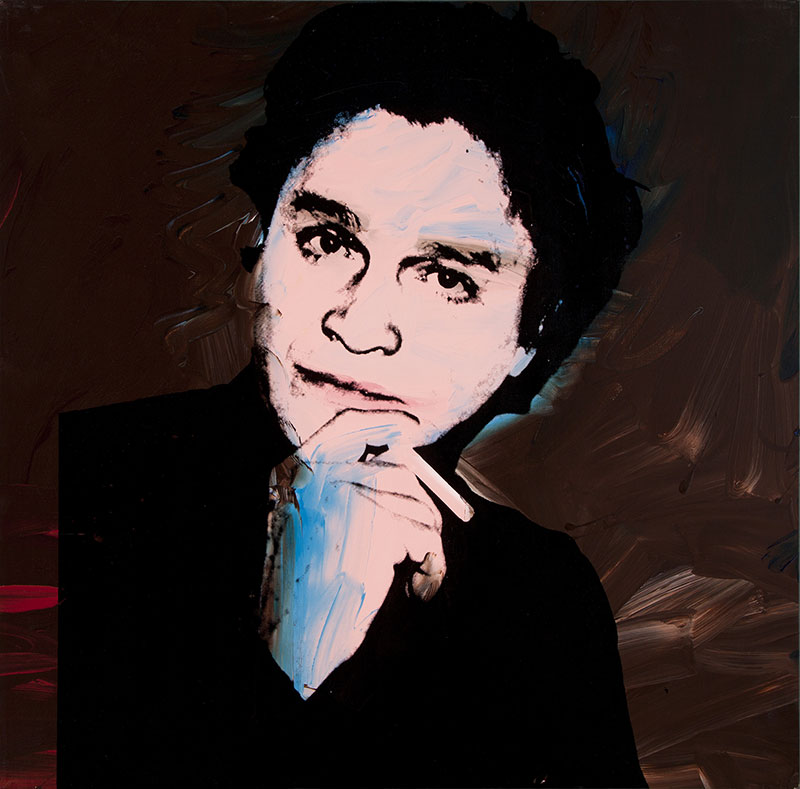
The Dealer: Alexander Iolas
The Dealer11.19.2025
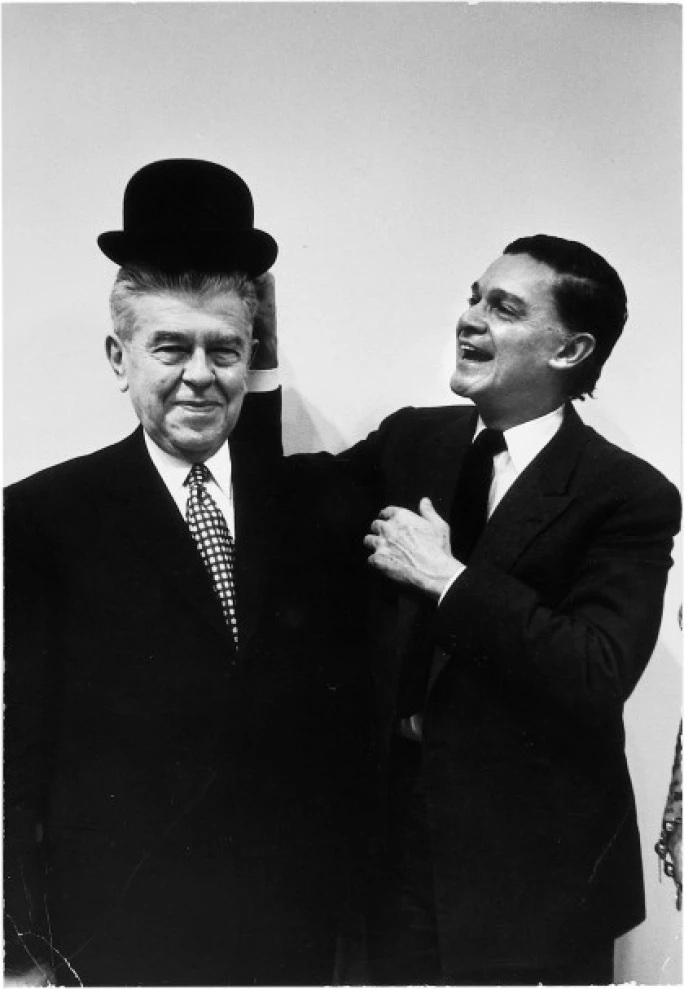
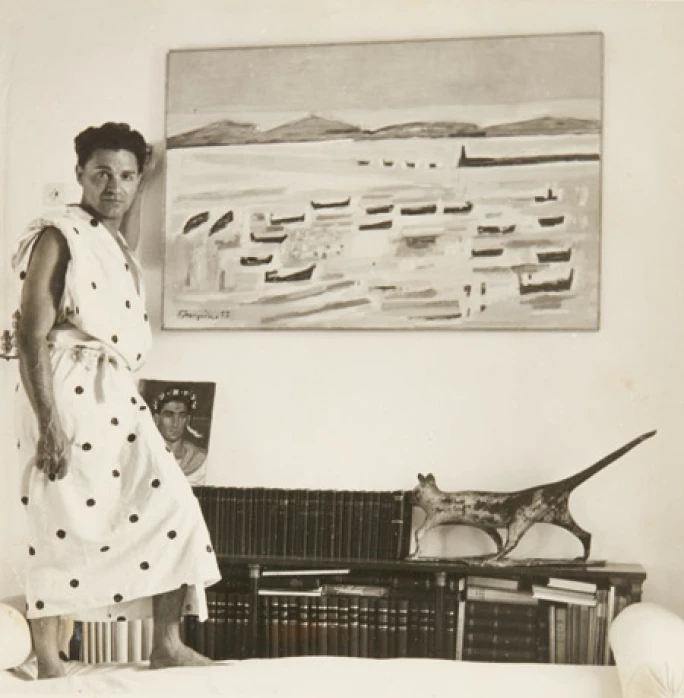
Gallerist and collector Alexander Iolas was born Constantinos Coutsoudis to a wealthy Greek cotton merchant family in Alexandria, Egypt, most likely around 1908. He rejected the family trade and pursued an artistic life from a young age. He would later adopt the surname “Iolas” as it was easier to pronounce, but also in reference to the Greek mythological hero Iolaus, a companion of Heracles. Iolas was a devoted ballet dancer, studying in Athens and Berlin. He arrived in Paris in 1932, where he studied art at the Sorbonne and befriended socialite and photographer Florence Meyer. Her father, Washington Post publisher Eugene Meyer, helped Iolas obtain a green card. [1]
After injury and age forced him to conclude his dancing career, Iolas turned towards the world of visual art. Later, he would connect his love of modern art to an encounter with Giorgio de Chirico’s “Melancholy” in a gallery on Rue Marignan. He bought the painting on credit and later claimed this moment as the seed that would inspire him to one day open a gallery of his own. [2]
In September 1945, Iolas became the director of the Hugo Gallery, founded by Maria Ruspoli, Robert de Rothschild, and Elizabeth Arden. Ruspoli connected Iolas with John and Dominique de Menil, and he would advise the couple for decades. The Hugo Gallery exhibited the works of European surrealist artists, such as René Magritte, Max Ernst, Giorgio de Chirico and Victor Brauner, among others. In 1952, Iolas and the Hugo Gallery presented Andy Warhol’s debut show, “Fifteen Drawings Based on the Writings of Truman Capote.”
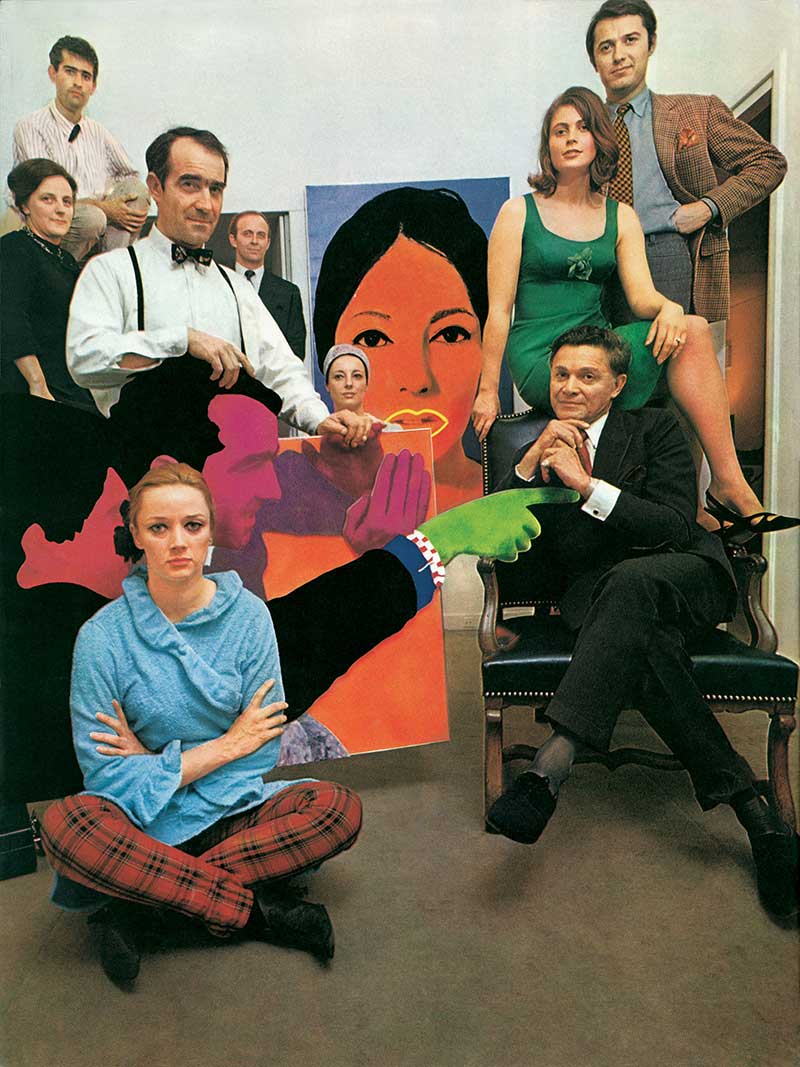
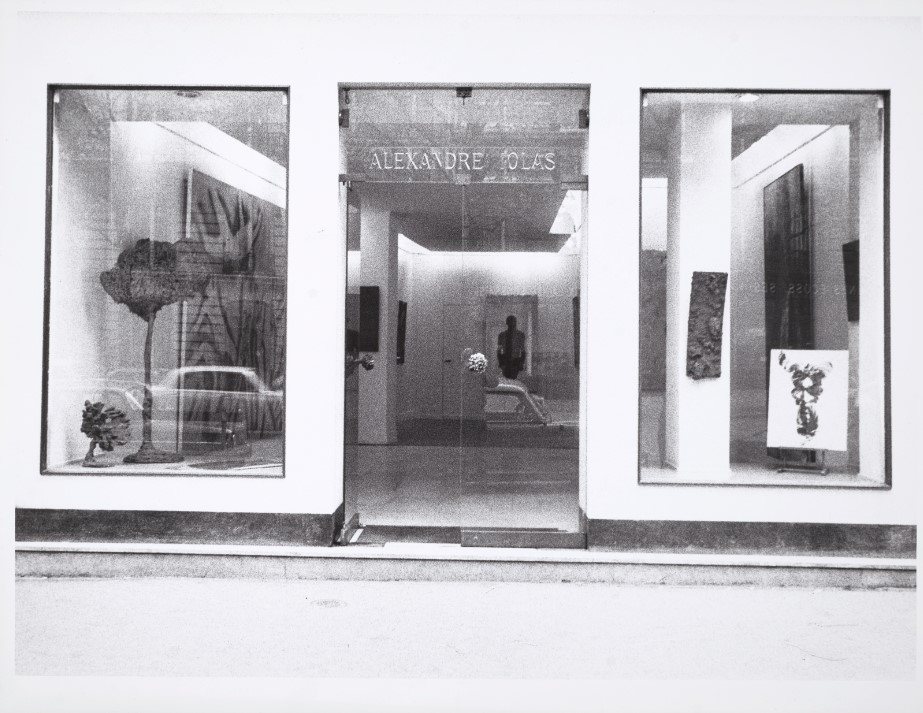
In the mid-50s, the gallery expanded and was renamed Alexander Iolas Inc. Iolas pioneered the global gallery system, opening locations in Geneva, Paris, Milan, Zurich, Madrid, and Rome. In the 1960s and 70s, Iolas championed members of the Nouveau Réalisme movement such as Jean Tinguely, Niki de Saint Phalle, Martial Raysse and Yves Klein. He also worked with artists associated with Arte Povera, like Jannis Kounellis and Pino Pascali, Pop figures like Ed Ruscha, and Greek artists Alekos Fassianos, Marina Karella, and Nicolas Ghika.
“He was quite a character! Brilliant, intuitive, perverse, funny — and truly passionate about his work,” Saint Phalle recalled. “He could shut himself away for two days before a private view, alone with the works. He would even sleep in the gallery and refused to leave until the hanging was exactly as he wanted it.” [3]
Iolas was known for his flamboyant generosity, which he used to cultivate relationships with artists and clients like the British collector Pauline Karpidas. In the early days of their association, he gifted the de Menils Ernst’s “Design in Nature” (1917) and Magritte’s “The Alphabet of Revelations” (1929) to convince them of Surrealism's value. [4] He refused to describe himself as an art dealer, telling Vogue in August 1965, “I never sell a painting. I make people fall in love with the painting I love.” [3]
After the fall of the Greek military junta in 1974, Iolas fell into disgrace. He was accused of antique trafficking (charges were later dropped) and harassed by the Greek tabloids for his sexuality. [5] By the mid-1980s, keeping a promise he had made to Ernst, Iolas closed all the branches of his gallery following the artist’s death in 1976. Only the New York gallery continued operating until Iolas’ death. It was renamed after his business partner, former dancer Brooks Jackson, to become the Iolas-Jackson Gallery.
Among Iolas’ final actions as a gallerist was to commission Warhol to create a series of works inspired by Leonardo da Vinci’s “Last Supper” for the Palazzo delle Stelline in Milan. The artist died in February 1987, shortly after the exhibition’s opening. Iolas died months later, on June 8, 1987, of AIDS. [6]
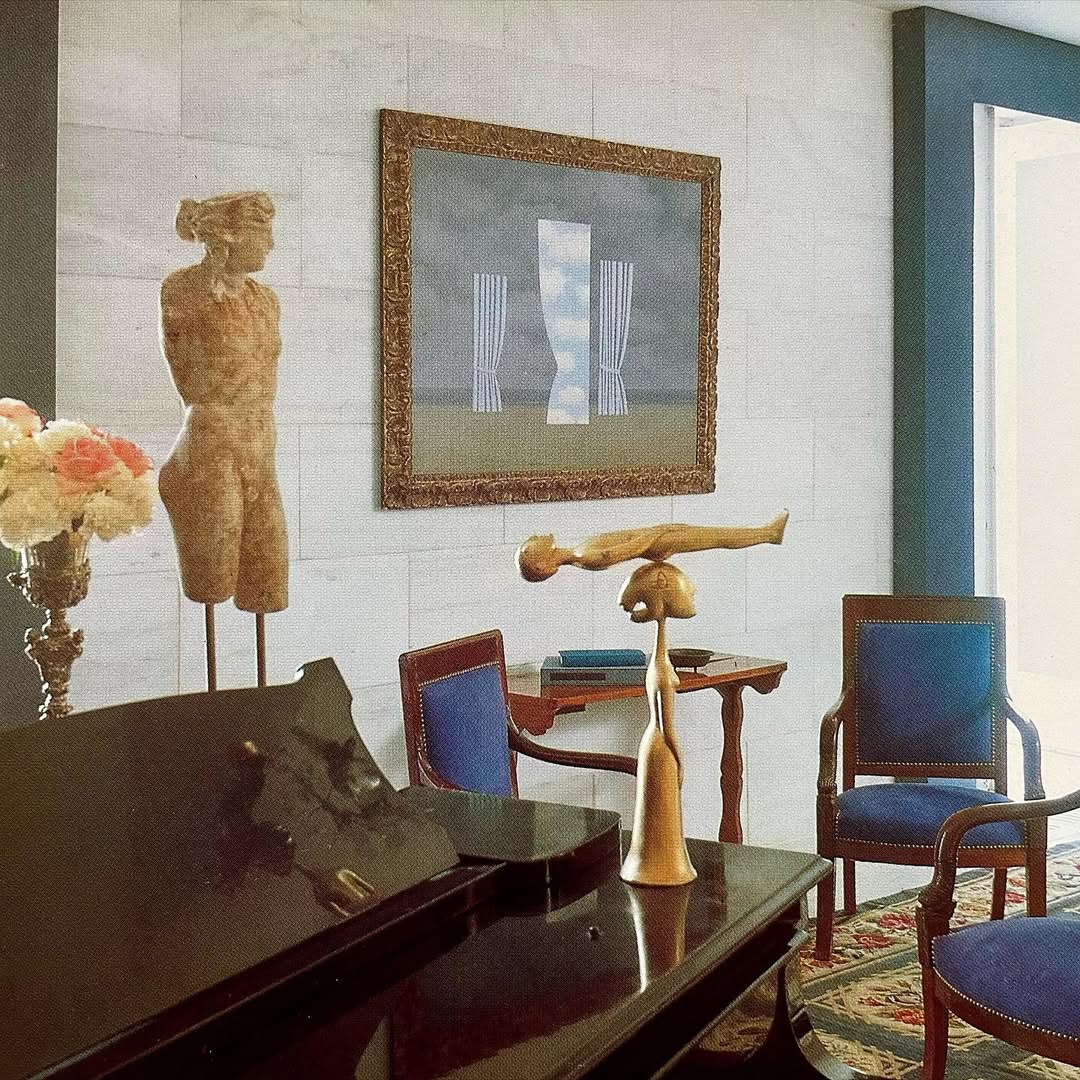
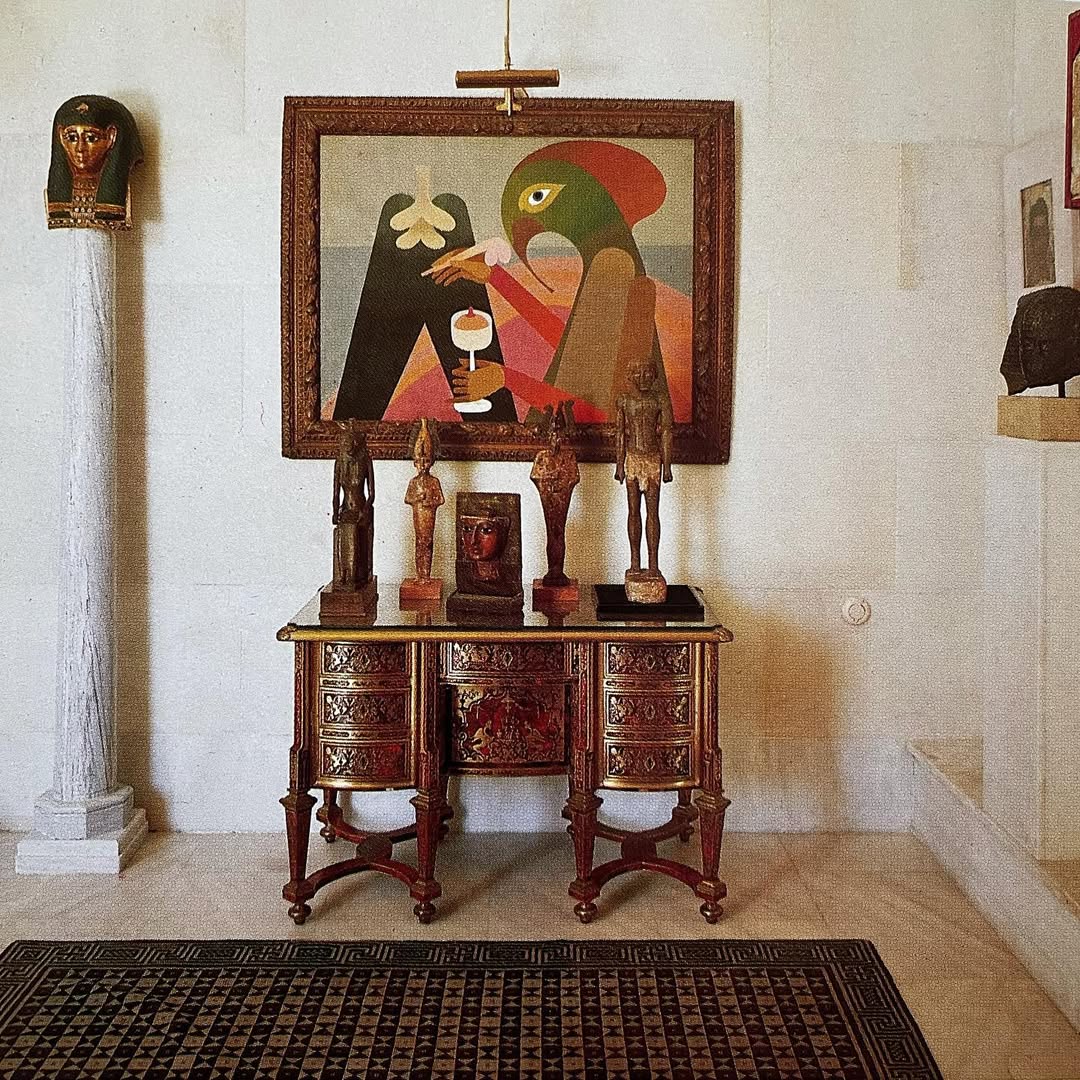
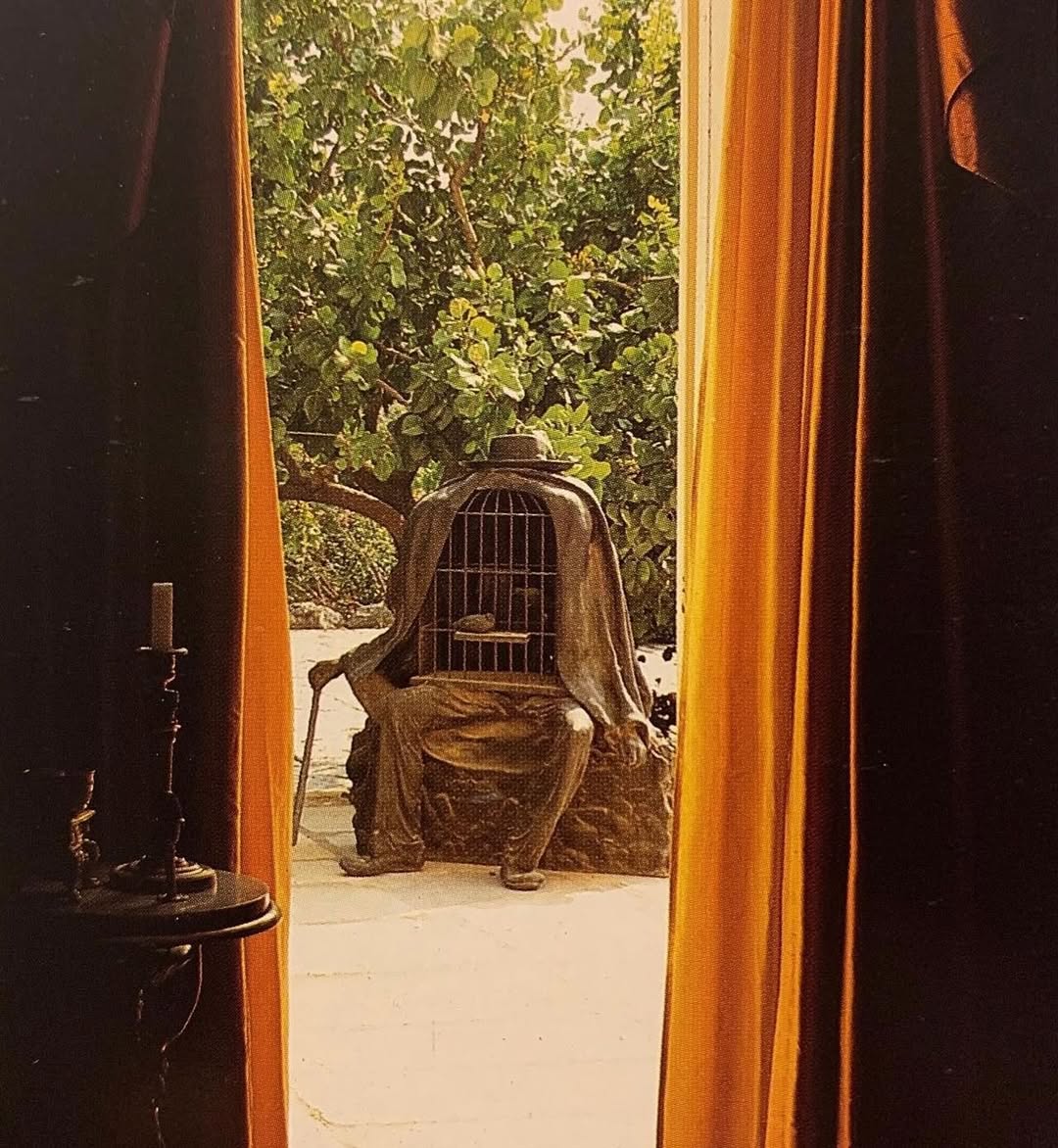
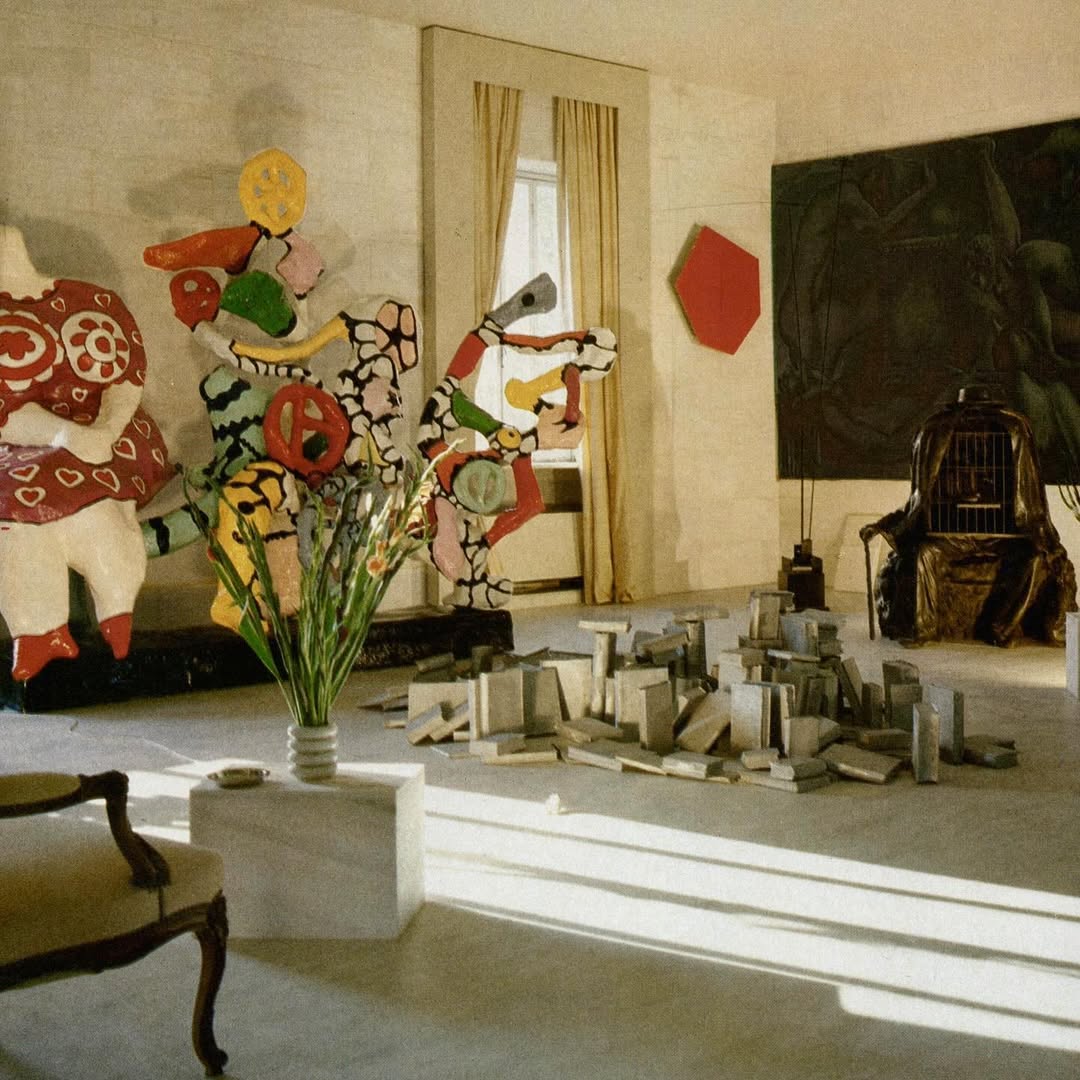
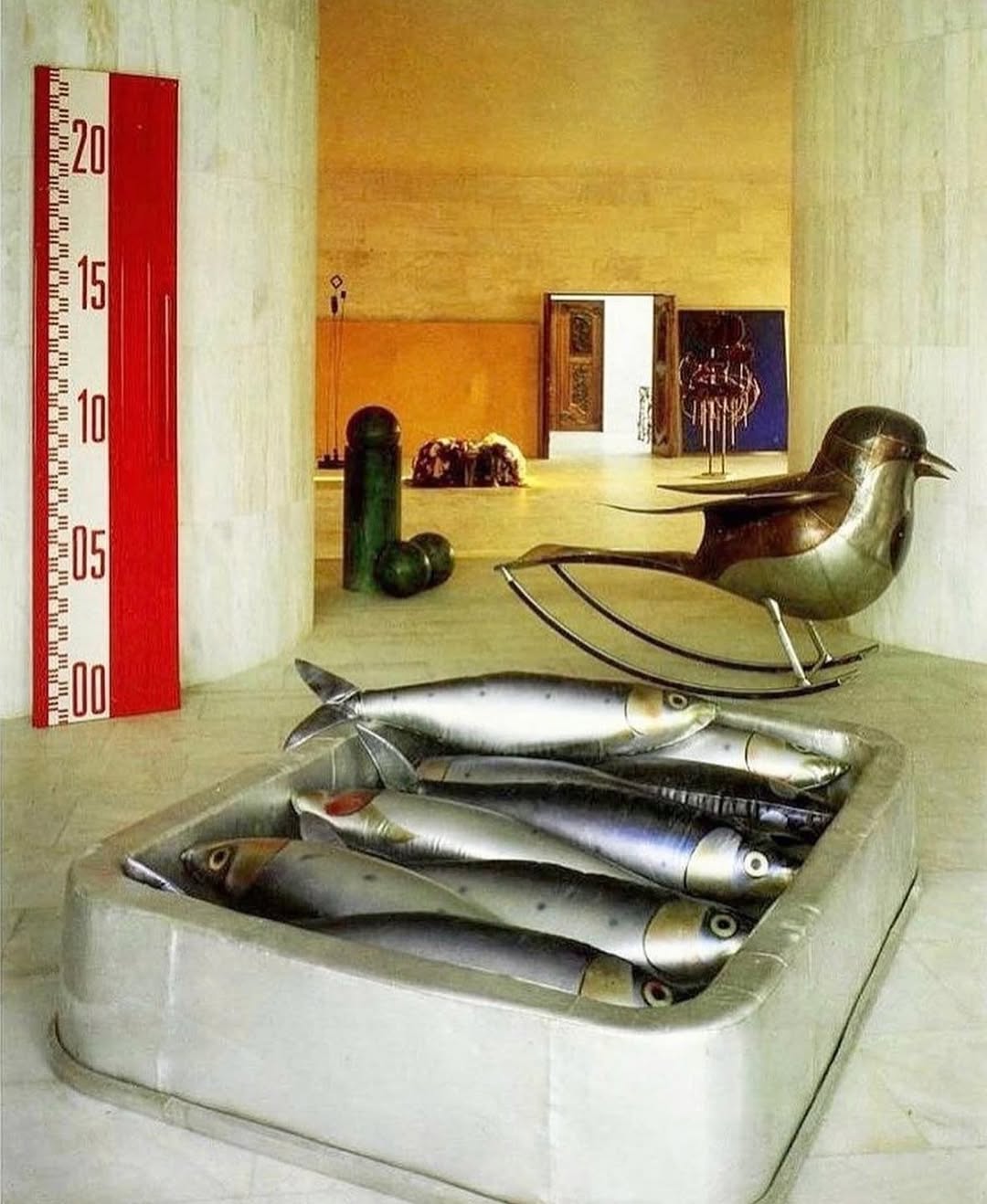
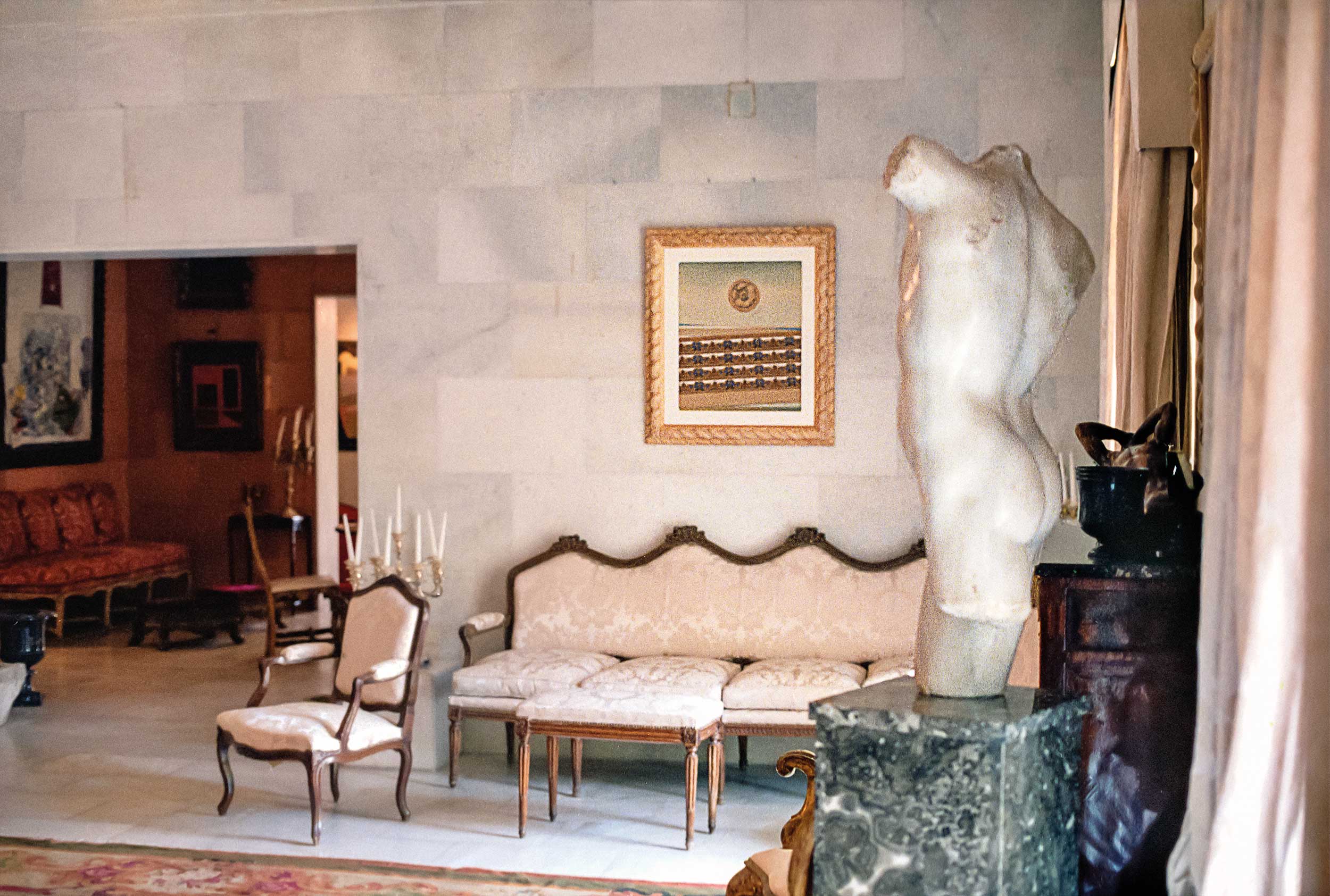
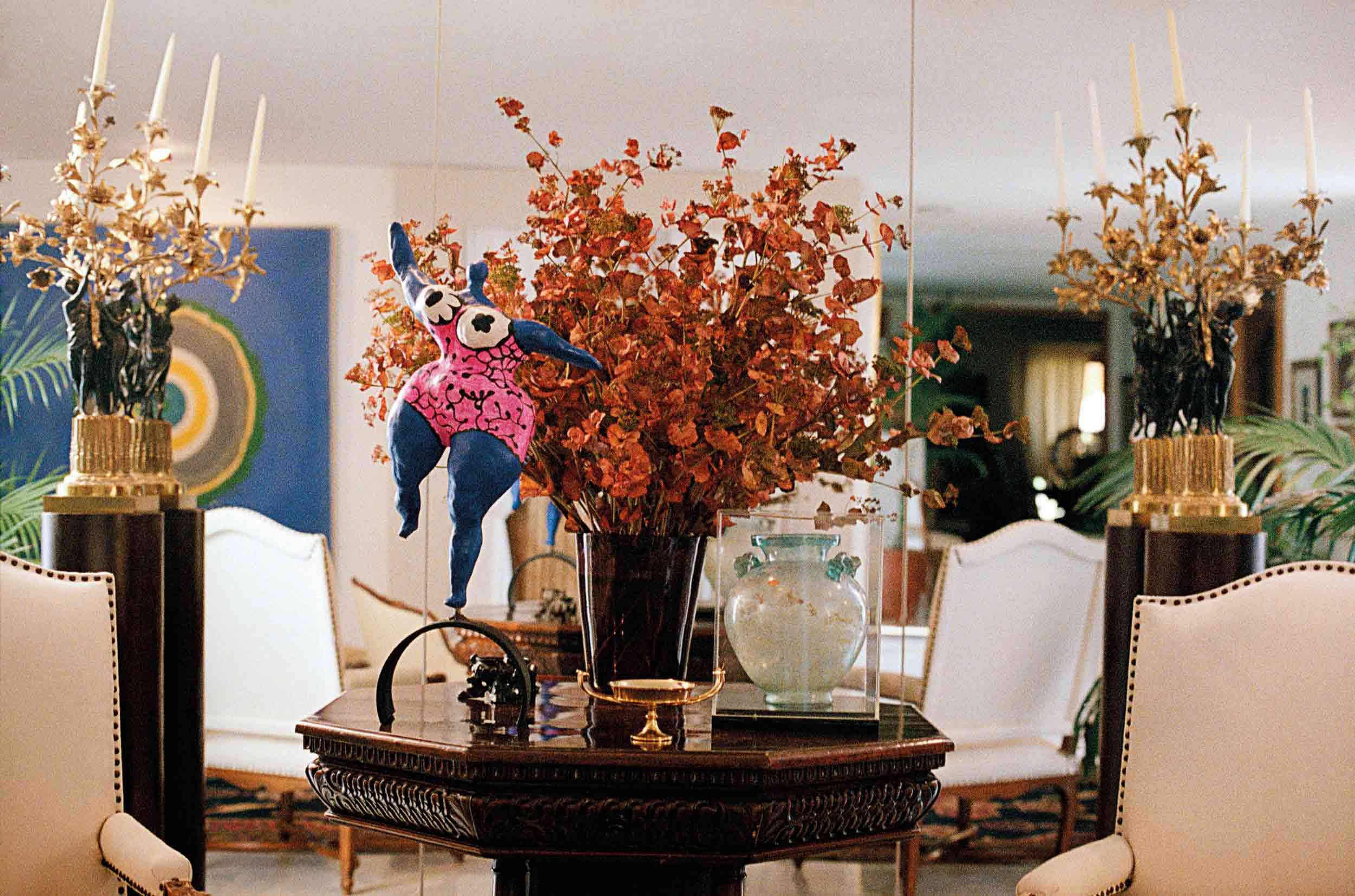
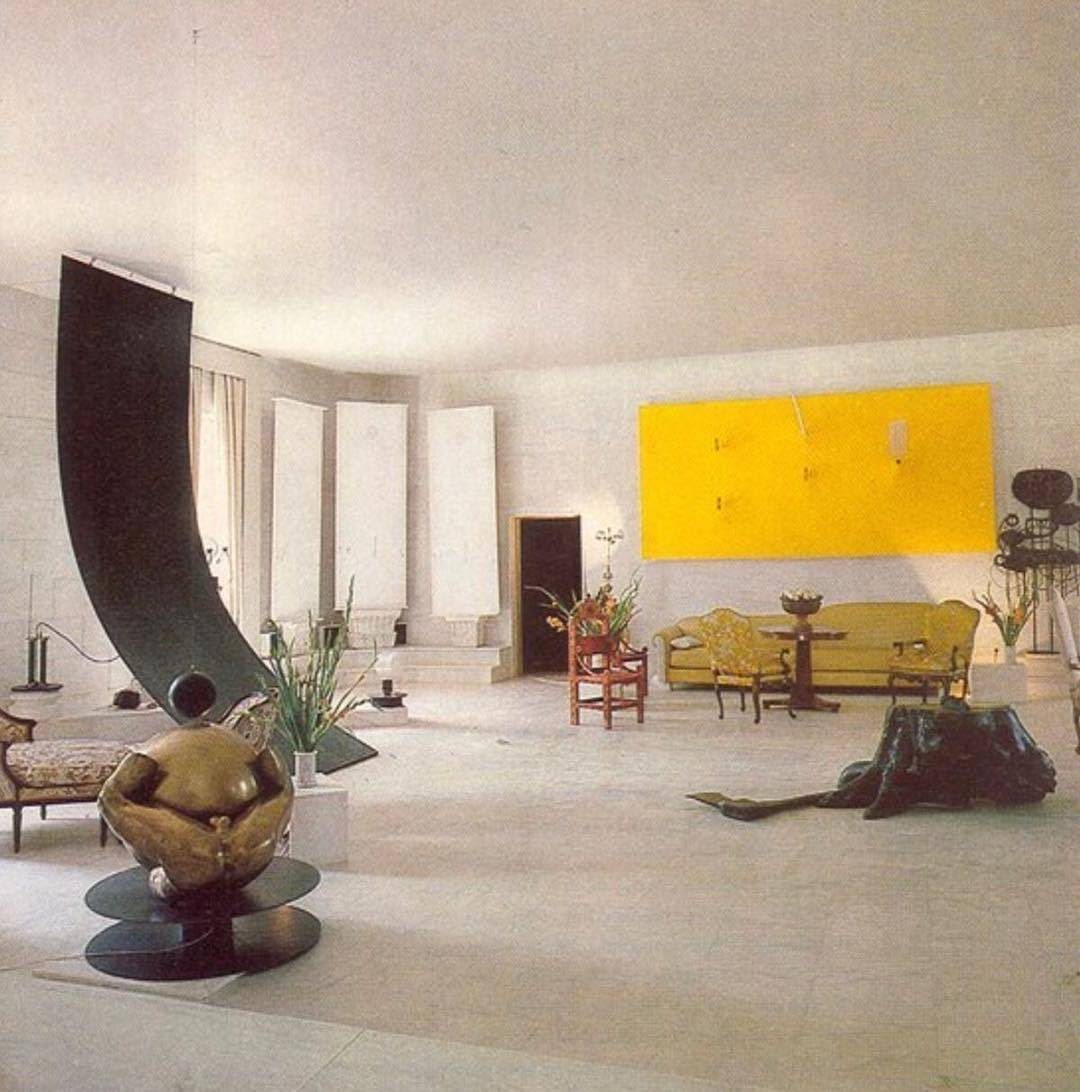
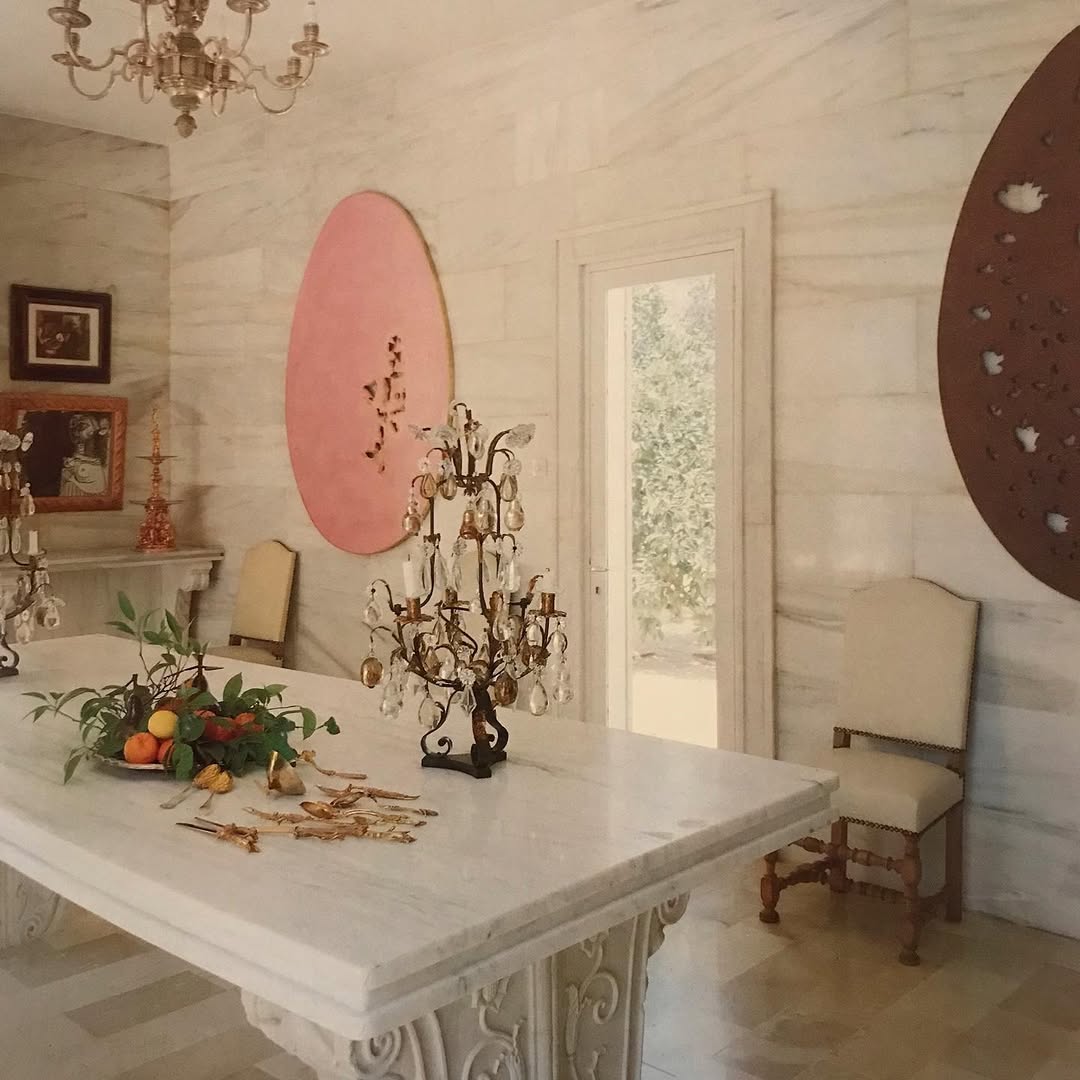
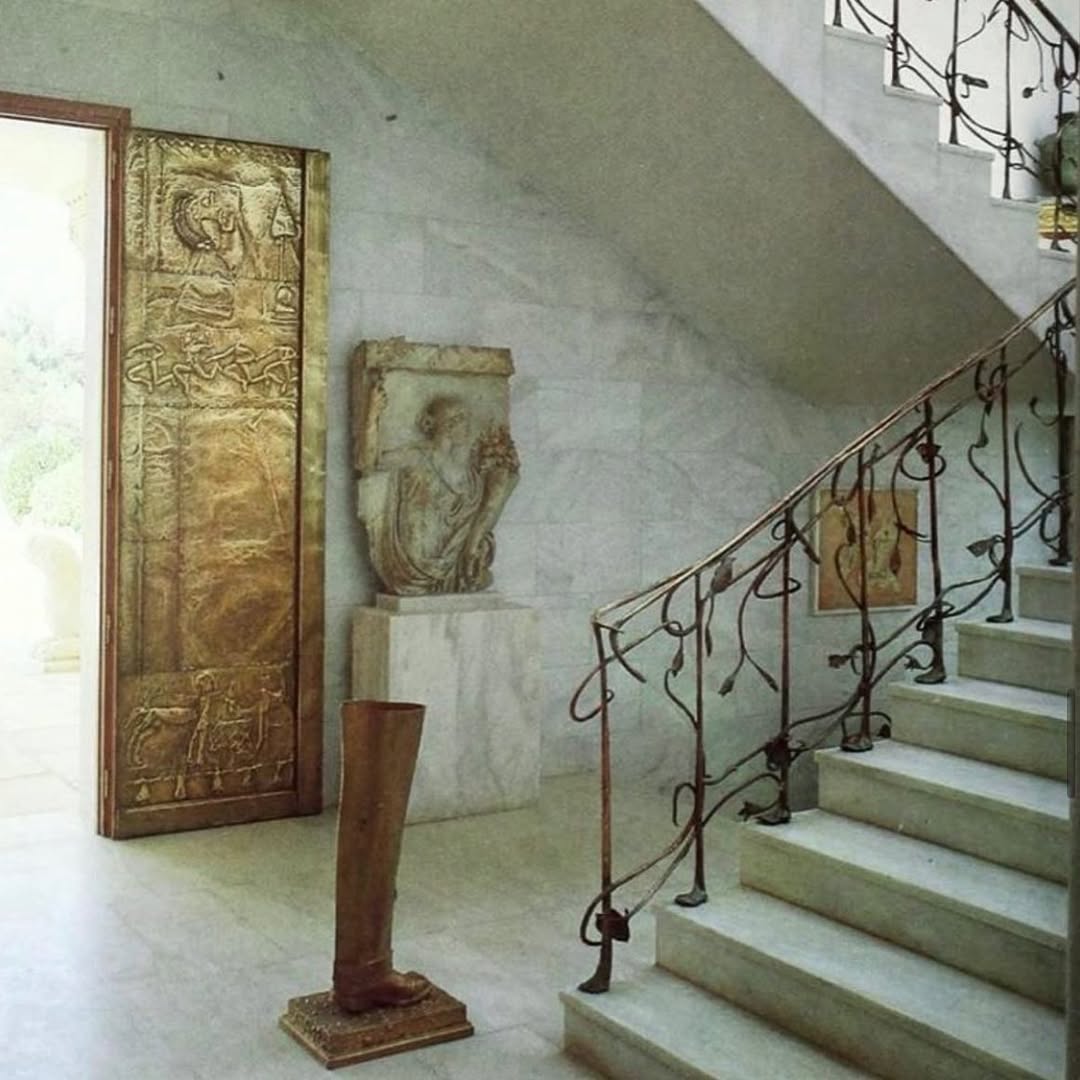
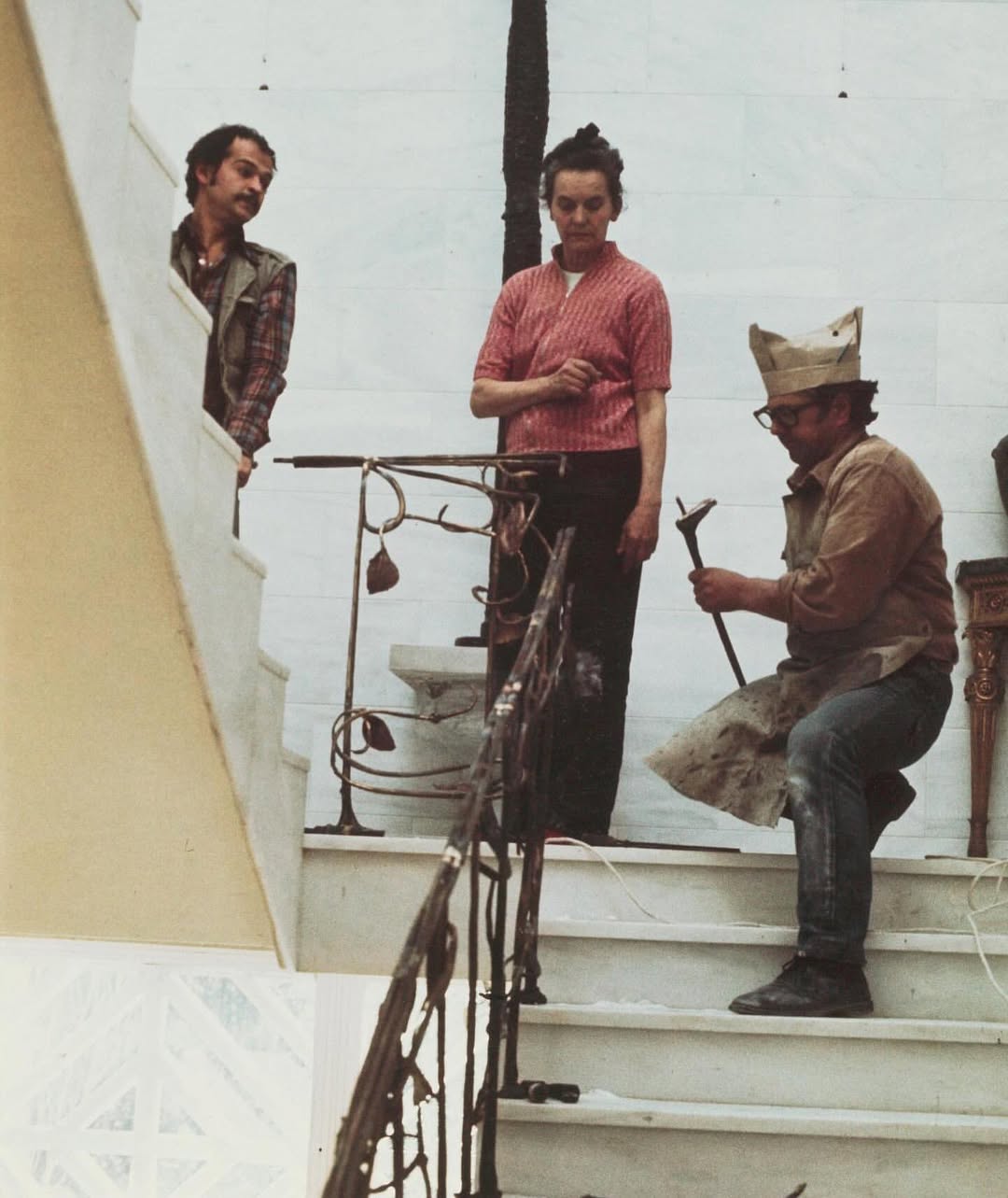
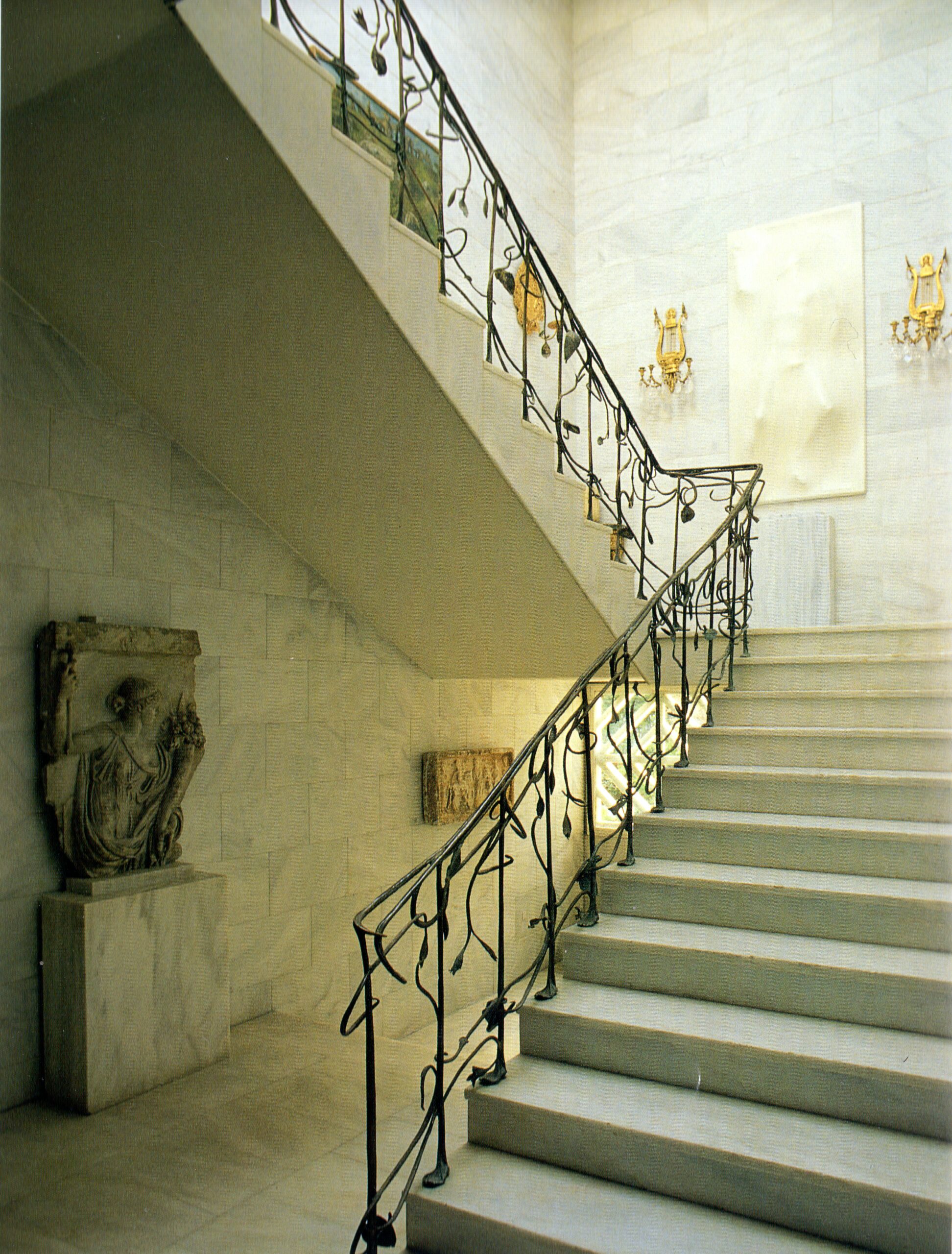
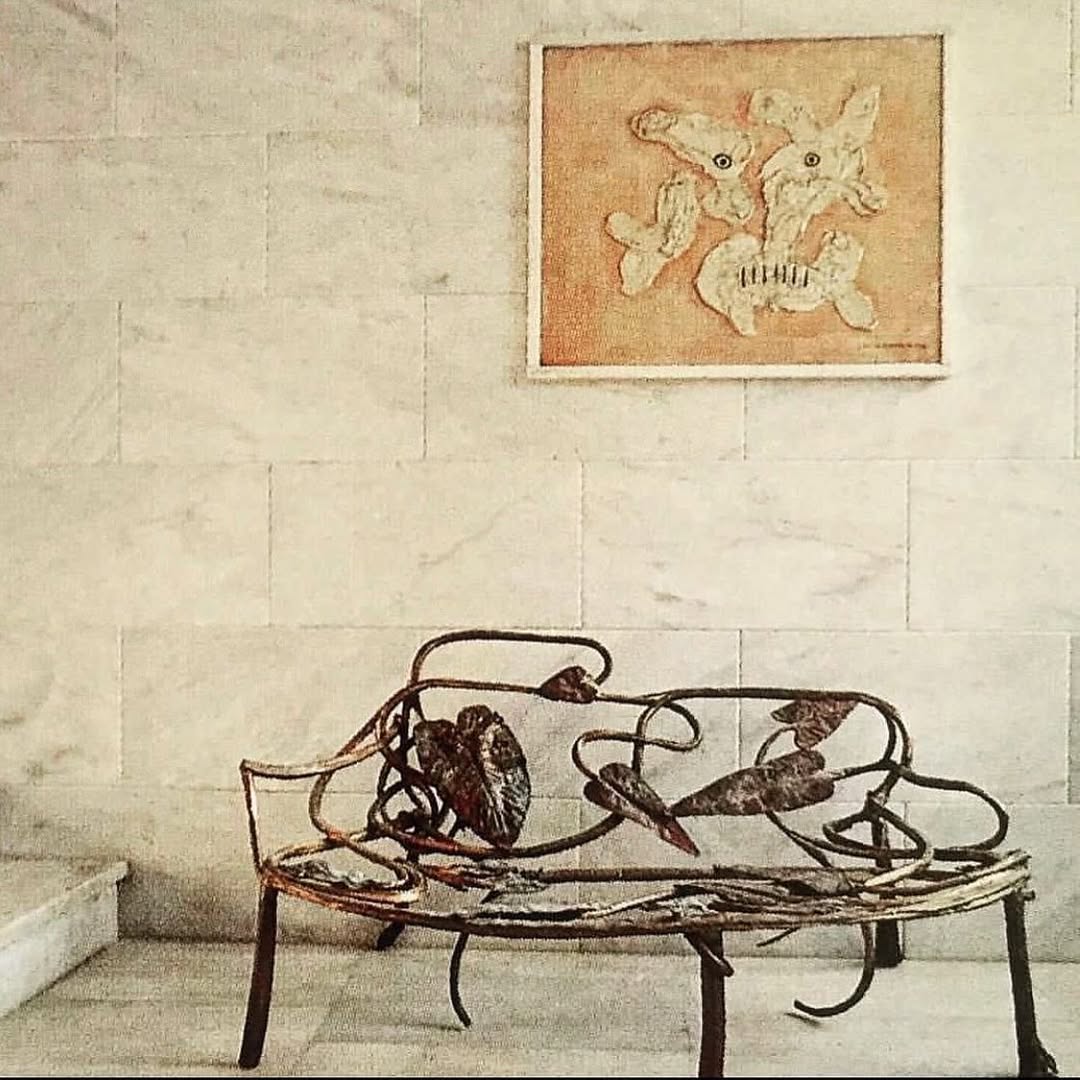
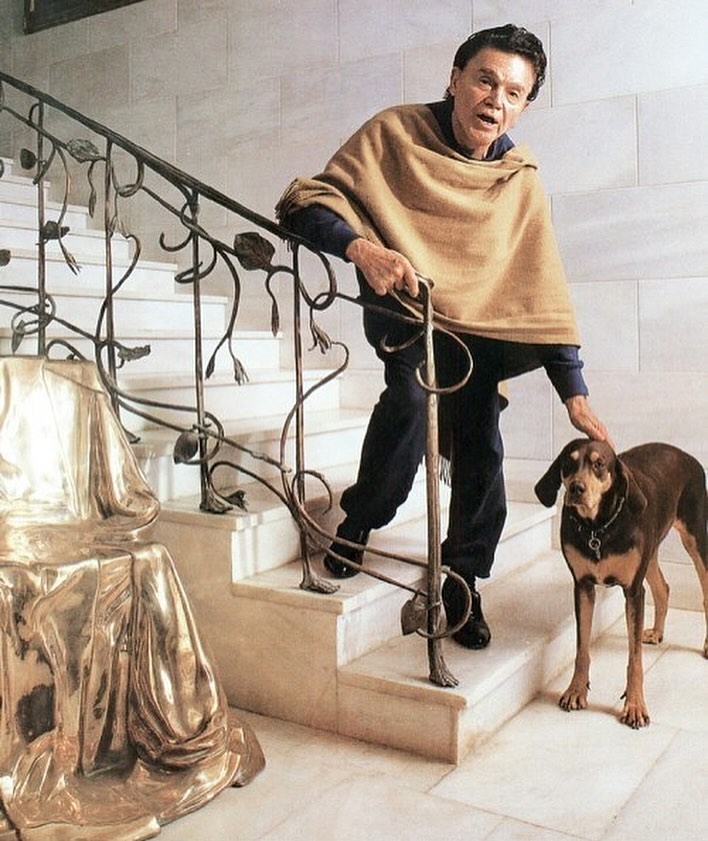
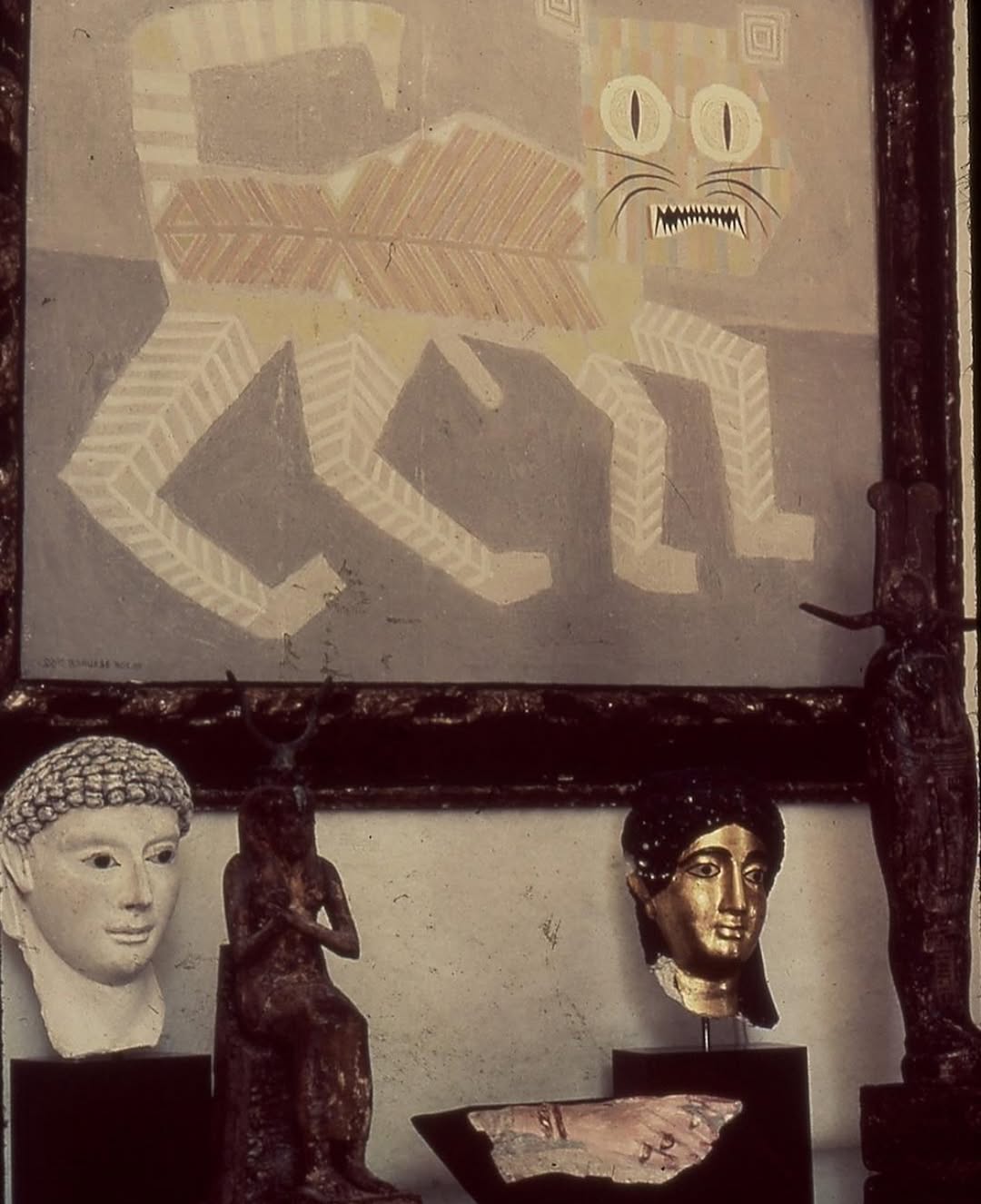
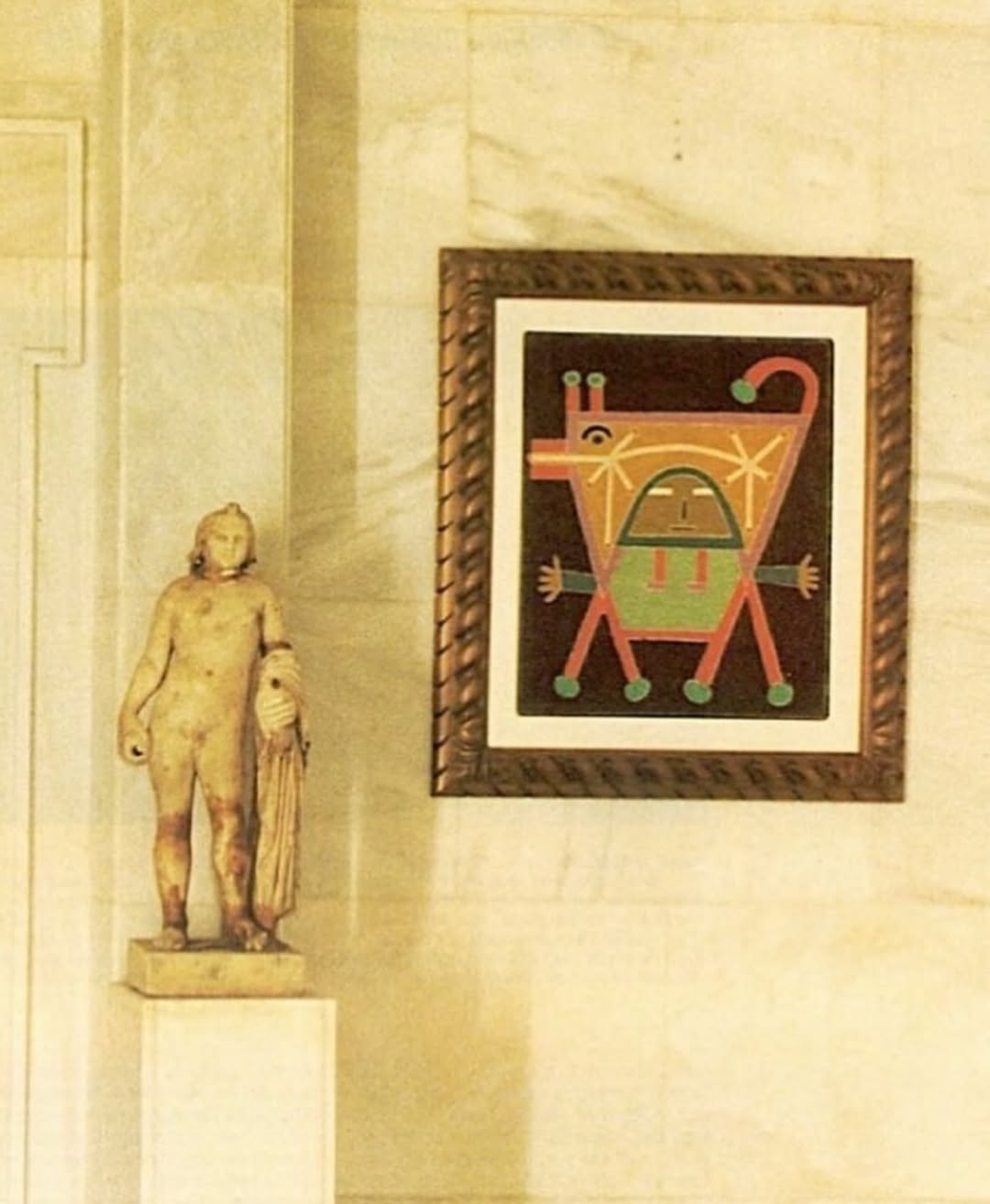
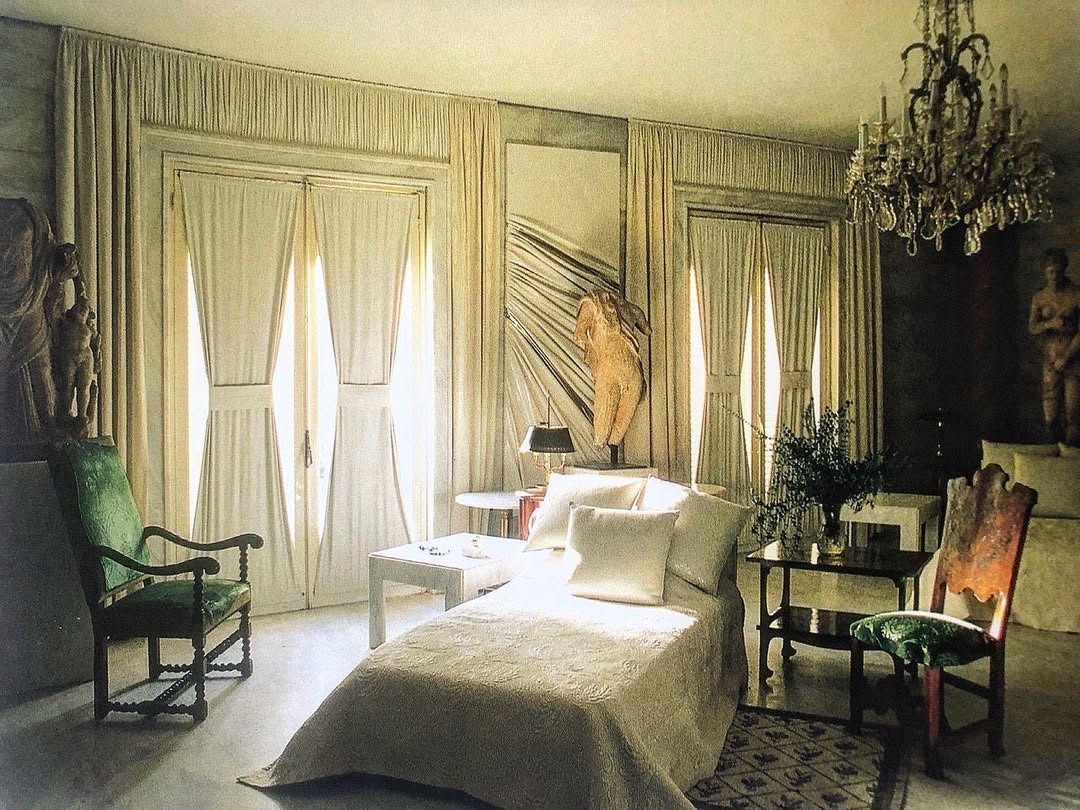
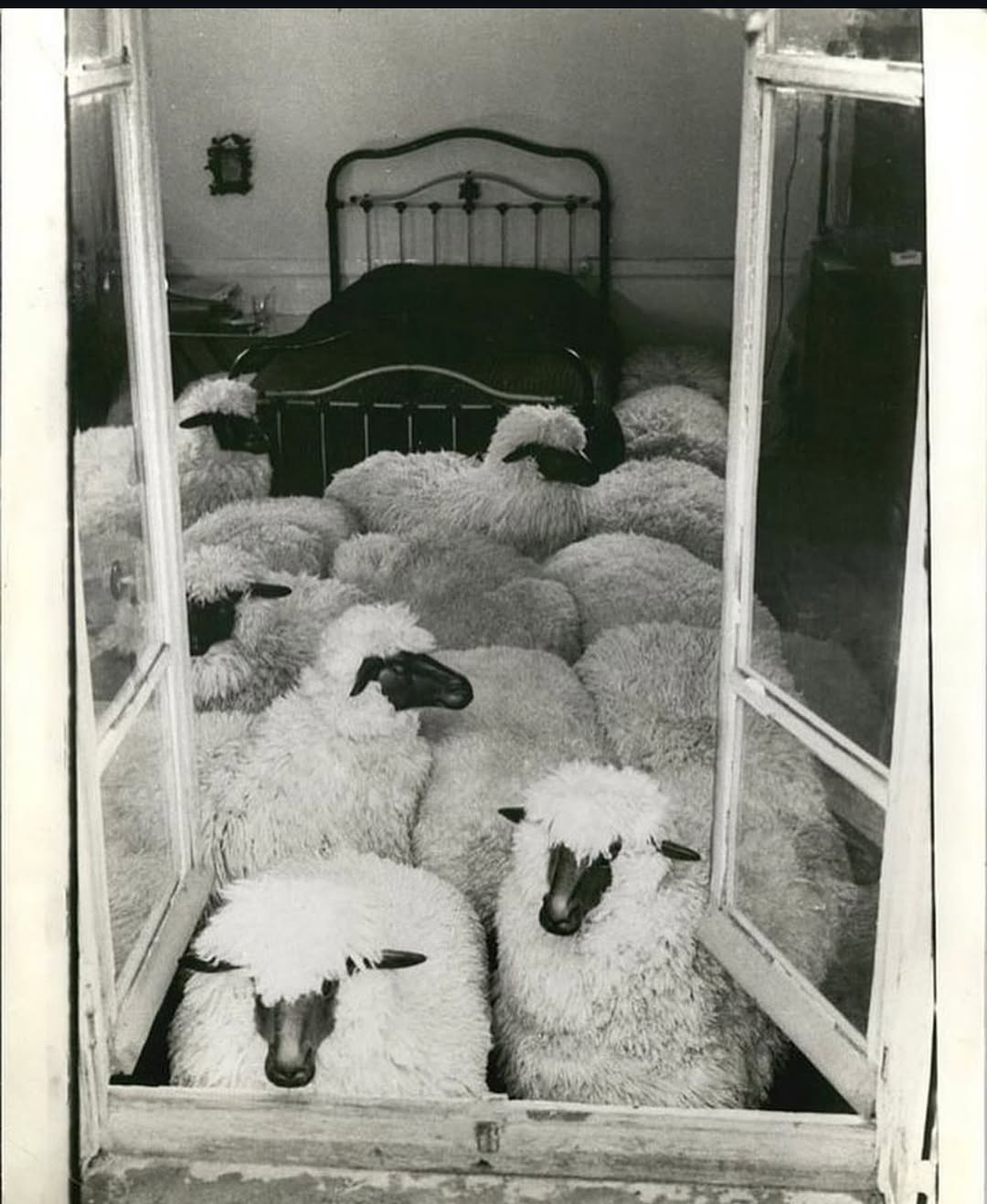
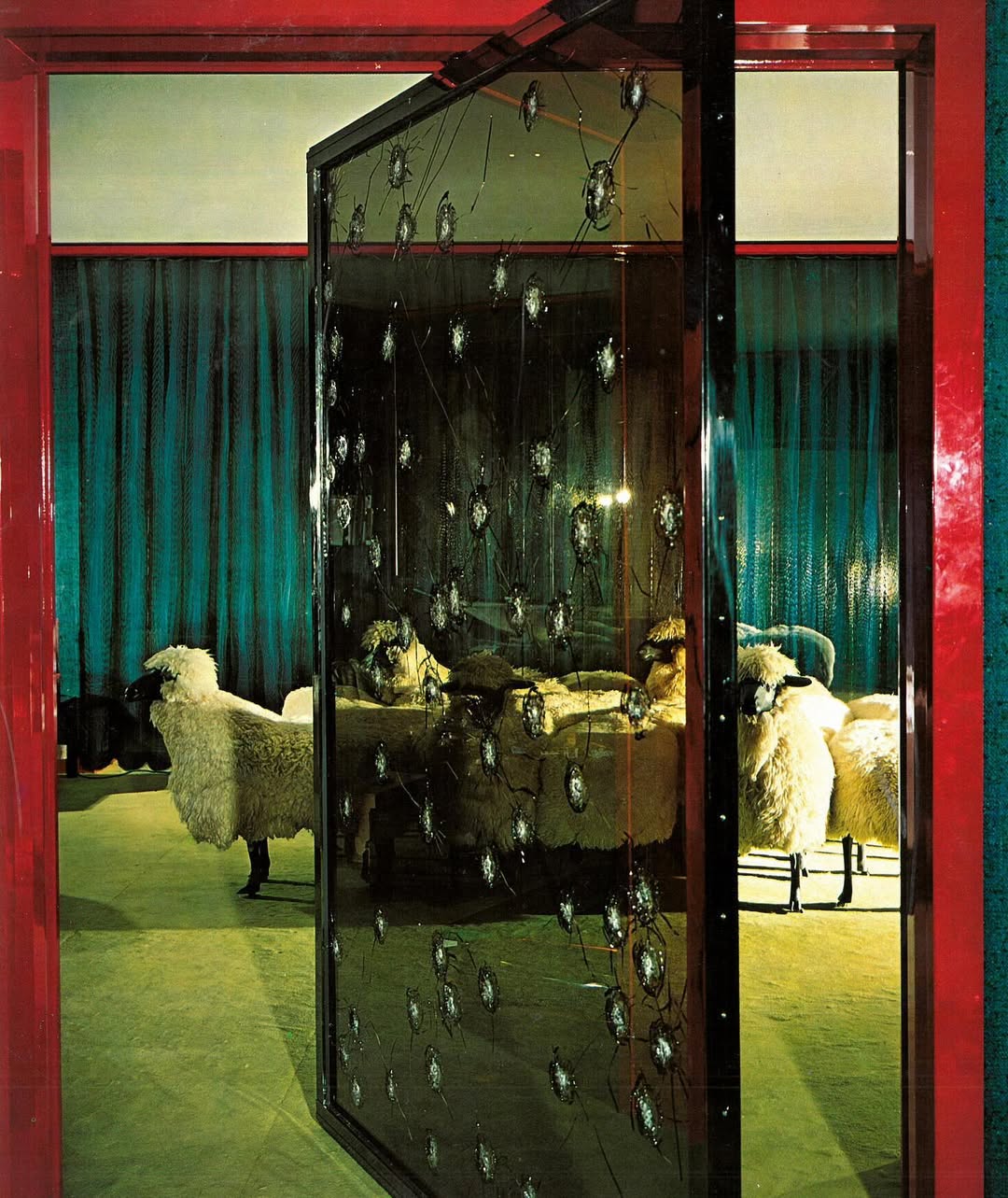
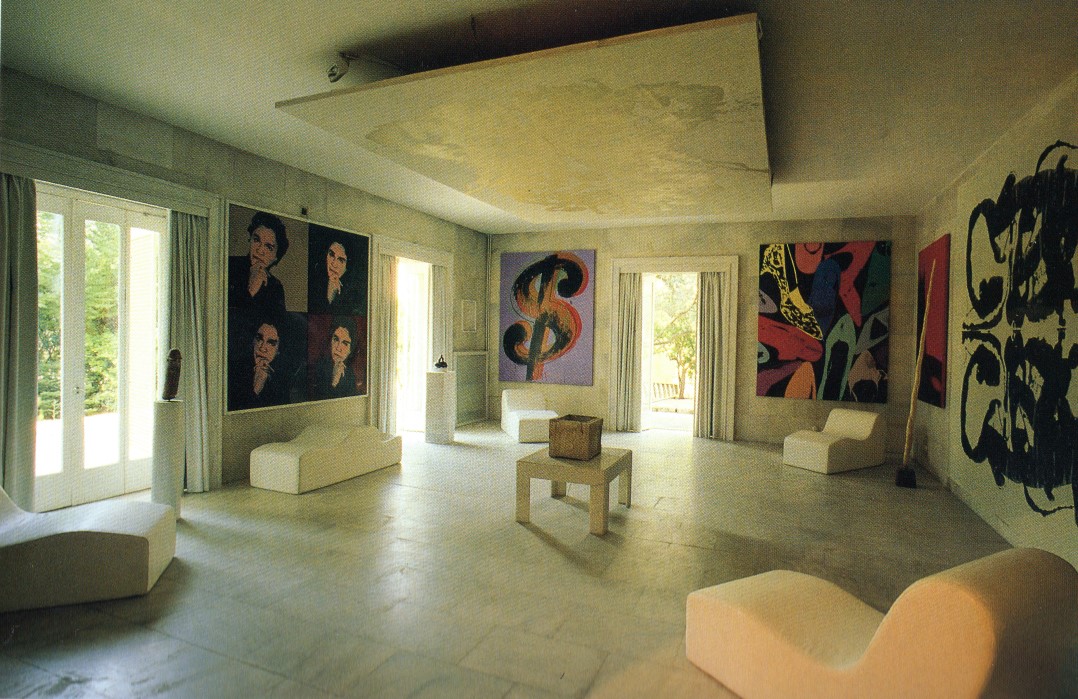
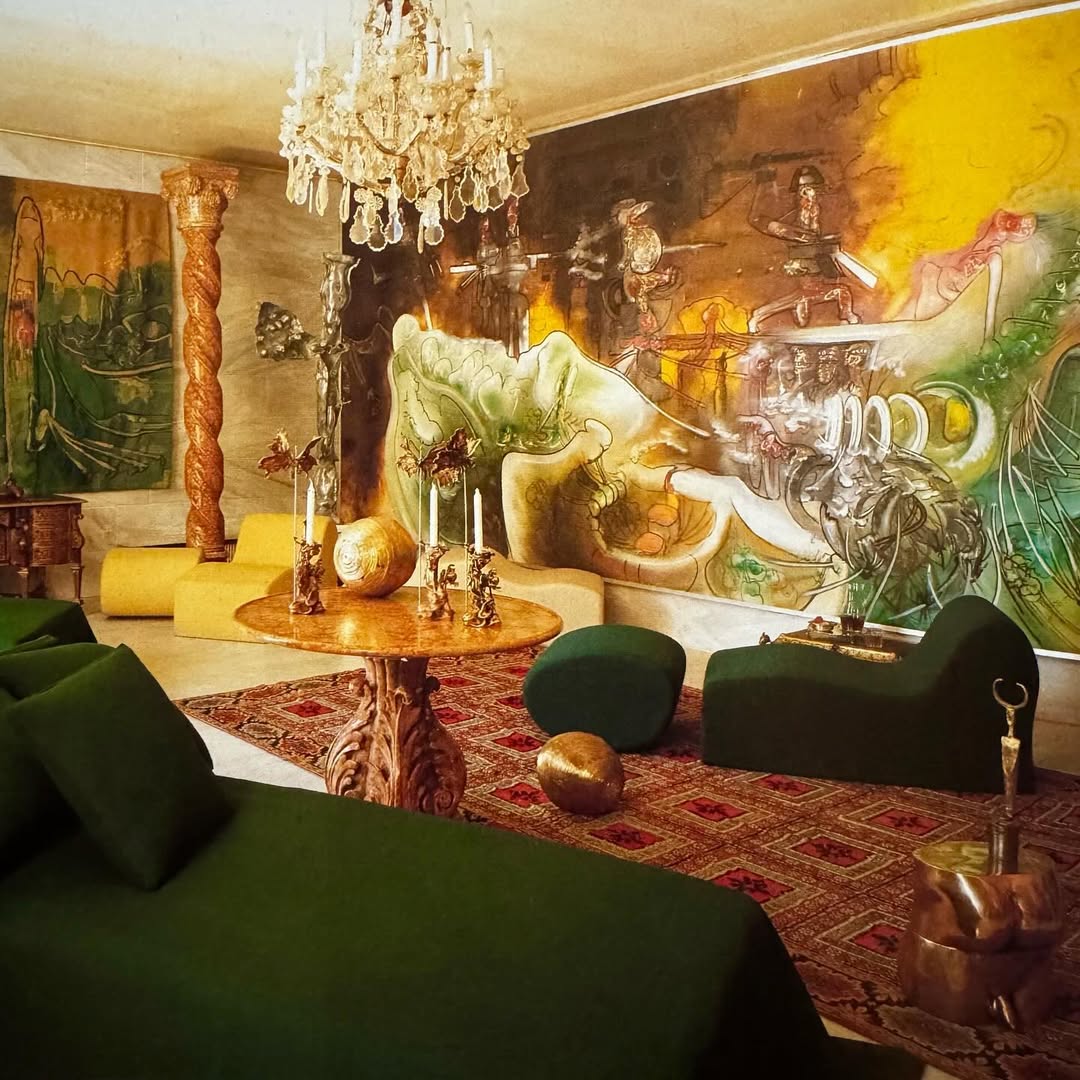
From the 1950s through to the 1970s, Iolas constructed a massive modernist villa on the hills of Agia Paraskevi, outside of Athens. He treated it as a private gallery and installed a gilded bronze and copper stair railing by Les Lalanne. He intended for the house to become a museum, but instead it was looted and became a derelict ruin. [7]
SOURCES
[1] “Bio.” https://iolasofficial.com/bio/
[2] Stathoulis, Nikos. “Alexander Iolas: The Greek Who Shaped 20th-Century Art.” Greece Is. November 7th, 2018
https://www.greece-is.com/alexander-iolas-greek-shaped-20th-century-art/
[3] Pierron, Séverine. “Behind the Scenes of Alexander Iolas: Discoverer of Warhol, Patron of the Pompidou.” Centre Pompidou. September 17, 2025
https://www.centrepompidou.fr/en/pompidou-plus/magazine/article/behind-the-scenes-of-alexander-iolas-discoverer-of-warhol-patron-of-the-pompidou
[4] Fotiadi, Eva. “Alexander Iolas, the Collectors John and Dominique de Menil, and the Promotion of Surrealism in the United States.” Networking Surrealism in the USA: Agents, Artists and the Market. arthistoricum.net, 2020.
https://books.ub.uni-heidelberg.de/arthistoricum/catalog/view/485/736/87199
[5] Baboulias, Yiannis. “The Man Who Discovered Warhol.” Frieze. August 9, 2017.
https://www.frieze.com/article/man-who-discovered-warhol
[6] Beck, Jessica. “Andy Warhol: Sixty Last Suppers.” Gagosian Quarterly. May 1, 2017
https://gagosian.com/quarterly/2017/05/01/andy-warhol-sixty-last-suppers/
[7] Jones, William E. “The lost glamour of historic-art collector Alexander Iolas.” Document Journal. April 18, 2017
https://www.documentjournal.com/2017/04/the-lost-glamour-of-historic-art-collector-alexander-iolas/
Image: Works by Takis and Roberto Matta