The Dealer: Ileana Sonnabend
The Dealer01.07.2026
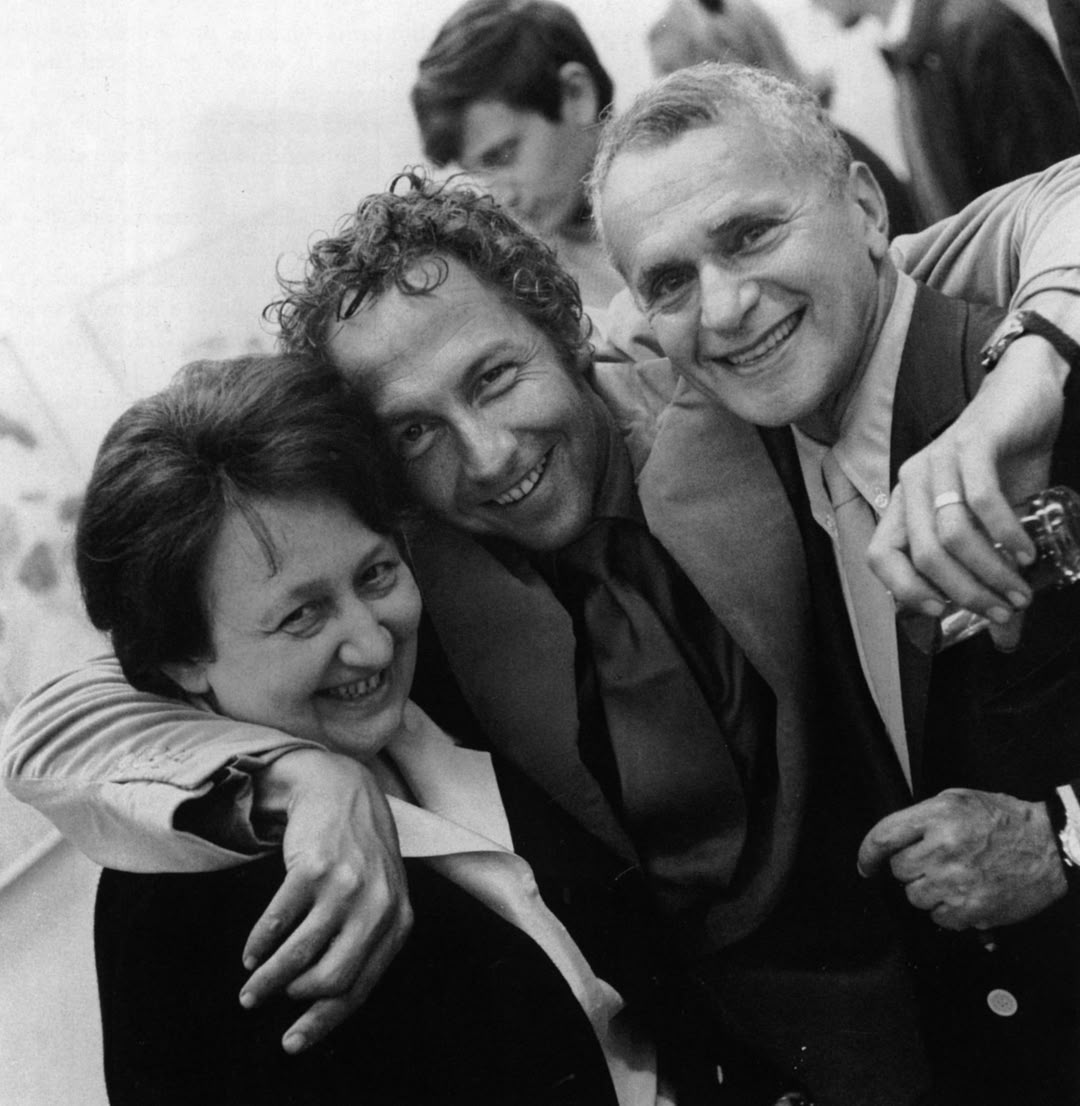
Between her galleries in Paris and New York, Ileana Sonnabend spent four decades moving art and ideas across the Atlantic - introducing European audiences to American Pop and Minimalism, then bringing Arte Povera and German Neo-Expressionism back to New York. The role required a particular kind of eye, one she had been developing since childhood
She was born Ileana Schapira in Bucharest, Romania, on October 28, 1914. The daughter of Mihail Schapira, a prominent Jewish industrialist, she was raised in luxury and “had a governess until I had a fiancé,” as she once said. [1] She was afforded many opportunities to witness art from a young age, recalling visiting the Velázquezes in Vienna and Rubenses in Paris. [2]
Sonnabend met Leo Castelli, a banker who would later reshape the New York gallery world, when she was 17. Initially, he was smitten with her older (and married) sister. “He was not like the others. He was on the move,” Sonnabend would say of Castelli. “He was going to get out of Romania and I was going to get out too, so I married him.” [3] Instead of a ring, Sonnabend requested a work of art, and landed on a Matisse watercolor. The couple and their newborn daughter, Nina, moved to Paris in 1935, where Castelli would open his first gallery with interior designer René Drouin.
After World War II broke out, the Castellis fled to New York. Sonnabend’s parents had purchased a townhouse at 4 East 77th Street, and in 1957, after dealing privately for a decade, Castelli opened an eponymous gallery in his living room. Sonnabend shared Castelli’s interest in contemporary art, and they visited artists' studios together, among them Robert Rauschenberg and Jasper Johns. “Ileana takes more pleasure in art and artists than Leo does,” Johns would say. “I don’t think Leo really likes works of art in that way—he likes to sell art.” [1] Sonnabend purchased works by both emerging talents and remained particularly supportive of Rauschenberg. “Ileana is a kind, tough person who fluctuates between a silly little girl and an iron marshmallow,” he once said. [4]
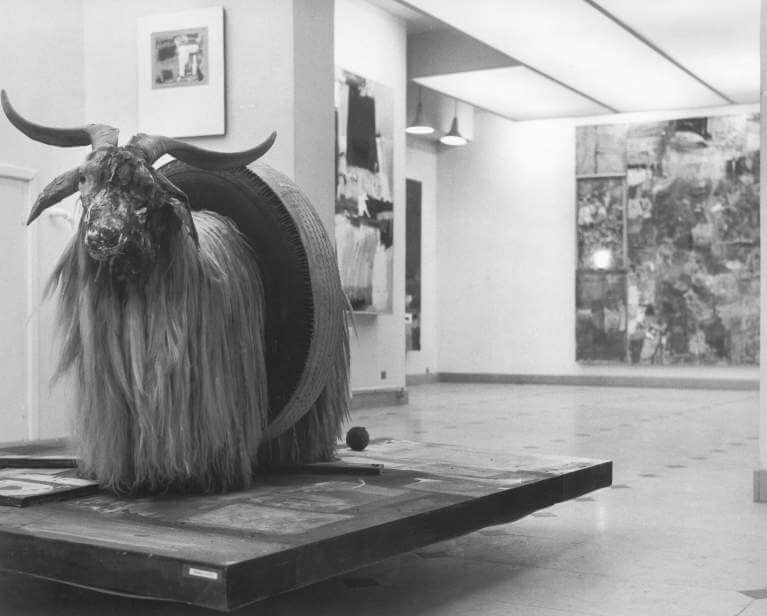
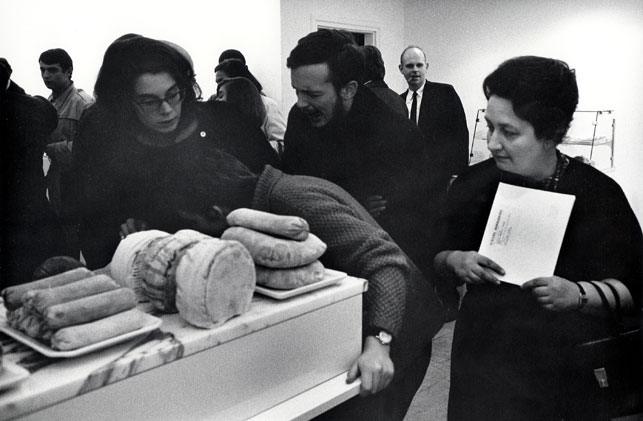
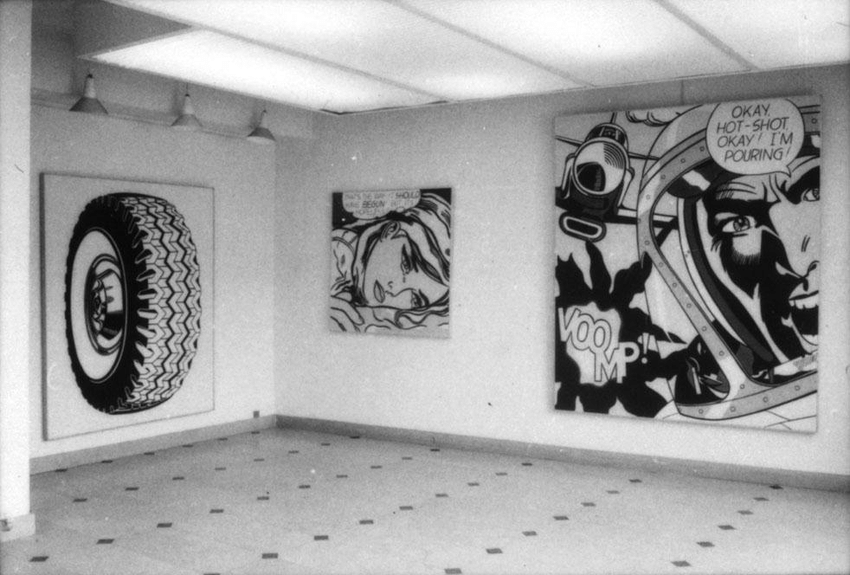
Sonnabend divorced Castelli in 1959 and married Michael Sonnabend, whom she had met while taking classes at Columbia in the 1940s, the following year. The couple moved to Europe with the intention of organizing shows of American artists in Rome. When that venture proved too costly, the couple opened the Parisian Galerie Ileana Sonnabend in 1962. Johns was the inaugural show, to the consternation of the Parisian old guard, who were skeptical of the Pop and Minimalist artists Sonnabend would exhibit. This included Castelli artists like Rauschenberg and Lichtenstein, as well as Claes Oldenburg, James Rosenquist, George Segal, and Jim Dine.
Michael could often be found engaging patrons in philosophical discussions while Ileana ran the gallery. In the late ’60s, they hired a Portuguese student named Antonio Homem as gallery director. “At the gallery, it was Michael who gave the initiative, and Ileana who acted,” Homem said. “That's the way their relationship works.” [1] The Sonnabends would formally adopt Homem in the late 1980s.
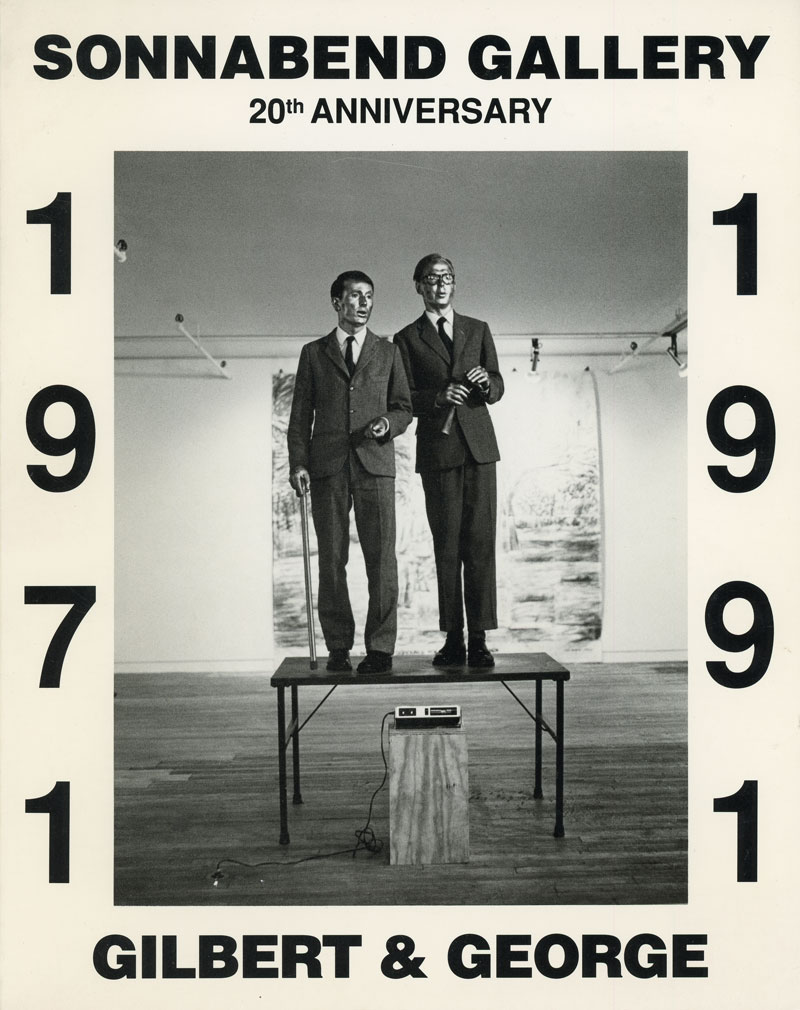
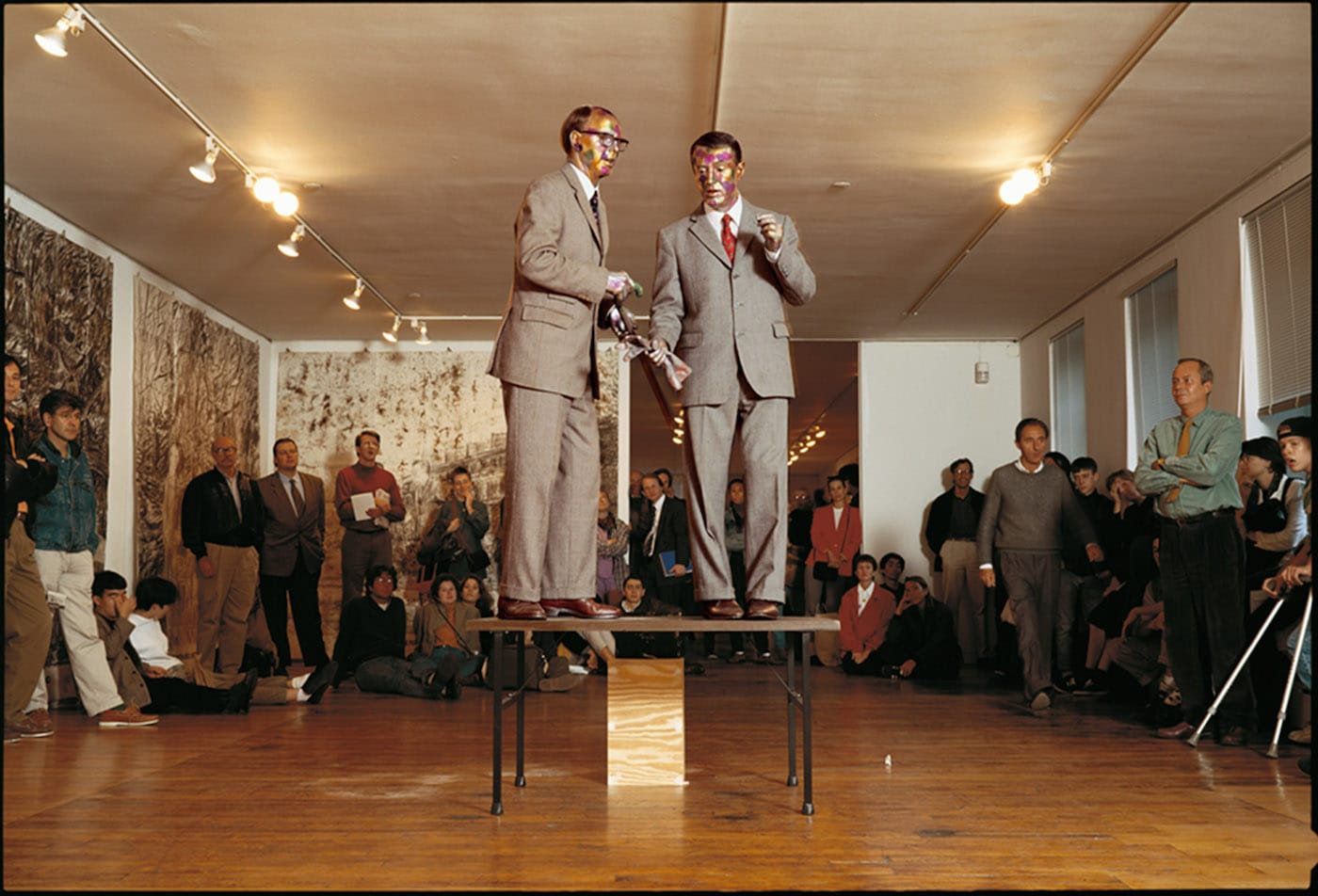
The Paris gallery remained open until 1980, but the couple returned to New York and opened a gallery at 924 Madison Avenue, showing photography and Art Deco furniture. [5] Her gallery at 420 West Broadway opened in 1971 and was among the earliest in SoHo. It was one floor apart from Castelli’s, and the two would often lunch and occasionally present joint exhibitions until Castelli died in 1998. At the opening of the Sonnabend space, the British duo Gilbert & George performed their painted vaudeville act, “Singing Sculpture,” for hours on end. [6]
If her Parisian gallery introduced American artwork to European audiences, her New York spaces did the opposite, presenting Arte Povera artists and the conceptual photographers Bernd and Hilla Becher. During the ’80s, Sonnabend gave New York debuts to the German painters A. R. Penck, Jörg Immendorf and Georg Baselitz. “I showed these people because I wanted to keep people informed about what was going on elsewhere,” she said.
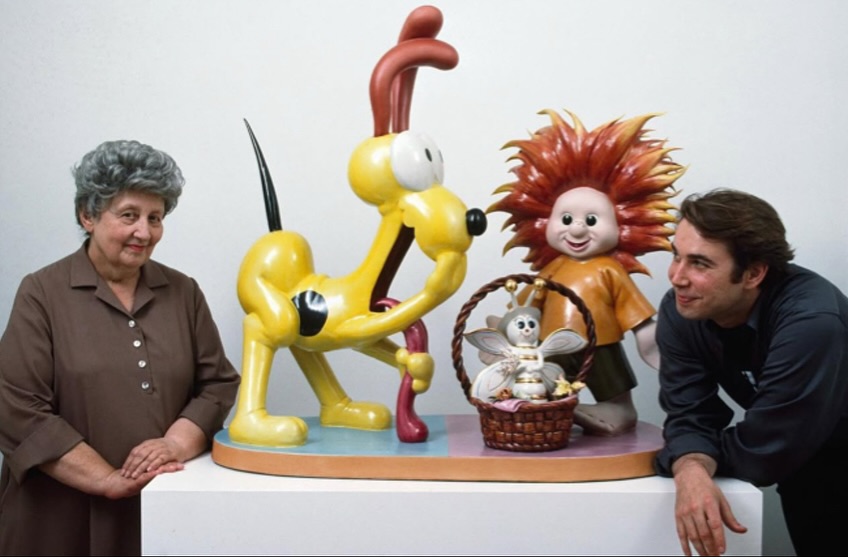
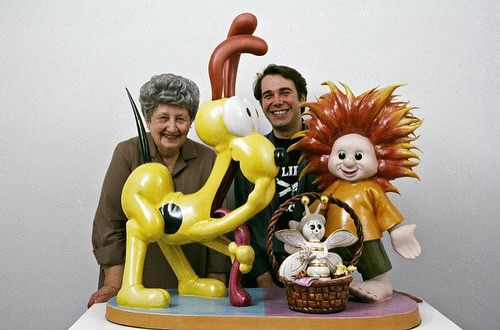
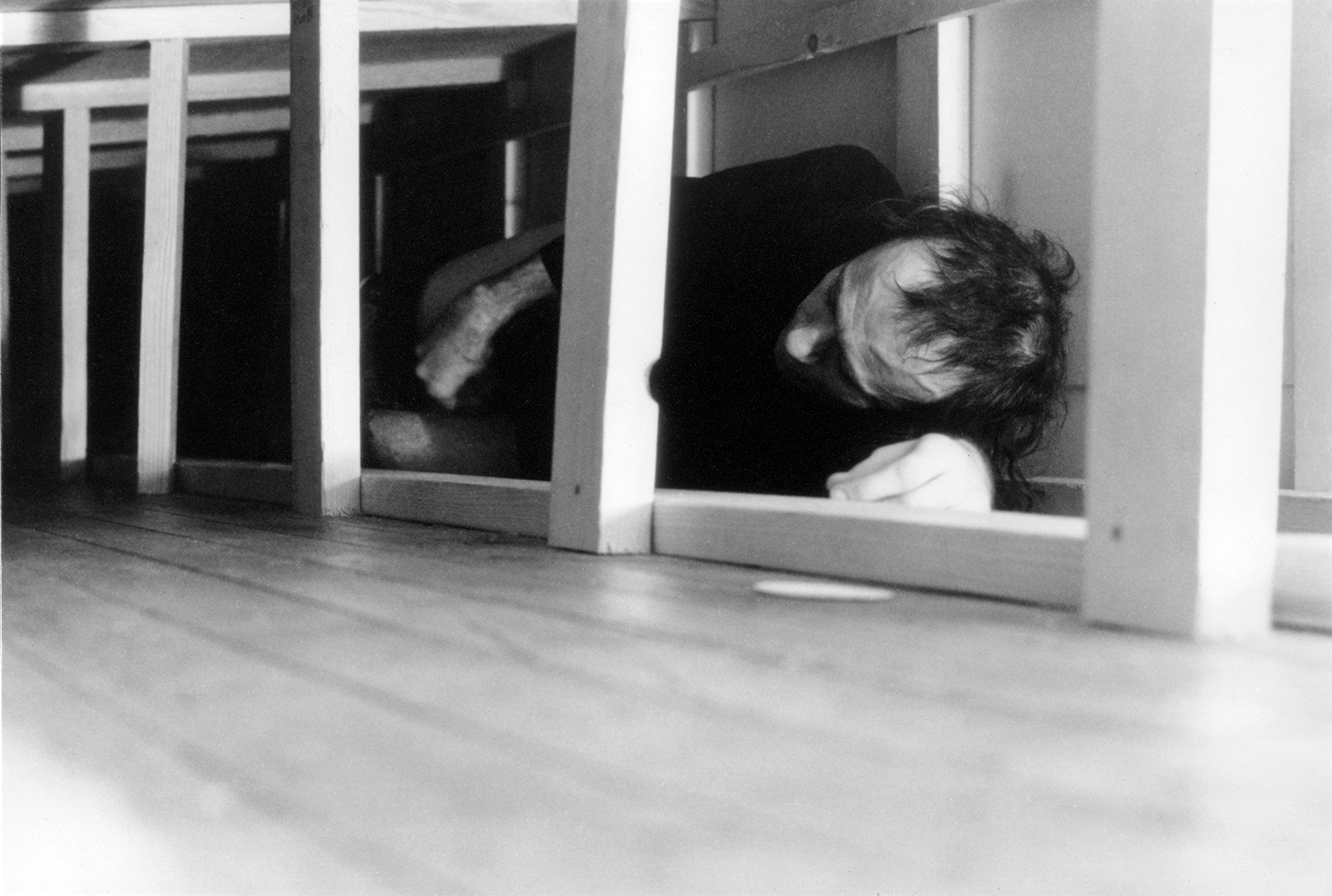
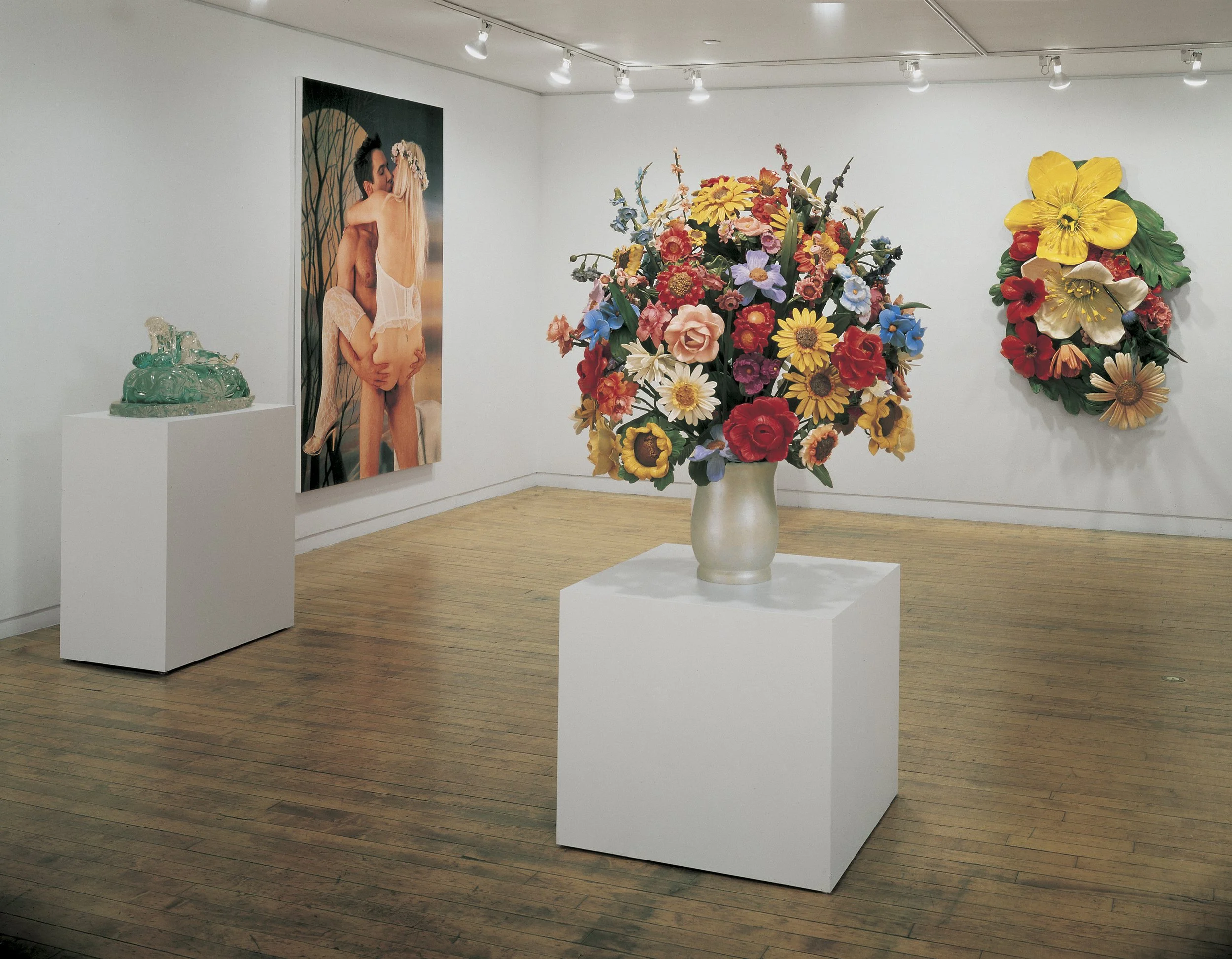
Sonnabend gravitated towards audacious works of art. “Asked once what motivated her as a dealer and a collector, Ileana answered, ‘Curiosity and greed,’” Calvin Tomkins wrote in the New Yorker. [1] Vito Acconci made his debut at the gallery in 1972 with “Seedbed,” in which the sounds of the artist masturbating beneath a ramped false floor were projected over a loudspeaker. In 1991, she presented Jeff Koons’s “Made in Heaven” series, which showed the artist engaged in sexual acts with his wife.
She presented early or first New York exhibitions of Post-Minimalists like Mel Bochner, Barry Le Va, William Wegman, and John Baldessari. The gallery embraced a new moment in art when Sonnabend took on Neo-Geo artists like Ashley Bickerton, Peter Halley, and Koons.
Like many other galleries, Sonnabend decamped to Chelsea in the early 2000s. Before she died in 2007 at the age of 92, Sonnabend spoke about the enormous art collection she had amassed, one she kept mostly in storage. “I’m particularly interested in works that are by now ‘classical’ and still keep their provocation,” she said of her collecting philosophy. [7]
In 2008, Sonnabend’s estate sold some $600 million worth of paintings and sculptures (including Koons’ 1986 work “Rabbit,” valued at over $80 million) in two private sales. [8] Works by Rauschenberg, Johns, Warhol, and more were sold at Christie’s in 2015. [9] Of particular interest is the case of “Canyon,” a 1959 Combine work by Rauschenberg incorporating a taxidermied eagle, which meant that it legally could not be sold. [10] The work was donated to the Museum of Modern Art in 2012, where it remains on view.
SOURCES
[1] Tomkins, Calvin. “An Eye for the New.” The New Yorker. January 10, 2000
https://www.newyorker.com/magazine/2000/01/17/an-eye-for-the-new
[2] Oral History Program, interview with Ileana Sonnabend, April 10, 1997. The Museum of Modern Art Archives, New York.
https://www.moma.org/momaorg/shared/pdfs/docs/learn/archives/transcript_sonnabend.pdf
[3] Pincus-Witten, Robert. “Ileana Sonnabend.” Artforum. January, 2008. https://www.artforum.com/columns/ileana-sonnabend-3-187097/
[4] Taylor, Paul. “Soho’s Avant Guardian.” Connoisseur. September 1991. https://archive.org/details/connoisseur221222seplond/page/n23/mode/2up
[5] Reif, Rita. “Artistry in Enamel or Crushed Tinfoil.” The New York Times. December 18, 1971 https://www.nytimes.com/1971/12/18/archives/artistry-in-enamel-or-crushed-tinfoil-a-showcase-for-faure-a.html
[6] Glueck, Grace. “4 Uptown Art Dealers Set Up in SoHo.” The New York Times. September 27, 1971
https://www.nytimes.com/1971/09/27/archives/4-uptown-art-dealers-set-up-in-soho.html
[7] Loos, Ted. “A Dealer's Own Hoard Brought Into the Light.” The New York Times. June 30, 2002
https://www.nytimes.com/2002/06/30/arts/art-architecture-a-dealer-s-own-hoard-brought-into-the-light.html
[8] Vogel, Carol. “A Colossal Private Sale by the Heirs of a Dealer.” The New York Times. April 4, 2008 https://www.nytimes.com/2008/04/04/arts/design/04voge.html
[9] Kinsella, Eileen. “Christie’s To Auction Ileana Sonnabend Collection.” Artnet. April 15, 2015 https://news.artnet.com/market/ileana-sonnabend-collection-christies-auction-288383
[10] Cohen, Patricia. “MoMA Gains Treasure That Met Also Coveted.” The New York Times. November 28, 2012
https://www.nytimes.com/2012/11/28/arts/design/moma-gains-treasure-that-metropolitan-museum-of-art-also-coveted.html
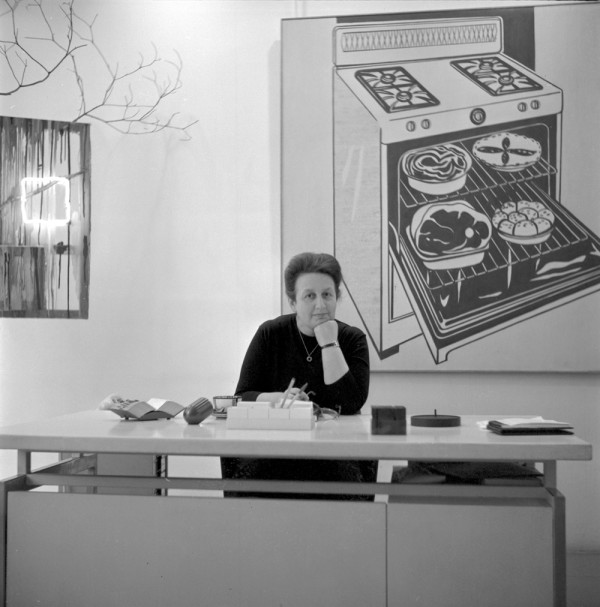
Image: Ileana Sonnabend at her desk at Galerie Ileana Sonnabend in Paris, circa 1965. Photo courtesy of Sonnabend Gallery, New York